
International Women's Day Spotlight: How Birgitte and Andrea Herskind Are Building a Fashion House Through Craft
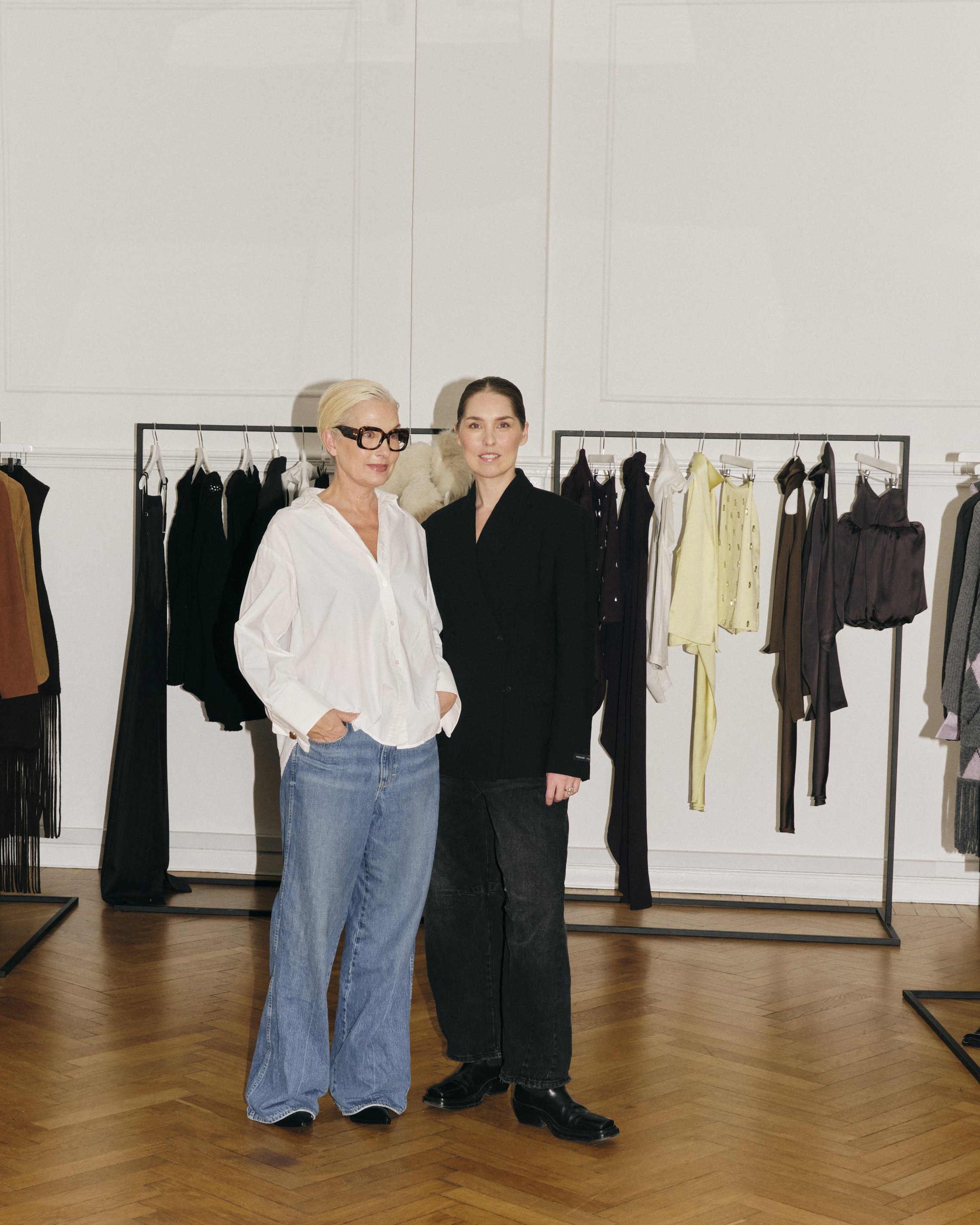
At a moment when many fashion brands frame their stories through succession or generational handovers, Danish brand HERSKIND offers a quieter model of legacy for women in collaboration. What began as a label founded in 2018 by Birgitte Herskind, has evolved into a fashion house shaped alongside her daughter, Andrea Herskind—not through inheritance, but through years of working side by side.
The result is a brand built on dialogue, and Scandinavian design. A point of view between perspectives, experiences, and generations.
“Our relationship naturally brings both continuity and contrast into the brand,” Andrea explains. “HERSKIND was founded by my mother, so the DNA of the brand is deeply rooted in her original vision of confident, effortless femininity.”
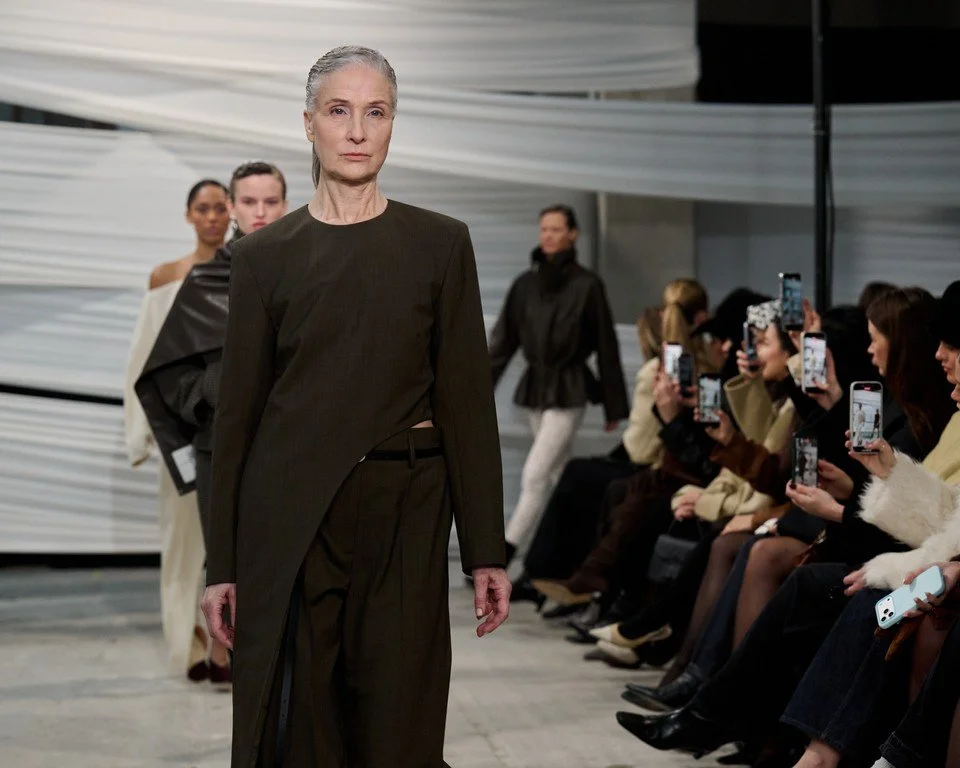
HERSKIND A/W ‘26 CPHFW
The presence of two generations within the same company has created a rhythm that is less about preservation and more about evolution.
“Working together as mother and daughter means that the brand constantly moves between heritage and evolution,” she continues. “We share the same intuitive understanding of the HERSKIND woman, but we also approach her from different life stages and experiences. That dialogue keeps the brand grounded while allowing it to grow organically. In many ways, HERSKIND is a conversation between generations.”
In an industry that often romanticizes legacy, Birgitte sees the brand’s story as something more active.
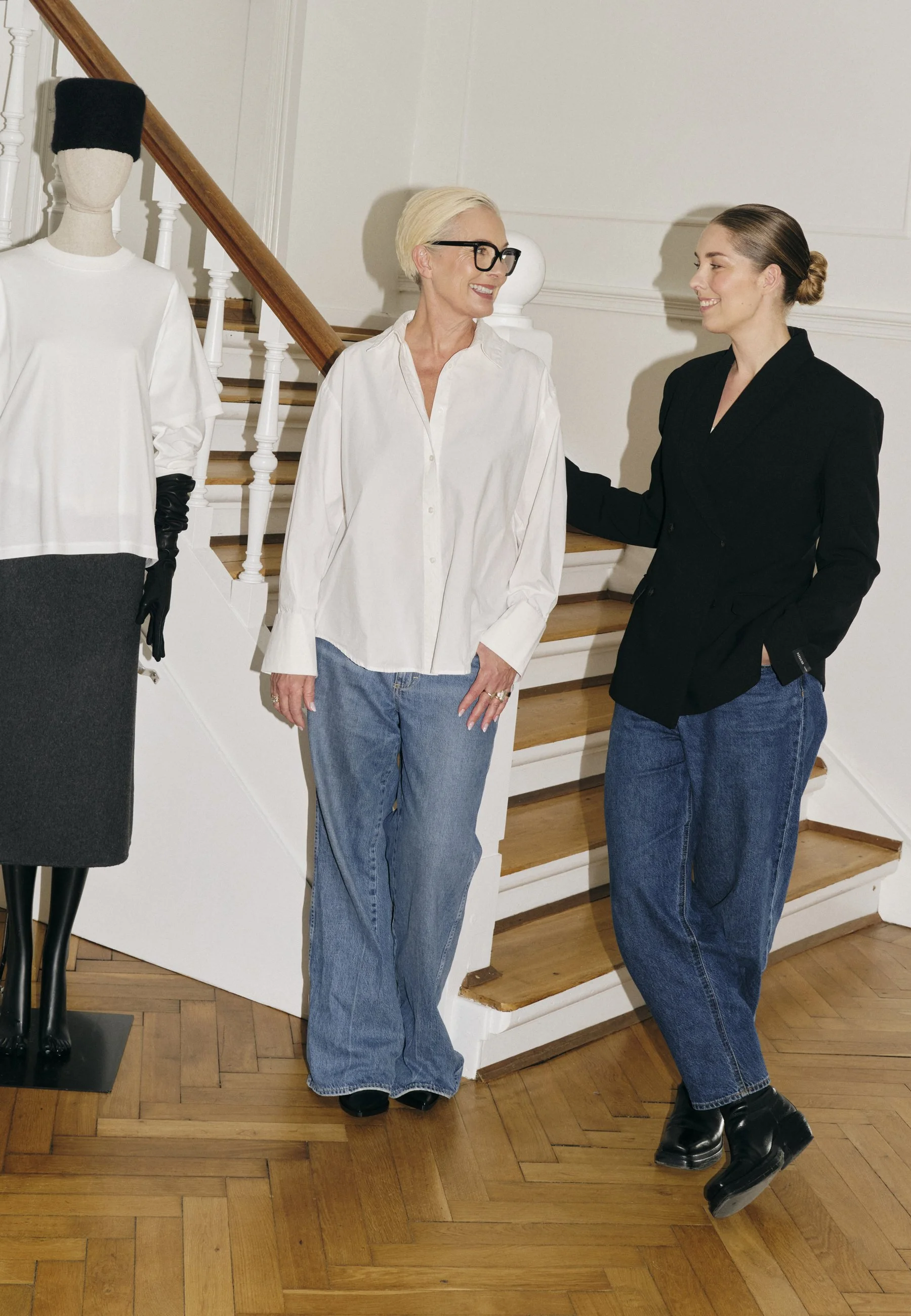
Image by Alexander Höllsberg
“While I founded HERSKIND, the brand as people know it today has really been built together,” Birgitte says. “Andrea joined very early on, and from the beginning we naturally divided our roles—my focus being design and product, while Andrea shaped the brand identity and how it communicates with the world.”
That division of responsibilities created a structure where both voices could lead.
“So rather than a traditional legacy story where one generation hands something over to the next, HERSKIND has evolved as a collaboration between us,” Birgitte continues. “That dynamic has allowed the brand to grow with both continuity and new perspective at the same time. Fashion often talks about legacy as something inherited, but for us it has been something we’ve actively built side by side.”
For Andrea, joining the company early meant the brand was something she helped construct.
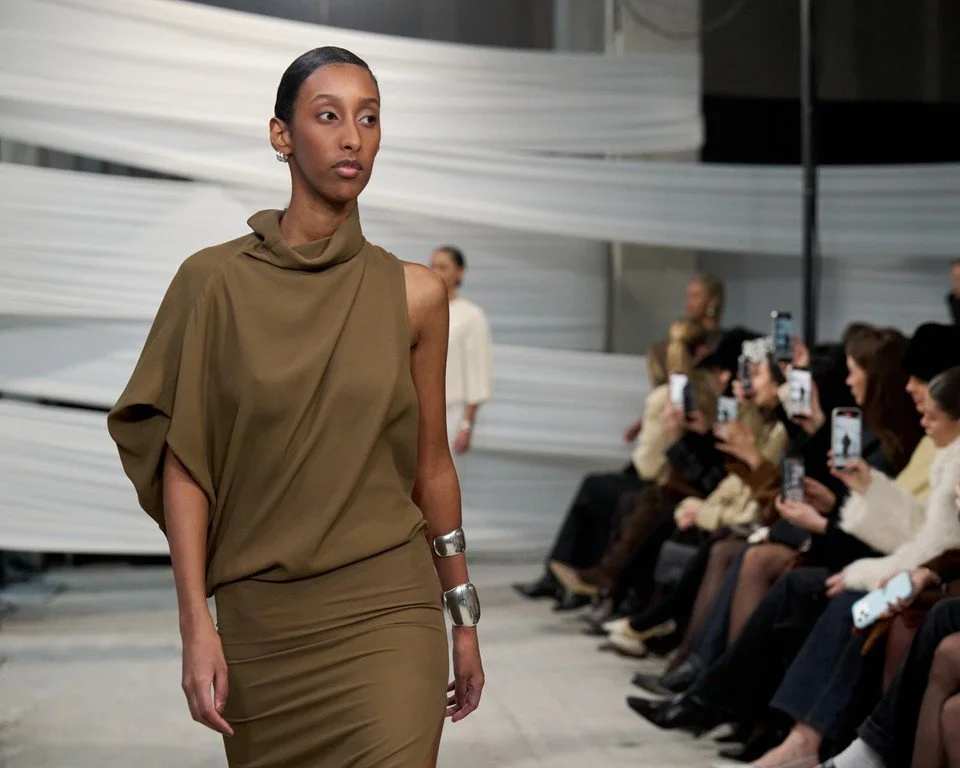
HERSKIND A/W ‘26 CPHFW
“Because I joined the brand so early, the process has never really felt like stepping into something that already existed—it has always been something we were building together,” she says. “My mother established the creative foundation through her design vision, and from the beginning my role became shaping the brand universe around it—how the collections are positioned, communicated, and understood.”
“The core aesthetic and values come from my mother’s design language, while I focus on translating that vision into a broader brand identity that resonates with women today,” she adds. “In that sense, the evolution of HERSKIND has always been a dialogue between us.”
That structure—clear roles, mutual trust—has also shaped how the two work creatively.
“To be honest, we rarely have real creative conflicts,” Andrea says. “From early on we naturally developed very clear roles within the company. Birgitte focuses on the design and product, while I work more with the brand direction and how the collections are communicated and positioned. Because of that, we have a deep respect for each other’s areas of expertise.”
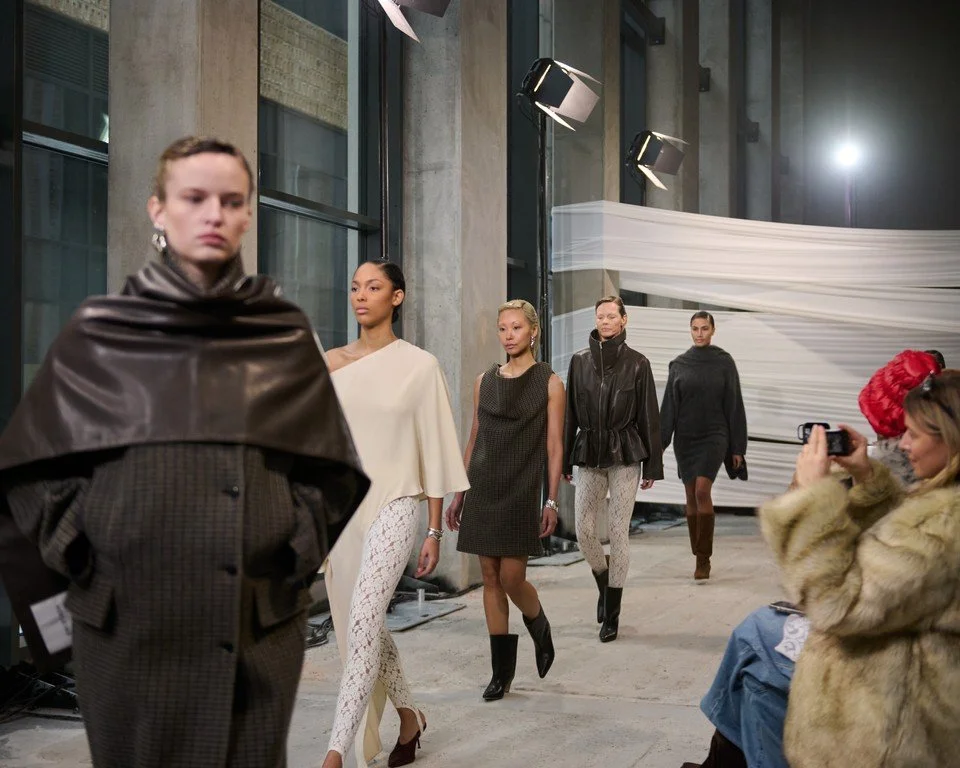
HERSKIND A/W ‘26 CPHFW
“If a discussion does arise, it usually resolves itself quite quickly because we trust each other’s instincts. There’s no need to push an argument very far,” she continues. “That trust allows the creative process to stay very fluid. Instead of debating endlessly, we move forward and focus on making the collection stronger as a whole.”
The two also share a remarkably aligned perspective on the woman they design for.
“We actually share a very similar understanding of what makes a woman strong and interesting,” Andrea explains. “For us, the HERSKIND woman is someone who is cool in a very grounded way. She has confidence, but it’s quiet. She knows who she is and doesn’t feel the need to prove it.”
Still, their generational differences offer new vantage points that help the brand connect across audiences.
“Where our generational perspectives become interesting is in how we approach that woman from different stages of life,” she says. “We naturally bring different references, experiences, and ways of seeing the world, and that allows the brand to speak to women across generations.”
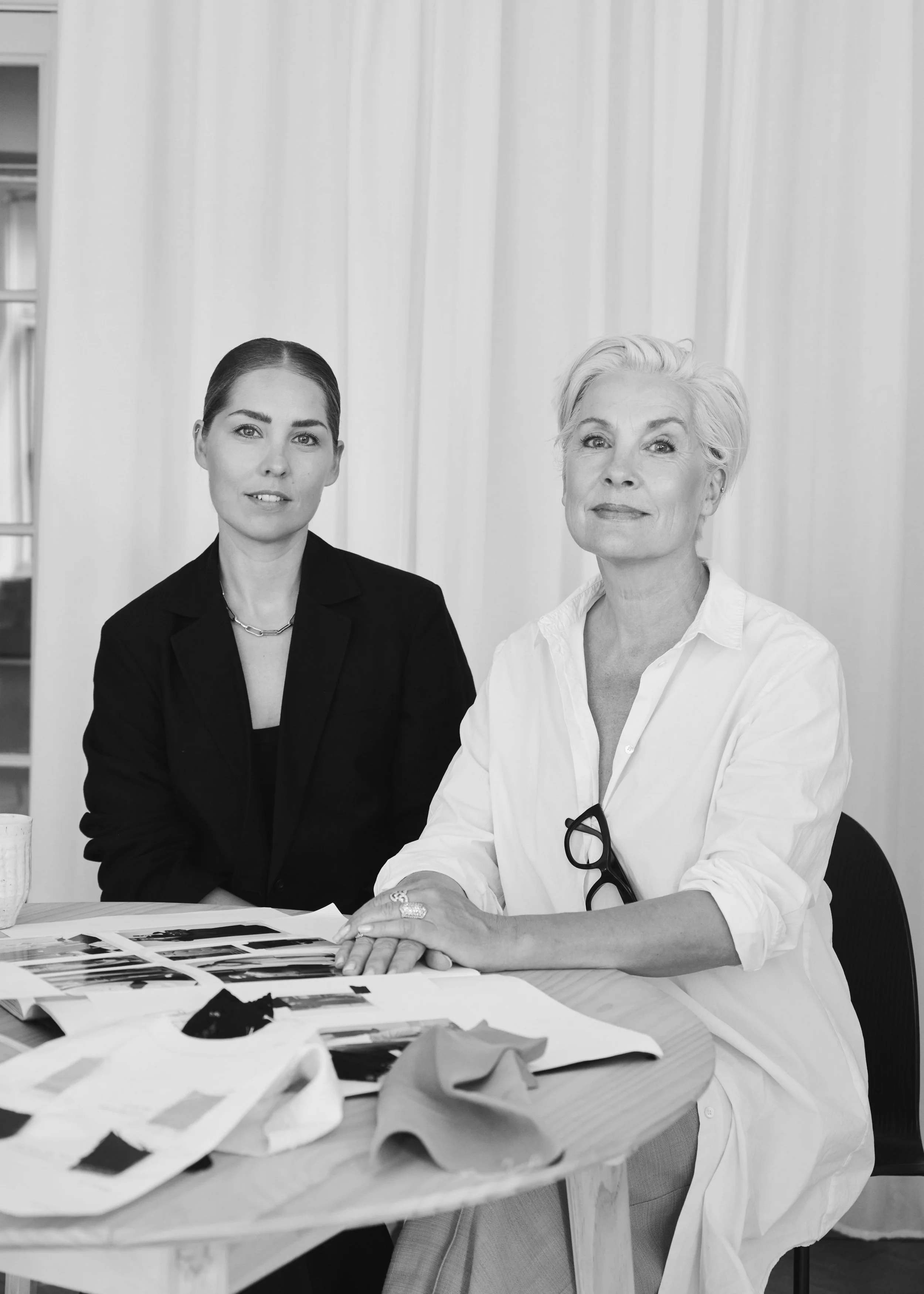
Image by Kavian Borhani
Their design instincts mirror that balance. “We align very naturally around the core of the product—tailoring, proportions, and the idea that clothes should feel effortless and strong at the same time,” Andrea notes.
“Where we differ is in perspective. Birgitte approaches design very much from the garment itself—fabric, construction, and fit. I tend to look at it through the lens of the brand: the attitude, the styling, and how the collection is experienced visually.”
“That difference actually creates a healthy balance between product and universe.” The same alignment carries through to how they think about clothing itself—particularly as women designing for other women.
“Being a women-led brand gives us a very intuitive understanding of how clothes should function in real life,” Andrea says. “Birgitte approaches this very much through the design process itself—working closely with fabrics, developing materials, and shaping the tailoring and proportions so the garments move naturally with the body. Comfort and ease are always an important part of that foundation.”
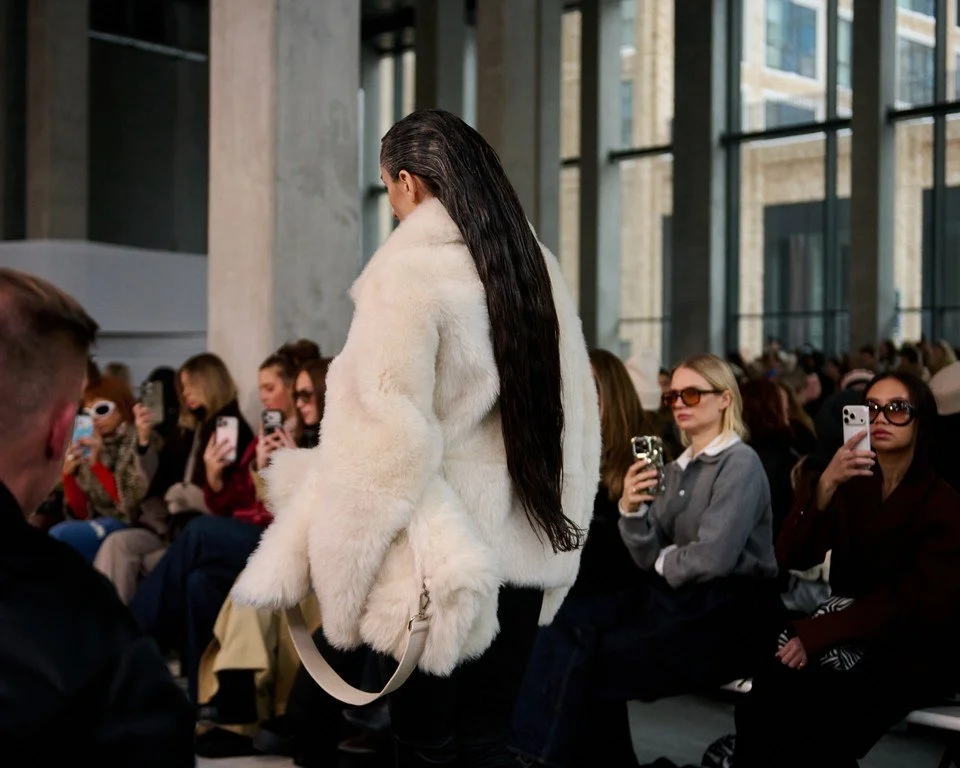
HERSKIND A/W ‘26 CPHFW
“My role sits more around the brand universe—how the collections are communicated through imagery, campaigns, and storytelling—but that same understanding of women guides how we present the pieces,” Andrea adds. “Ultimately, everything comes back to how women feel in the clothes. The goal is always confidence, ease, and a sense of effortlessness.”
Underpinning all of this is a shared commitment to craft.
“Quality has always been non-negotiable for us,” Andrea says. “Working with European production and Italian fabrics allows us to maintain a level of craftsmanship that reflects how we believe clothes should be made.”
“For both of us, details matter,” she continues. “A garment should feel considered from the fabric to the cut to the final finish. That standard is something we share very strongly.”
As the brand continues to grow internationally, the Herskinds are careful about how that growth unfolds.
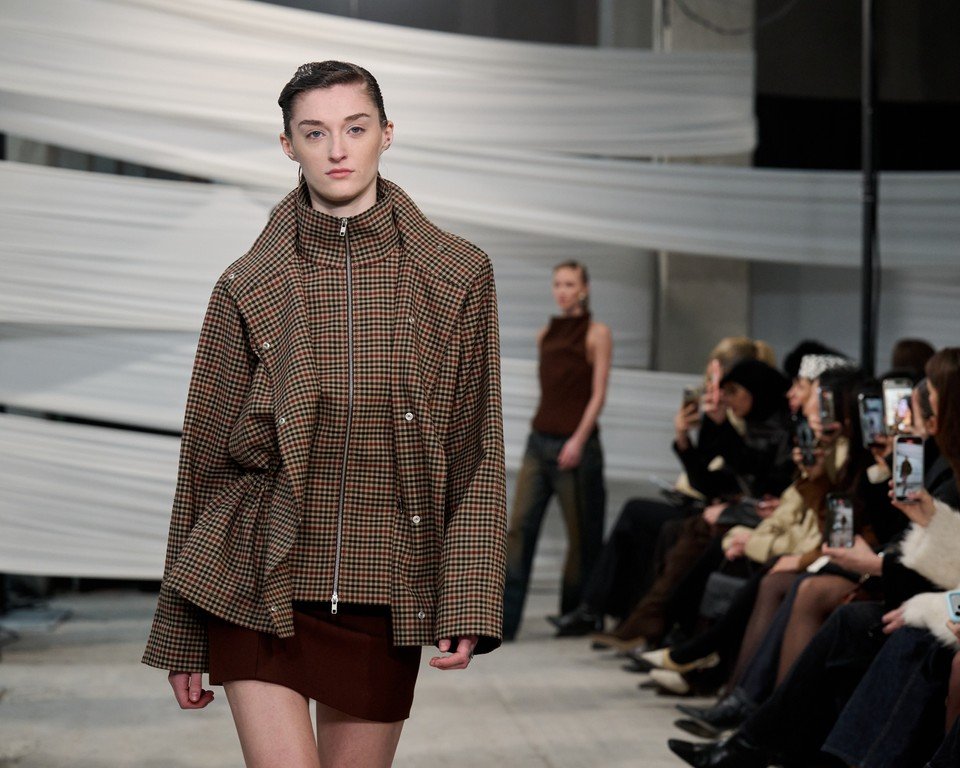
HERSKIND A/W ‘26 CPHFW
“We try to grow in a very conscious way,” Andrea explains. “The fashion industry moves extremely fast, but we believe brands build longevity through clarity rather than constant expansion.”
“That means focusing on strong collections, maintaining quality, and making sure that growth never compromises the identity of the brand.”
Today, the company still operates through the same partnership that shaped its early years.
“We each lead different parts of the company,” Andrea says. “Birgitte oversees design and product development—everything from fabrics and materials to the construction of the garments. I focus on the brand side of the business, shaping how the collections are communicated through campaigns, imagery, and storytelling.”
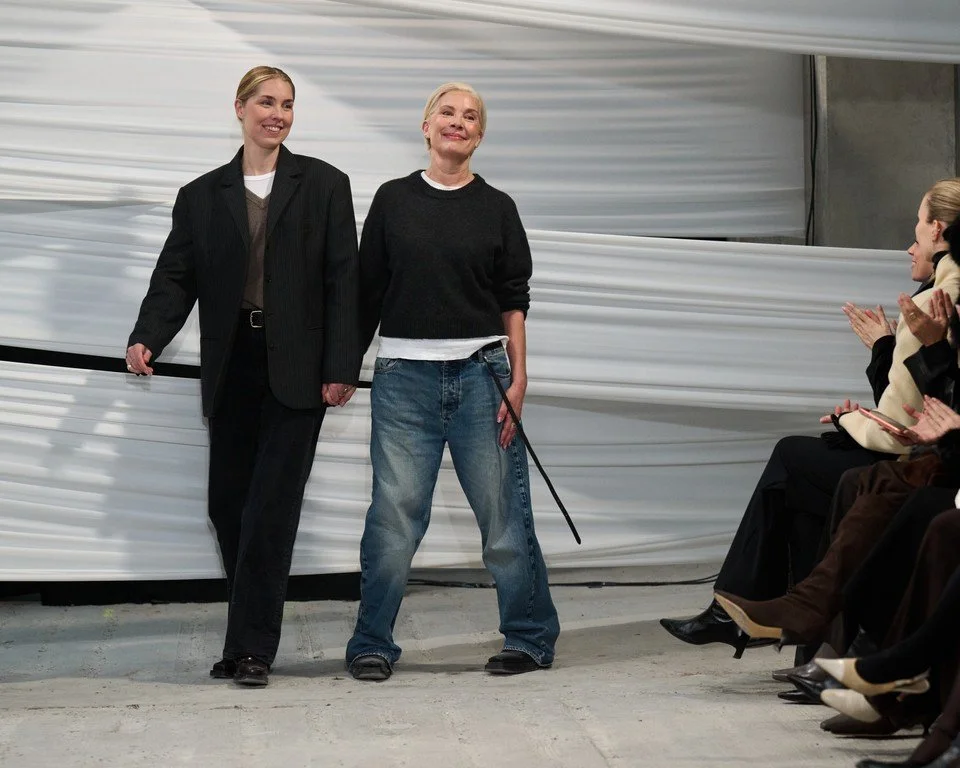
HERSKIND A/W ‘26 CPHFW
“While we each run our own areas, we come together to define the overall direction of the company. That shared dialogue is very important to us.”
If fashion houses are often defined by singular creative voices, HERSKIND suggests another possibility of a brand built through conversation. One where design and storytelling, experience and perspective, move forward together—generation by generation.
See Fall/Winter 2026 runway:
HOW DO YOU FEEL ABOUT FASHION?
COMMENT OR TAKE OUR PAGE READER SURVEY
Featured

For years, buying glasses has meant choosing between two compromises: frames that look good but cost as much as a weekend away, or budget pairs that feel like an afterthought on your face.