
How Barış Köroğlu Is Reframing Menswear Through the Lens of Access, Not Excess
PAGE
By PAGE Editor
In New York, style has always functioned as a silent credential. Long before introductions are made or reservations confirmed, the way a man presents himself determines how a room receives him. It’s a language spoken fluently across downtown dining rooms, private members’ clubs, and the velvet-lined thresholds that define the city’s nightlife economy. Few understand that language more intimately than Barış Köroğlu.
As the operator behind Aquarelle in the East Village and Dejavu in the West Village, Köroğlu has spent nearly a decade observing men in their most performative—and revealing—moments. Night after night, he has watched how style succeeds, where it falters, and more critically, how often it overcomplicates itself.
His conclusion is both simple and quietly radical: modern menswear doesn’t suffer from a lack of options, but from an excess of them.
That insight becomes the foundation of Barış, his debut capsule collection—a tightly edited wardrobe system designed to eliminate friction and elevate presence. Rather than chasing seasonal relevance, Köroğlu’s approach is rooted in permanence: garments that function as reliable anchors across contexts, from early evening meetings to late-night tables where proximity equals opportunity.
“I see the full spectrum of men’s style every night,” Köroğlu explains. “What works is never about doing more—it’s about doing the right things, precisely.”
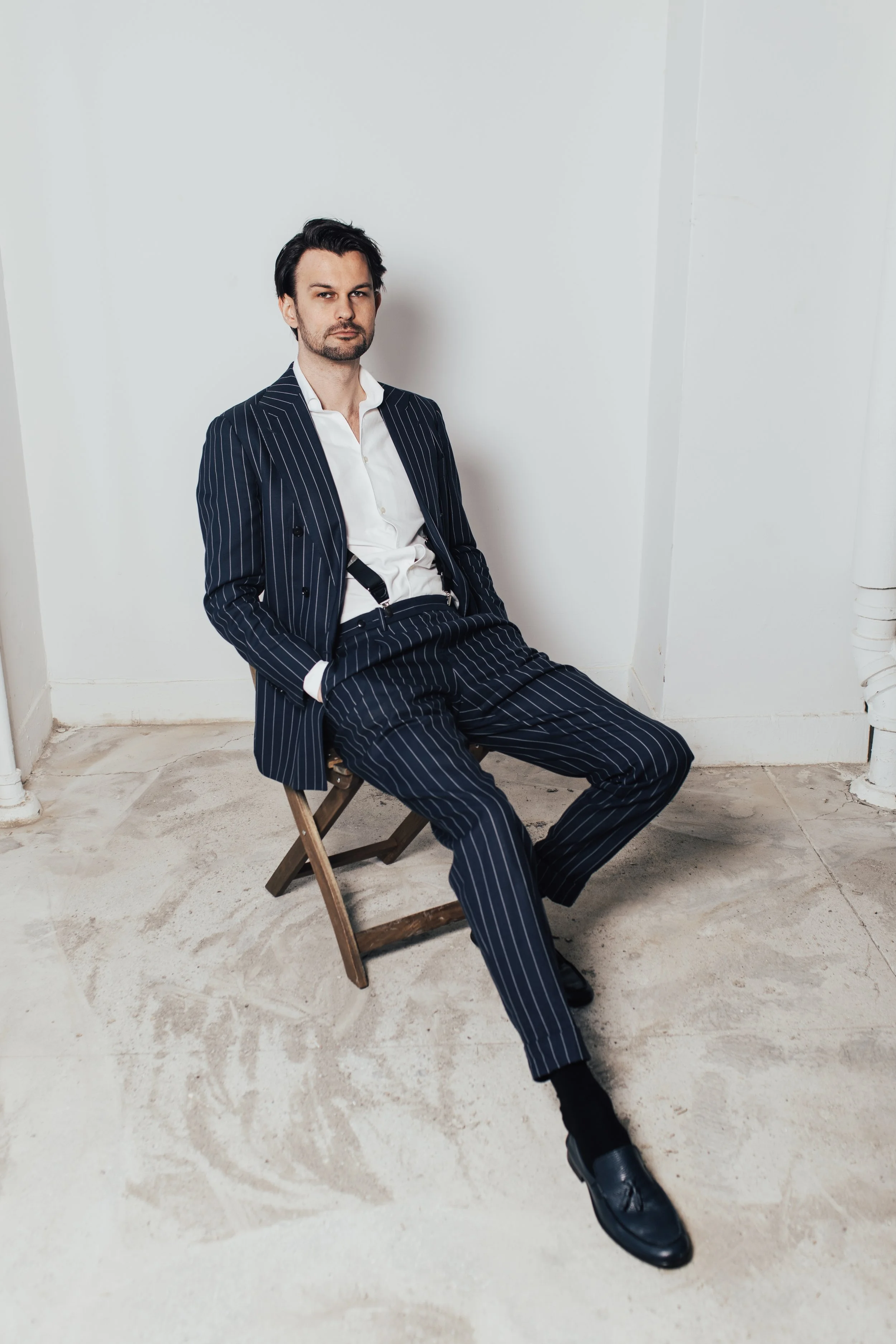
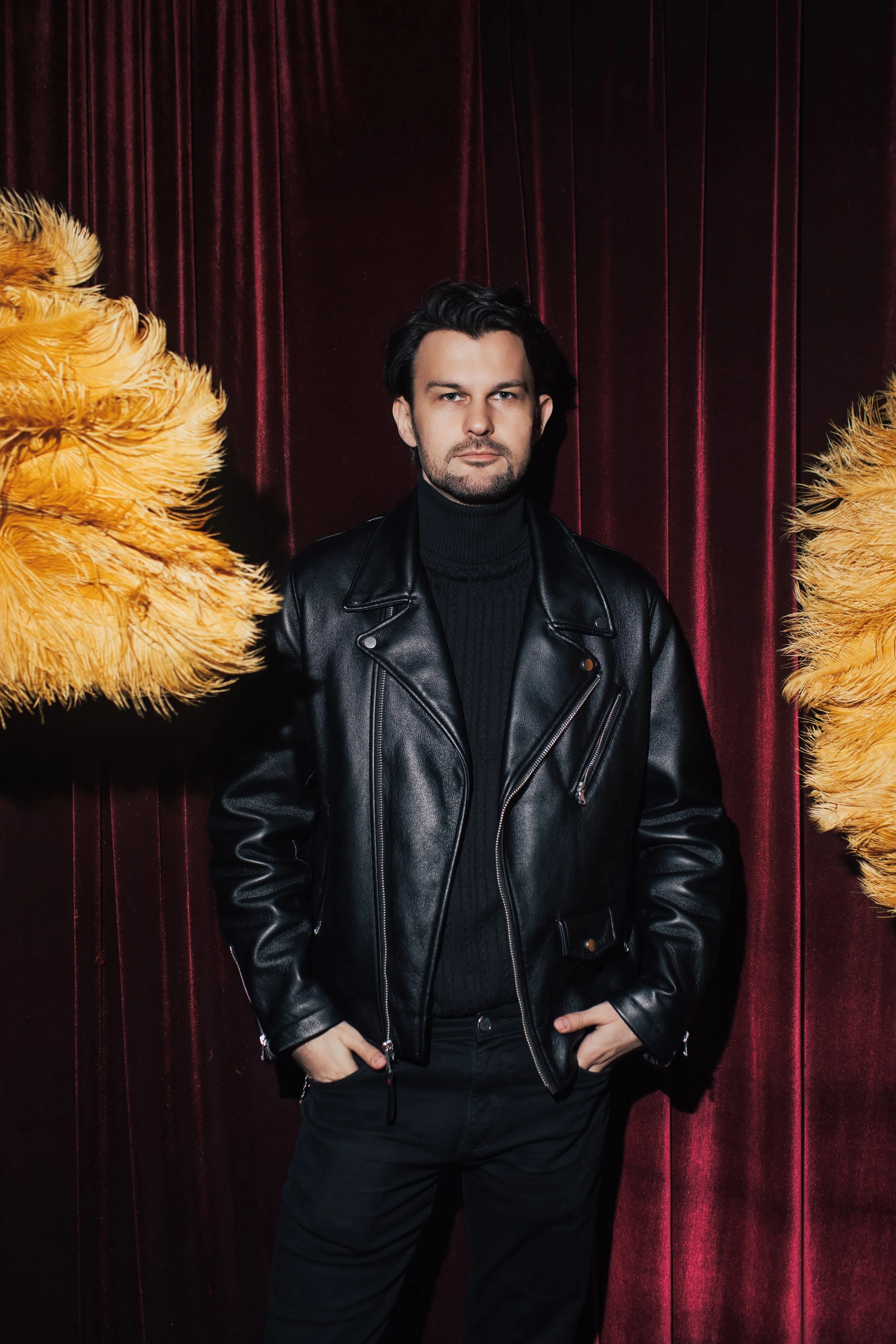
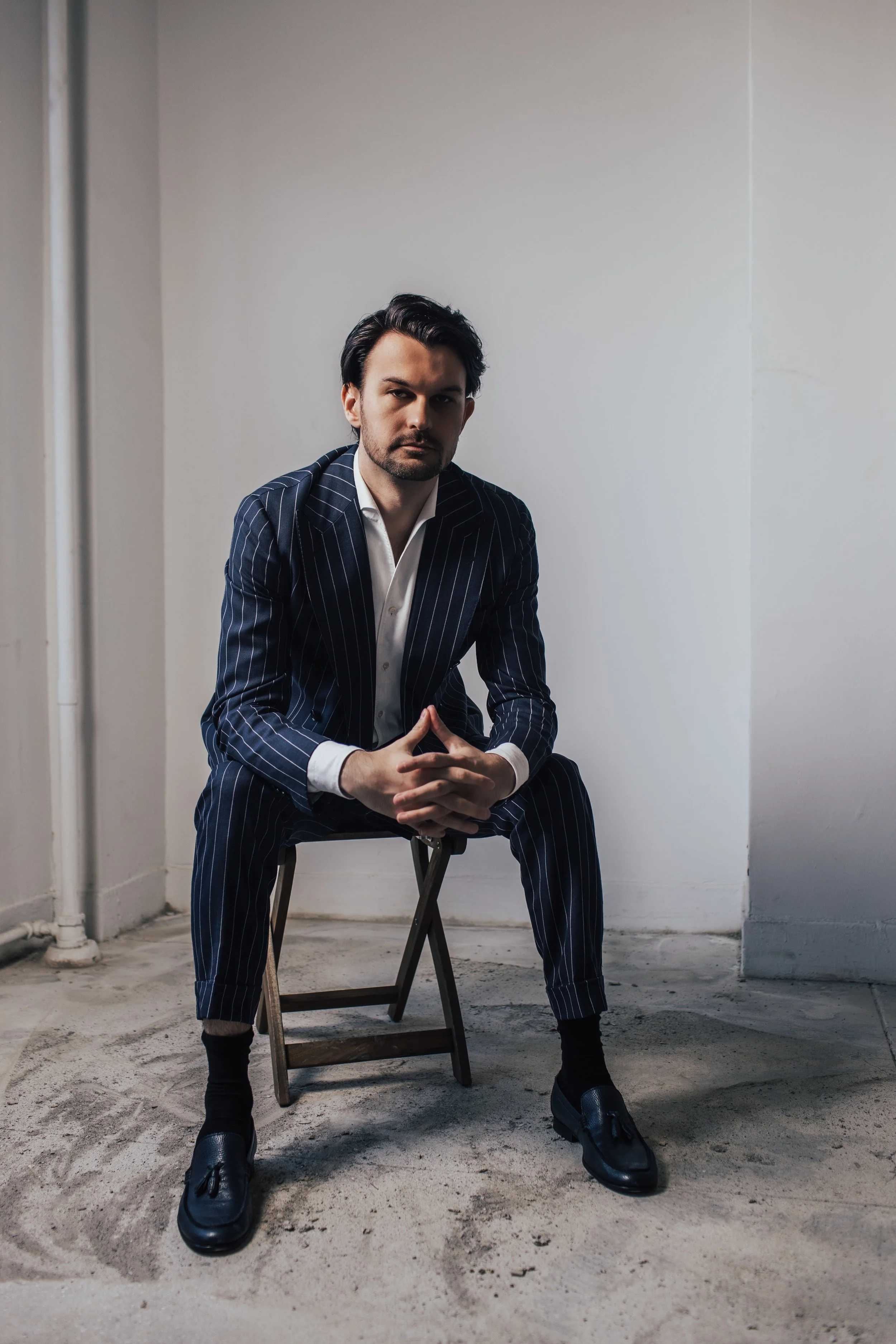
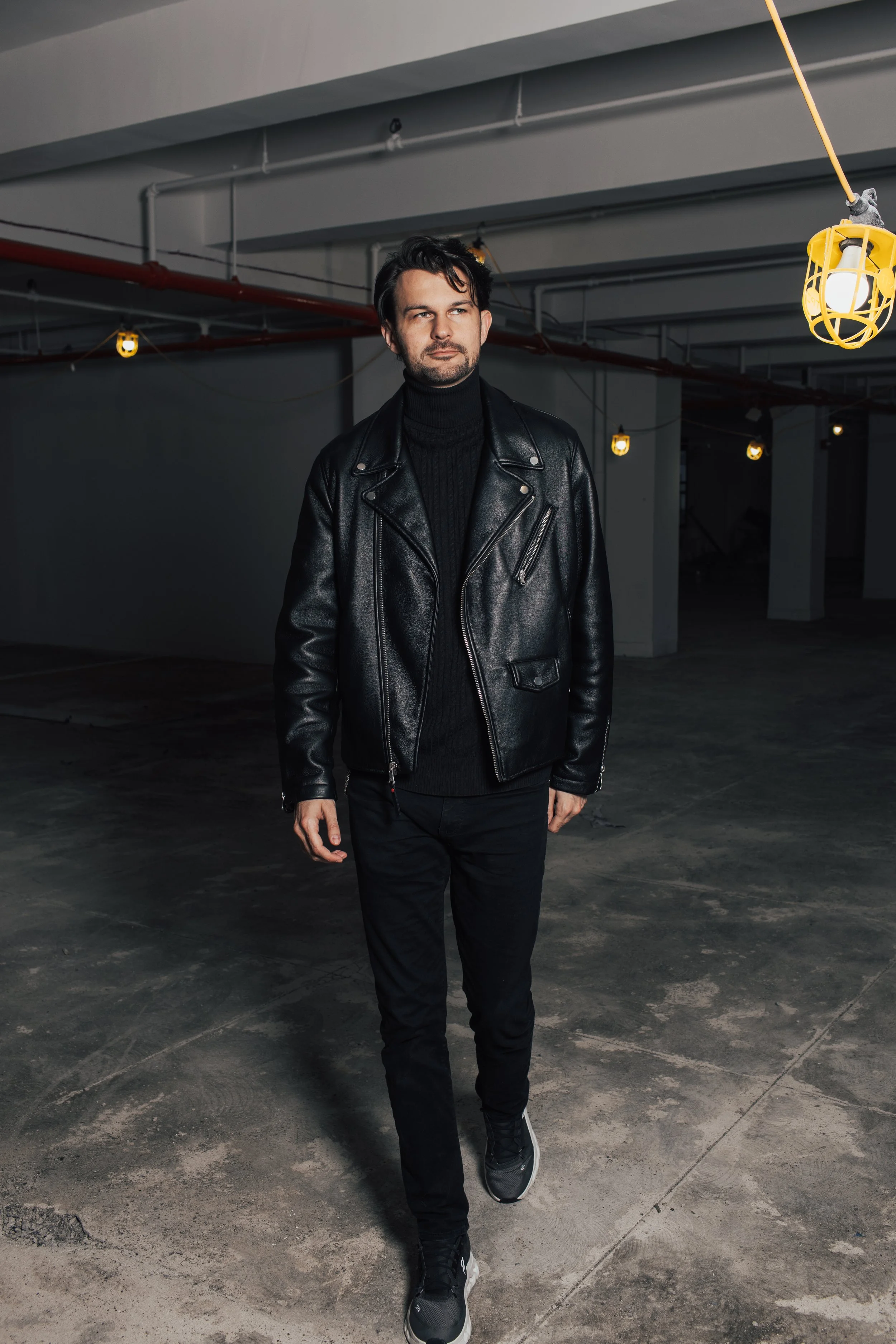
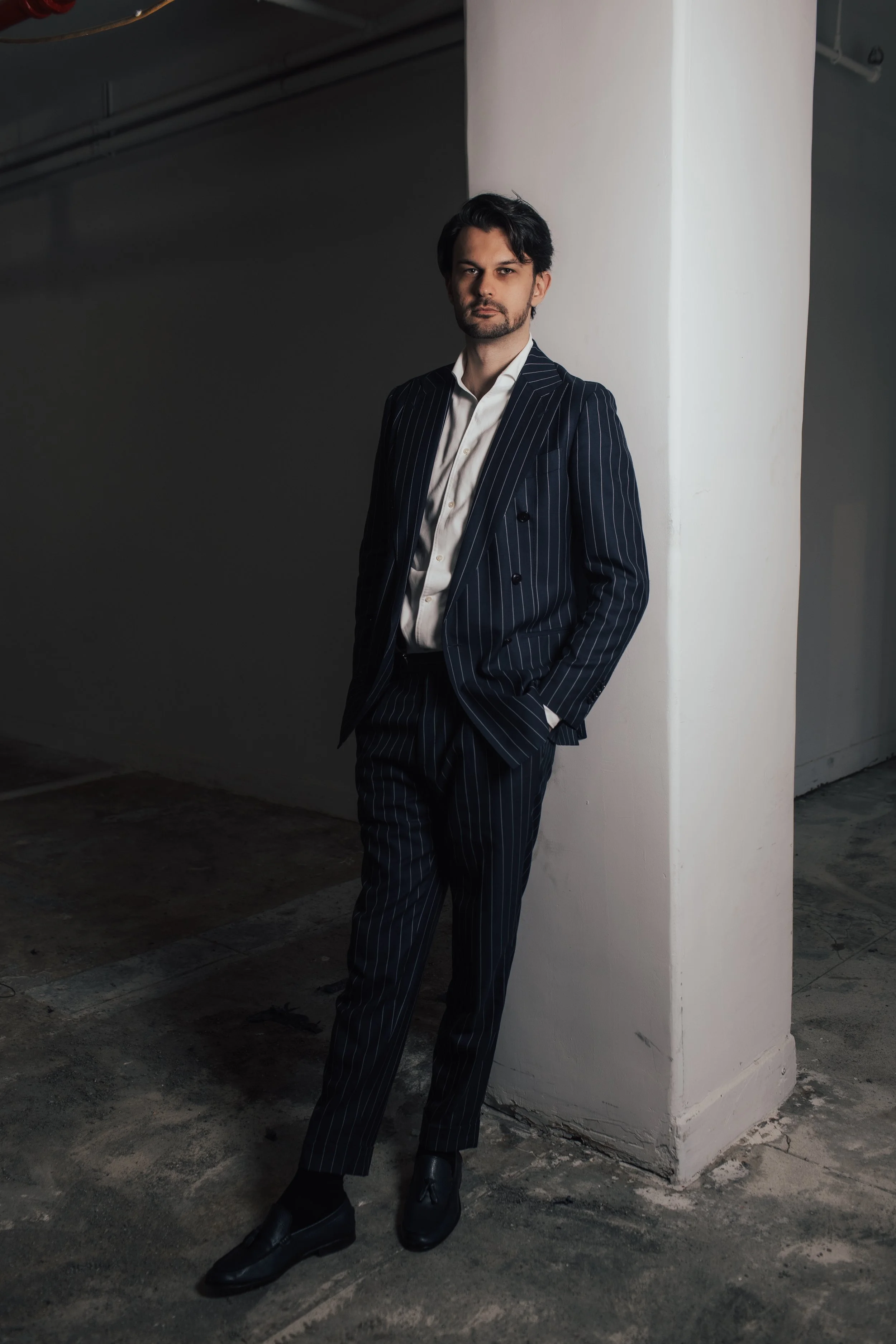
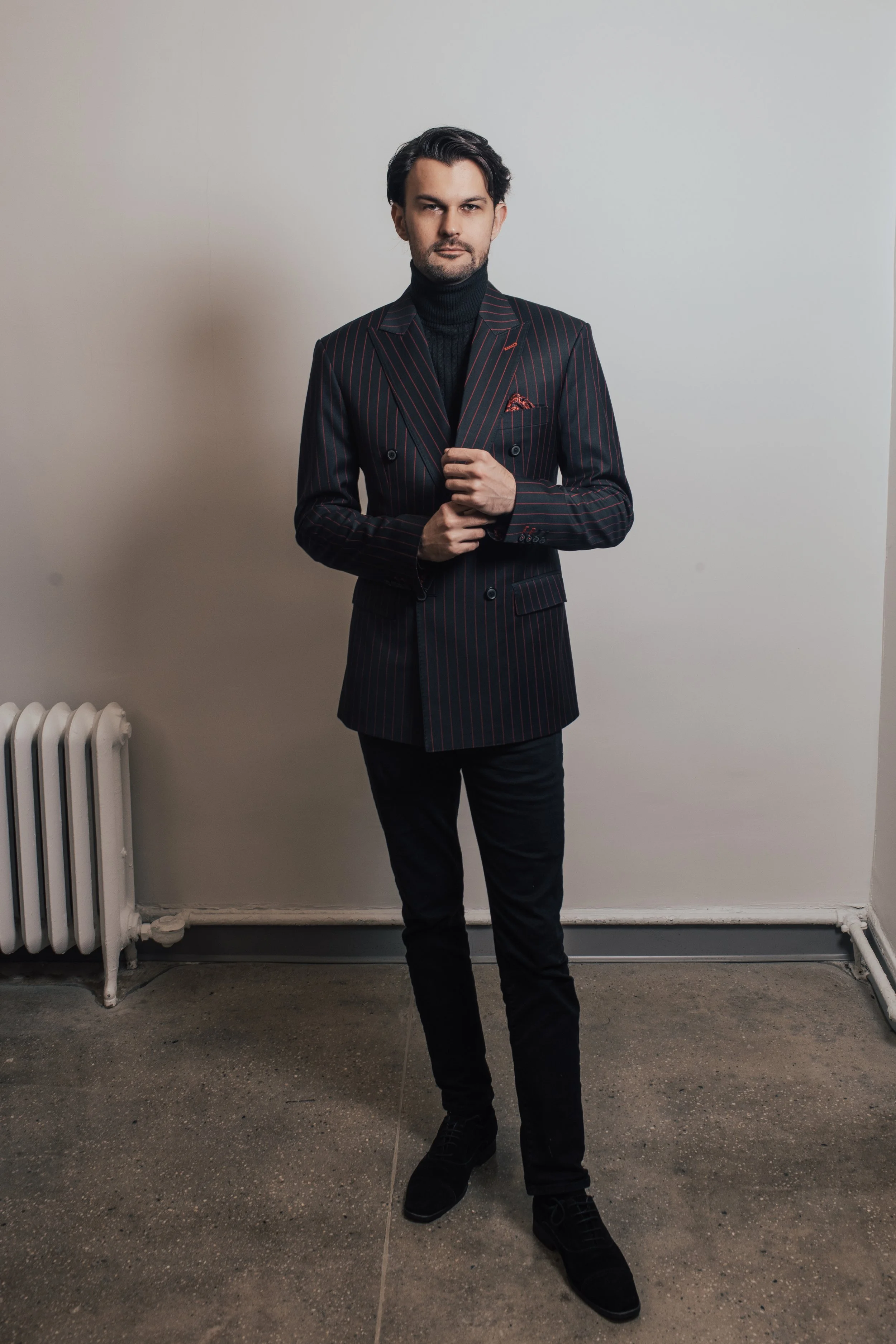
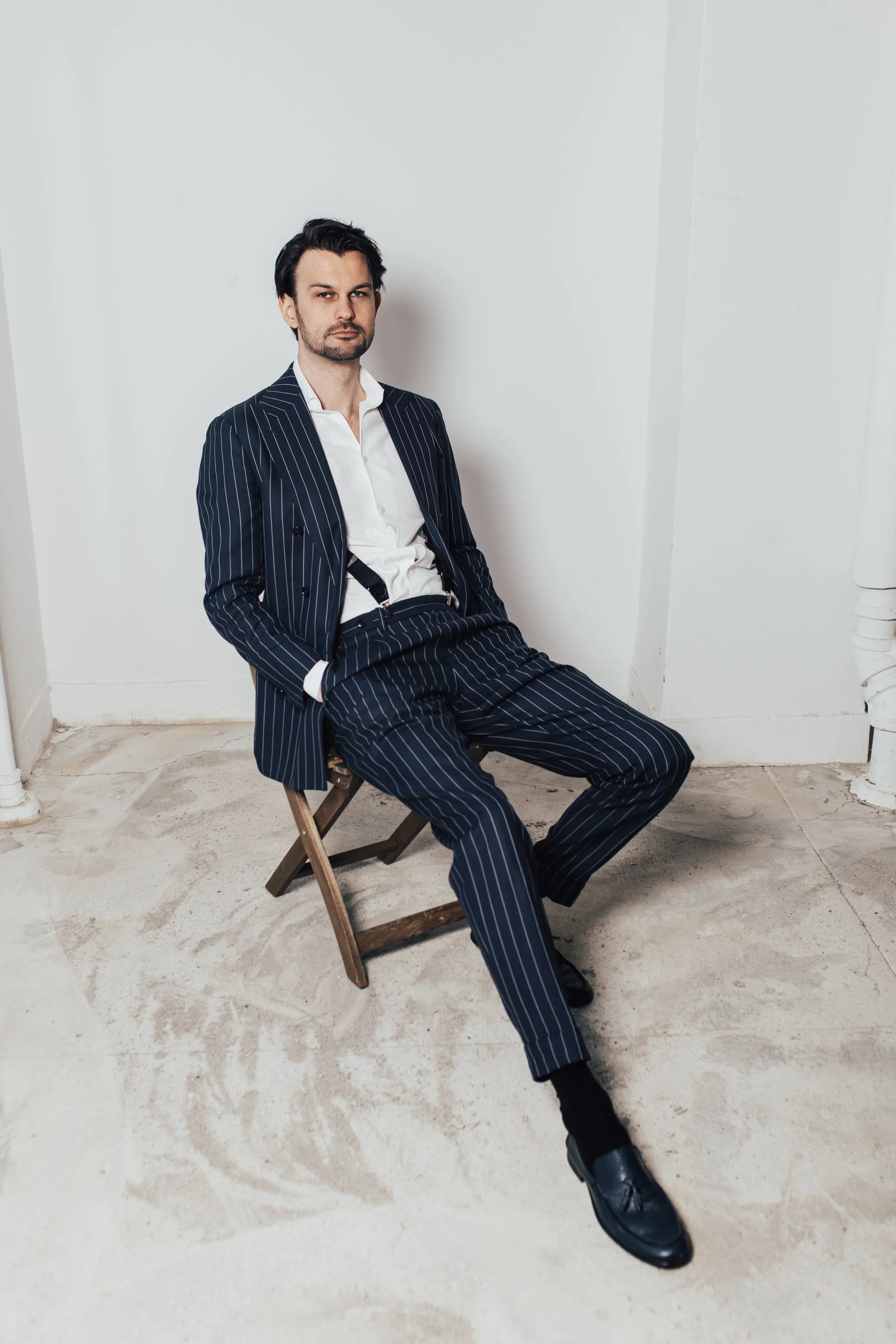
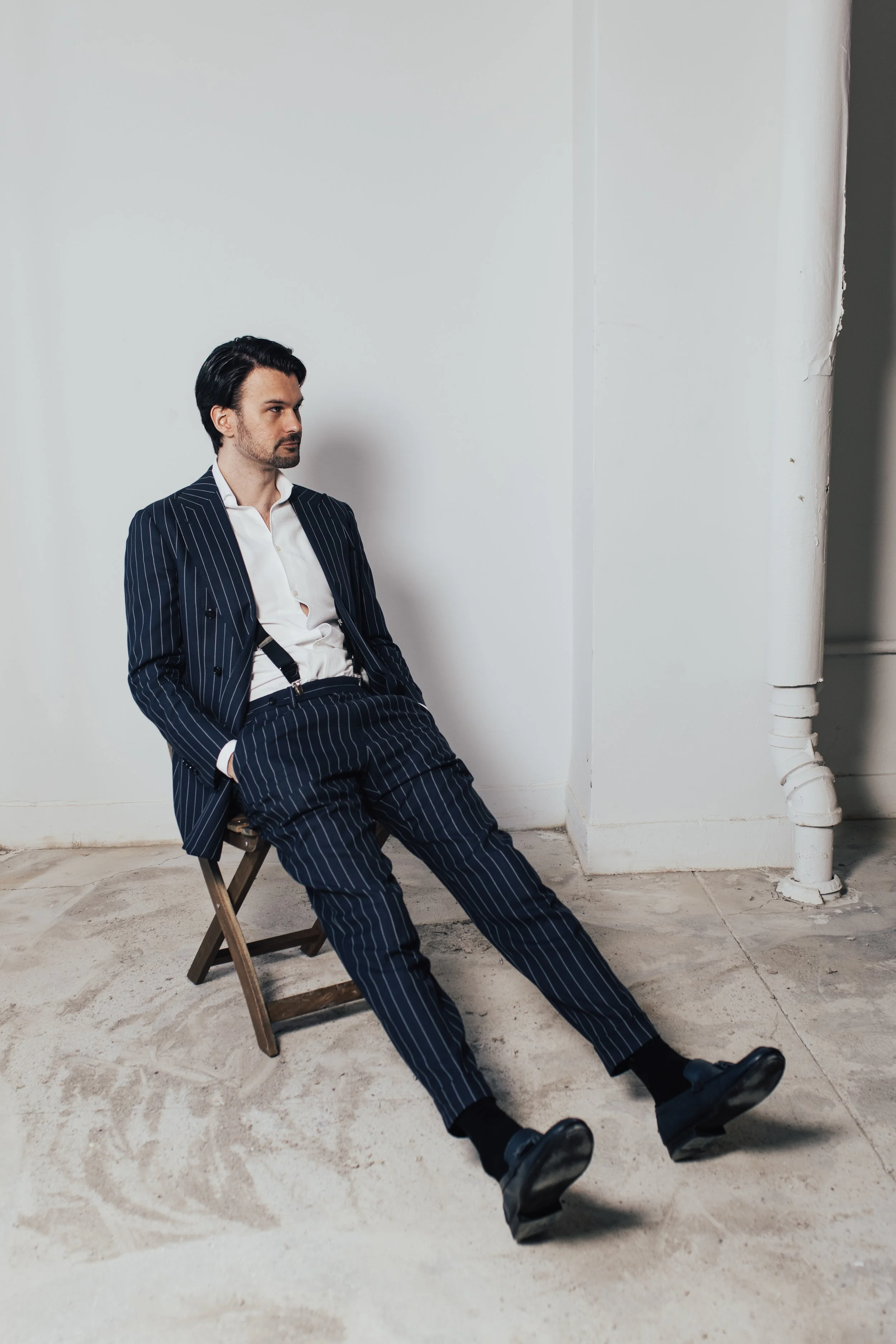
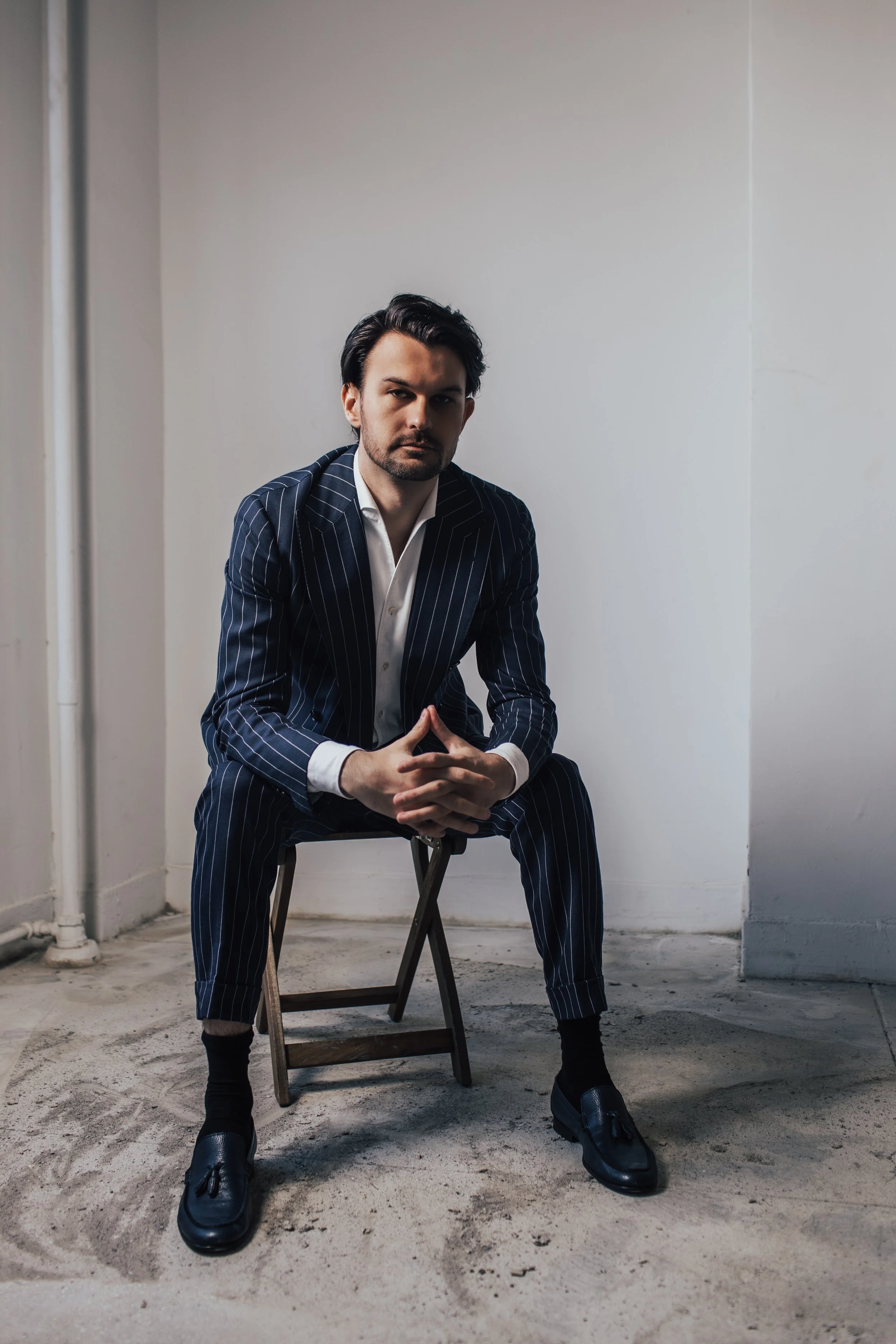
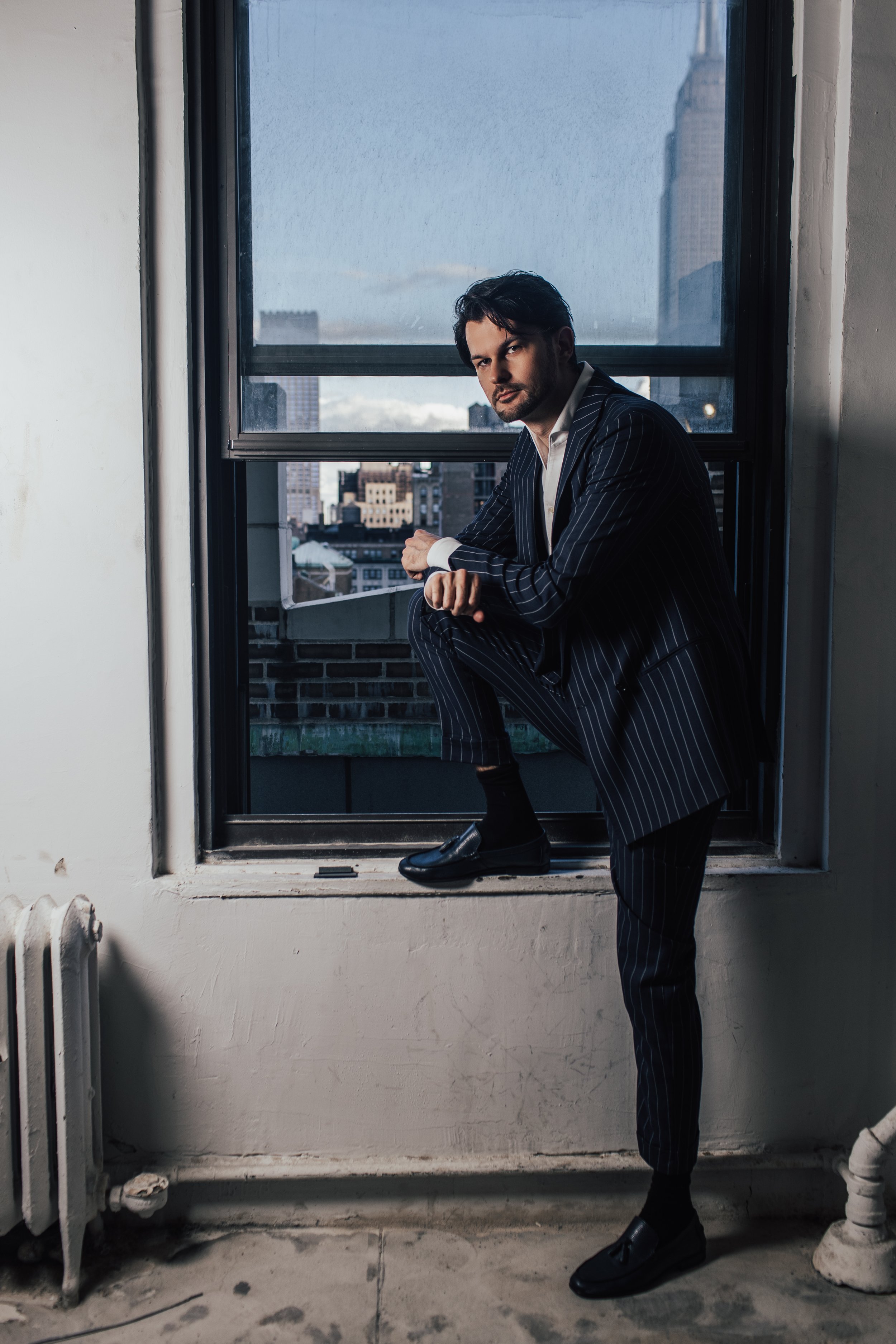
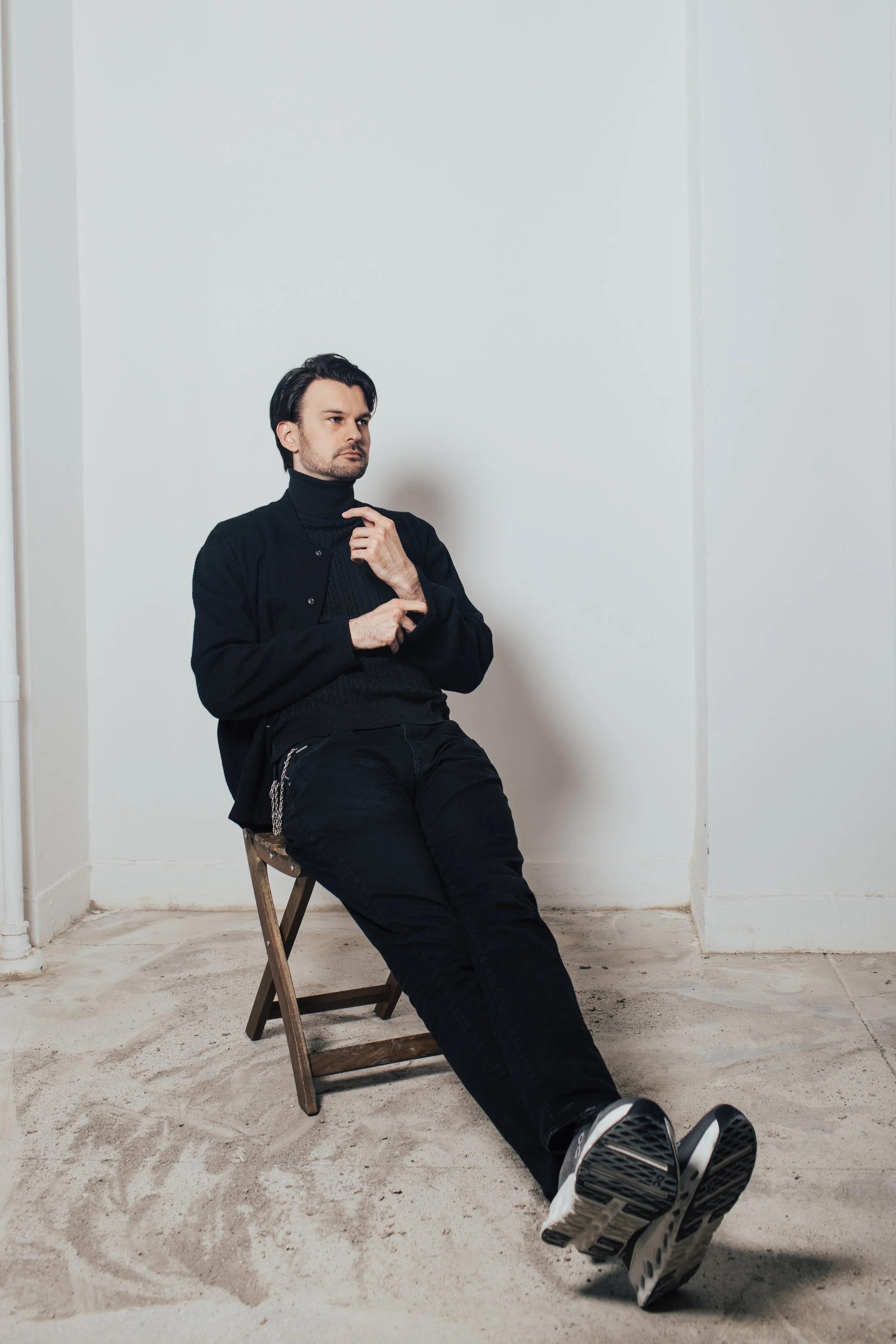
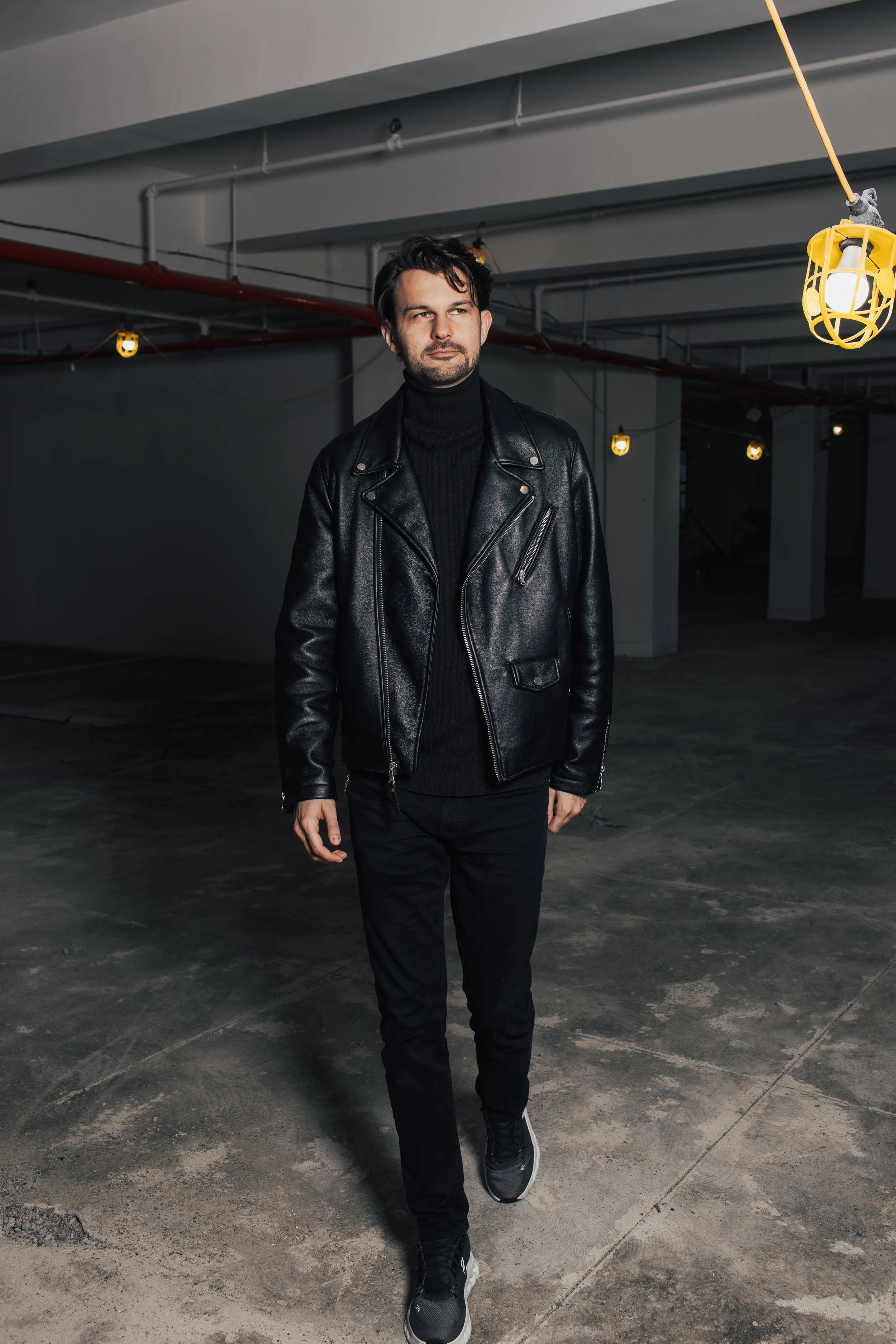
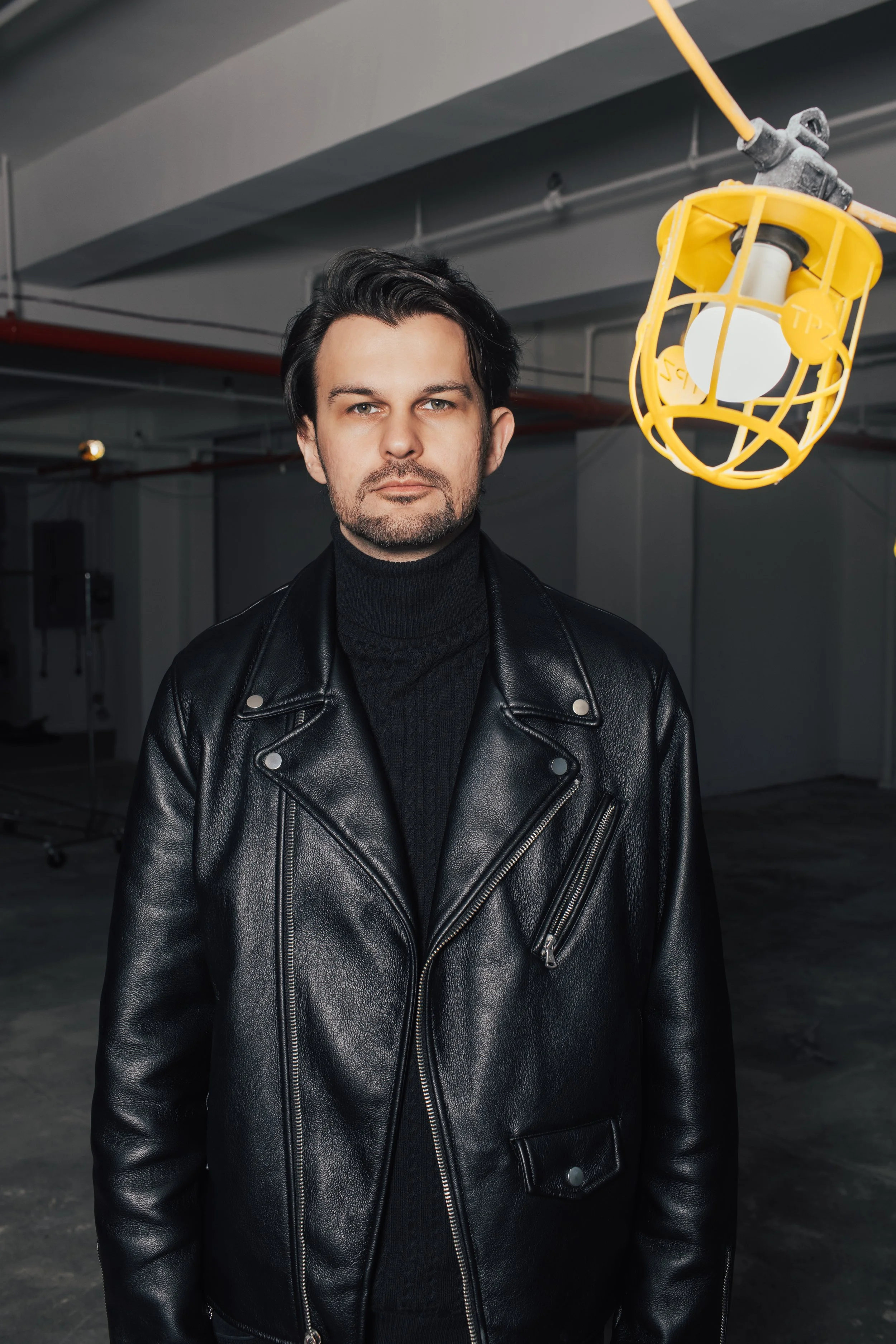
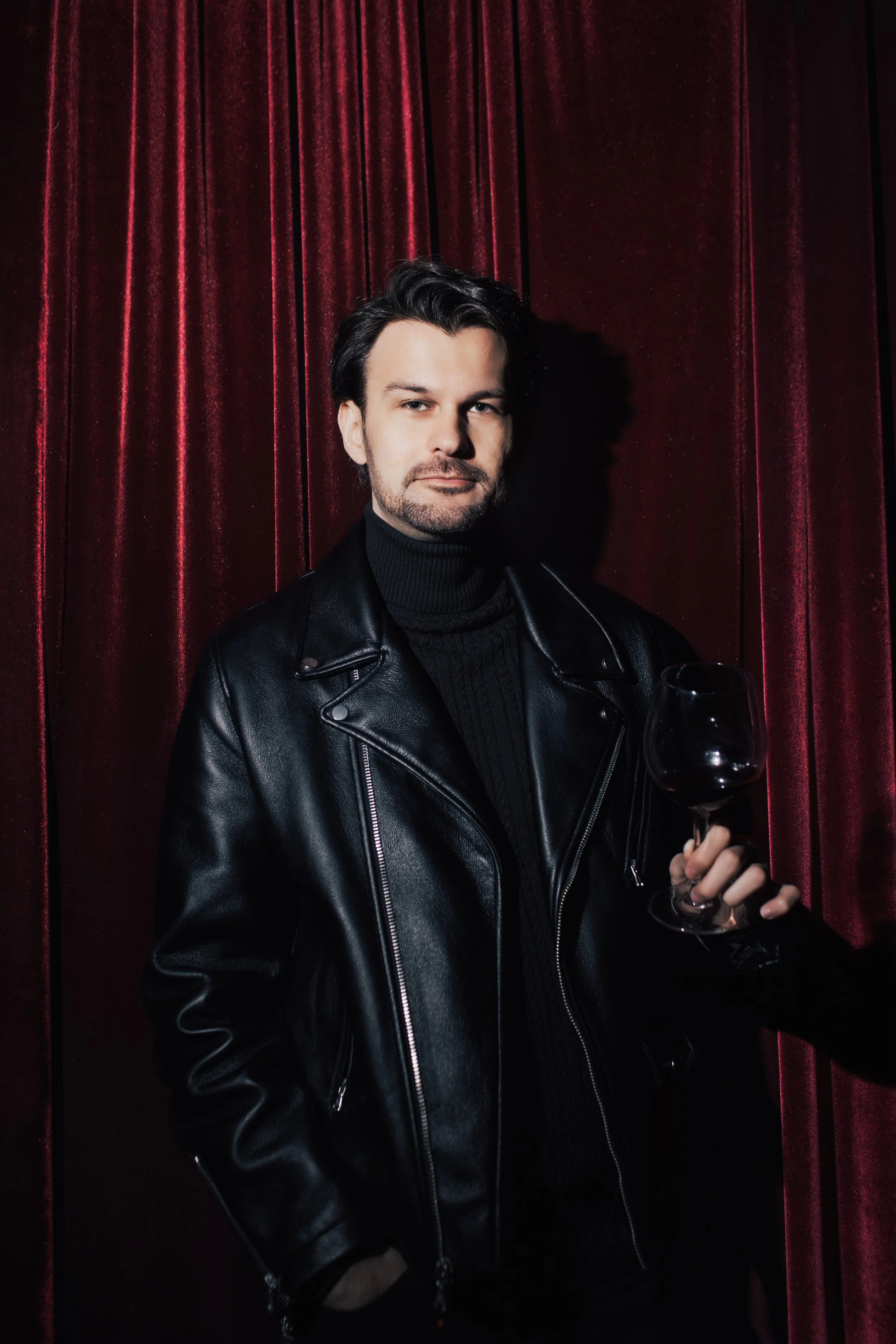
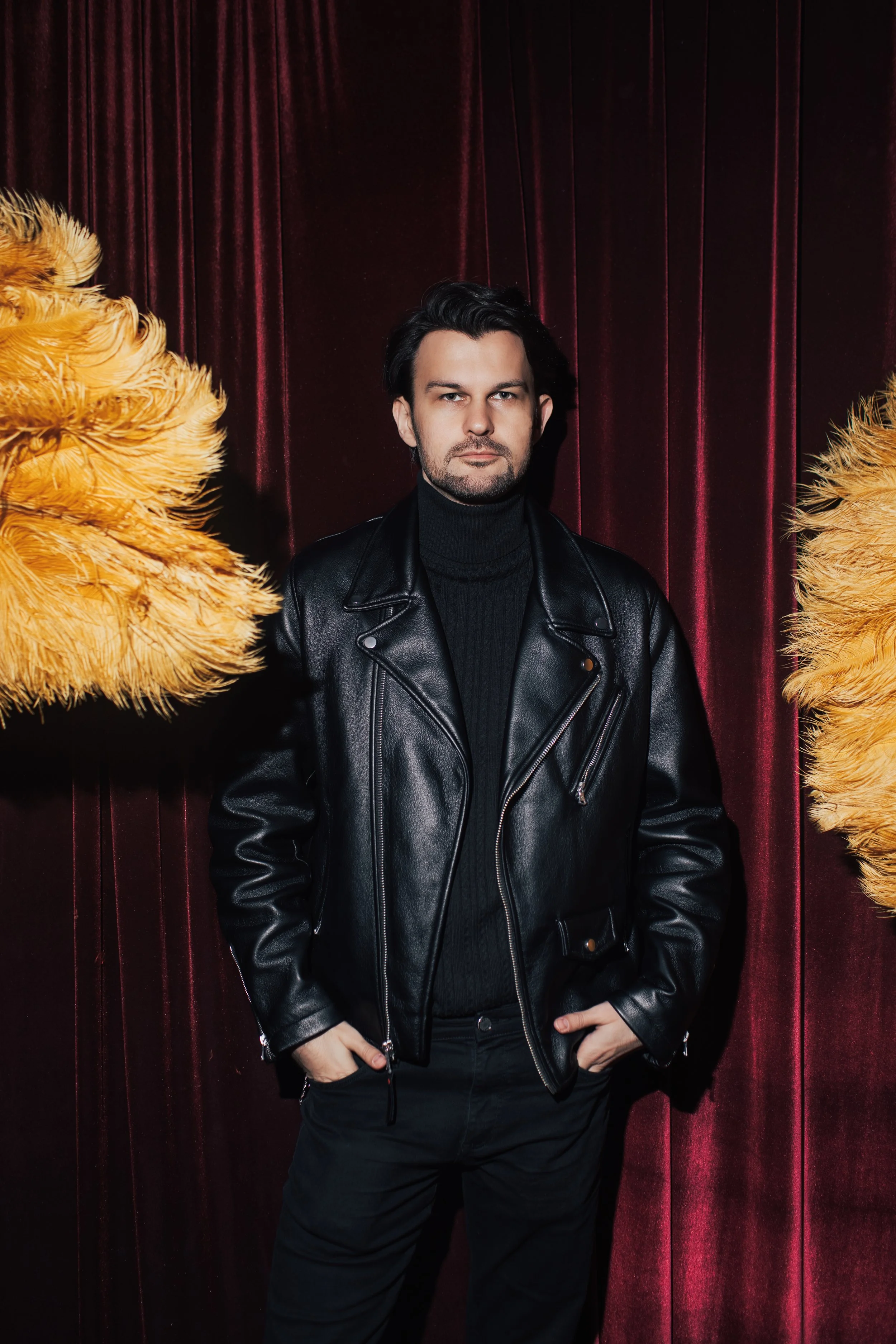
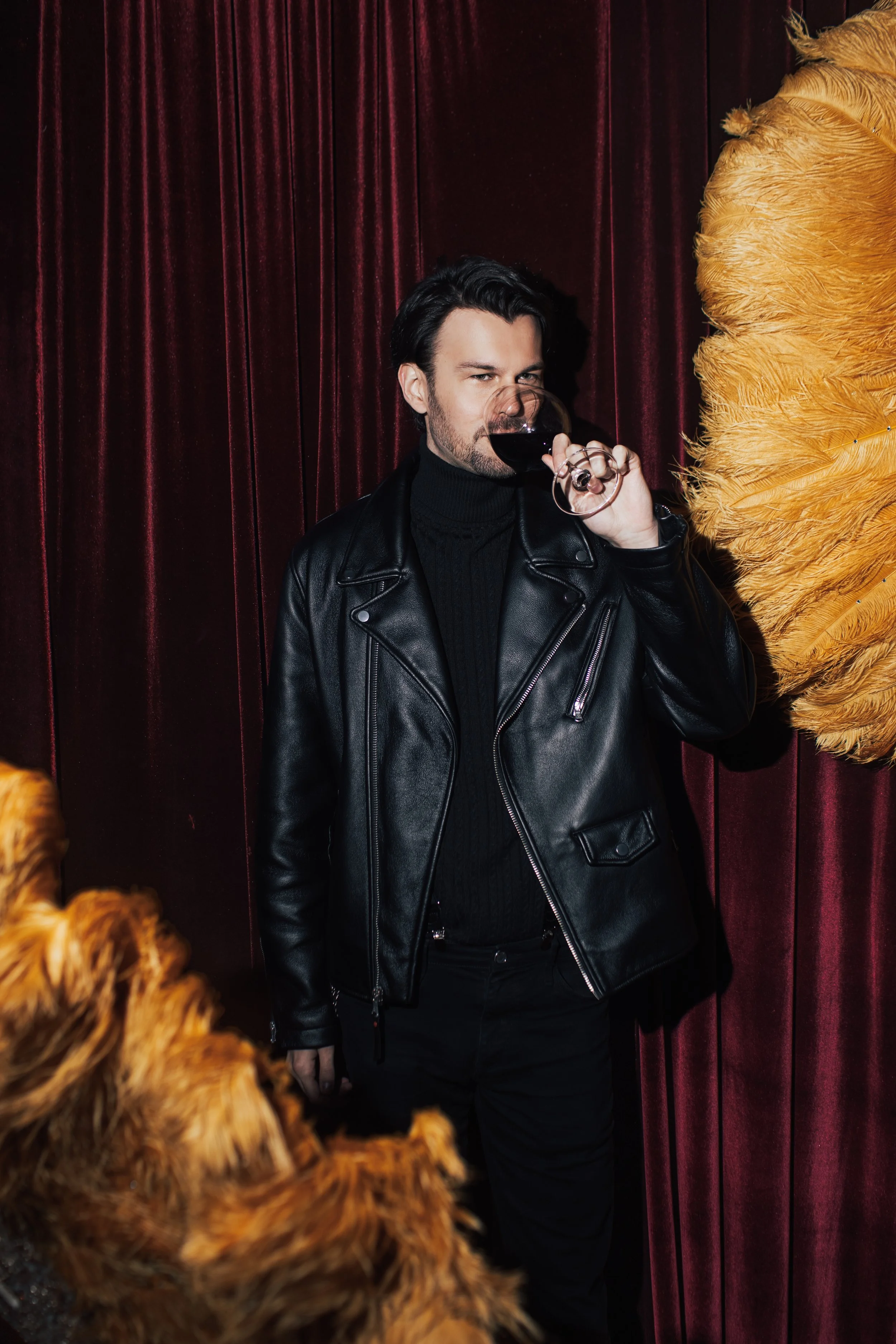
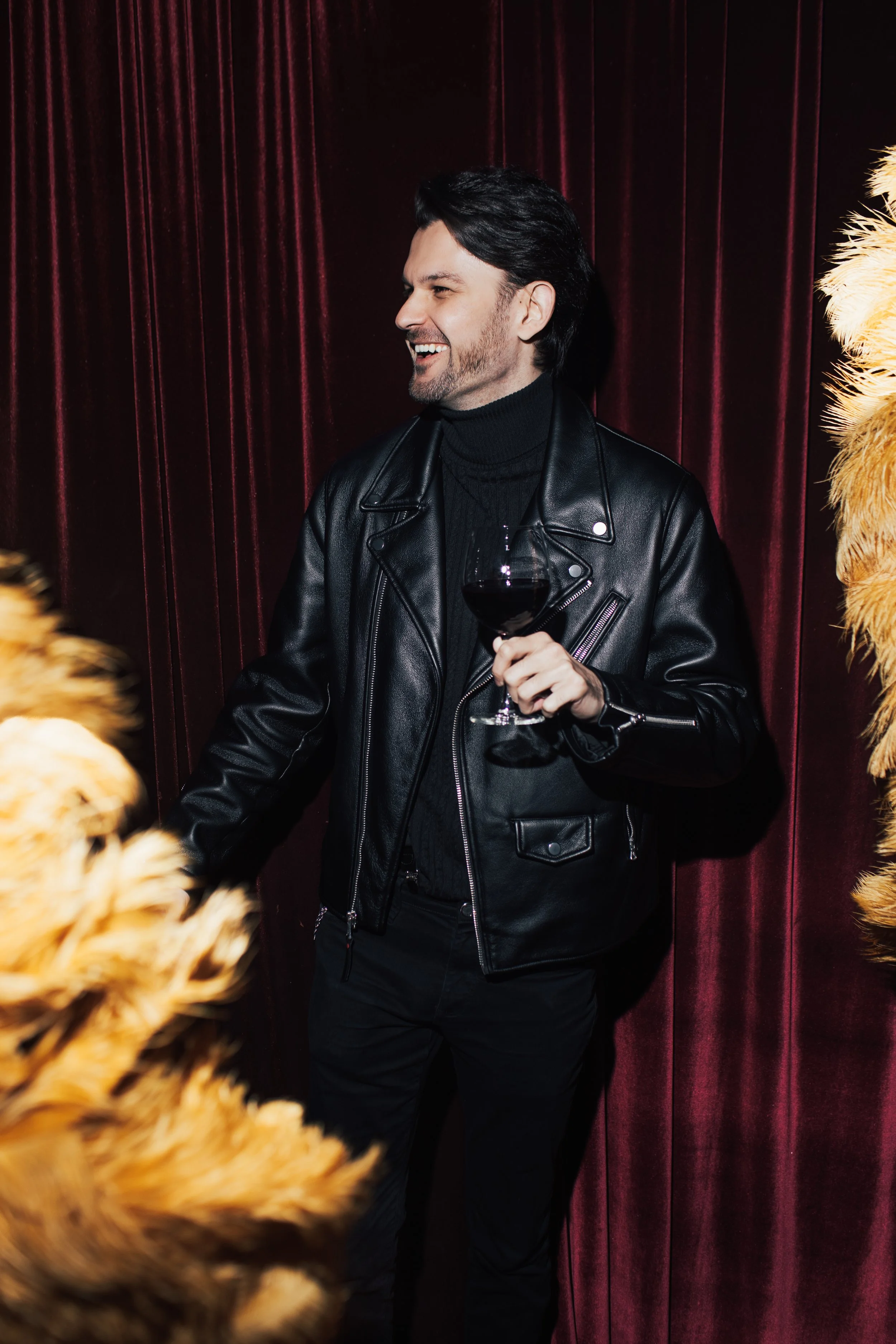
The collection reflects that ethos. A sharply tailored black suit jacket establishes authority without rigidity. Black trousers operate as a universal constant. A white button-down offers polish without pretense, while a black turtleneck—arguably Köroğlu’s signature—delivers a streamlined, almost cinematic confidence. Outerwear pieces, including a felt jacket and a refined leather layer, introduce texture without compromising clarity.
Taken together, these are not statement pieces in the traditional sense. They are tools—designed to perform, to transition, and to communicate intention without noise.
This is where Köroğlu’s dual identity as restaurateur and designer becomes particularly resonant. Hospitality, at its highest level, is about controlling atmosphere while making it feel effortless. It’s about removing obstacles between a guest and their experience. In many ways, Barış operates on the same principle: reducing the cognitive load of getting dressed so that the wearer can focus on occupying space with confidence.
His restaurants have long served as case studies in this philosophy. At Aquarelle, Mediterranean warmth is calibrated with downtown edge; at Dejavu, intimacy and spectacle coexist in a way that feels both curated and spontaneous. In both environments, the common denominator is intention—every detail contributing to a larger, cohesive narrative.
Clothing, in Köroğlu’s view, should function no differently.
“Your outfit speaks before you do,” he says. “If you want to be in the rooms where things happen, you have to look like you belong there.”
It’s a statement that cuts through the often-dismissed notion of fashion as superficial. In Köroğlu’s world, style is strategic. It’s an entry point. And in a city where access remains one of the most valuable currencies, the right uniform can quietly shift outcomes.
What makes Barış particularly timely is its resistance to trend dependency. In an era defined by rapid cycles and algorithm-driven aesthetics, Köroğlu is betting on restraint—on the idea that clarity, consistency, and cultural fluency will outlast novelty. The “Barış man” is envisioned as global, mobile, and discerning, someone who requires versatility not as a luxury, but as a baseline.
There are early संकेत that this is only the beginning. Köroğlu hints at future expansions into footwear and grooming, suggesting that Barış may evolve beyond a capsule into a broader lifestyle proposition. If so, it would mirror the trajectory of his hospitality ventures—spaces that begin with a singular point of view and expand into ecosystems of experience.
For now, the collection’s distribution remains deliberately intimate, available via direct inquiry through Instagram. It’s a launch strategy that feels aligned with Köroğlu’s world: personal, curated, and just elusive enough to maintain its allure.
Ultimately, Barış is less about redefining menswear and more about refining it. It asks a pointed question: what if looking good wasn’t about having more, but about needing less—and choosing better?
In a city that never stops evaluating who gets in and who stays out, Köroğlu is offering men something deceptively powerful: not just clothes, but a clearer path through the door.
HOW DO YOU FEEL ABOUT FASHION?
COMMENT OR TAKE OUR PAGE READER SURVEY
Featured

Mia Rose McGrath’s Frugal Chic reframes wealth-building as an extension of personal style, arguing that financial freedom comes not from deprivation but from developing the taste, discipline and confidence to spend intentionally.