
Portable Medical Equipment: Revolutionizing Healthcare at Home
PAGE
By PAGE Editor
As we step into the new year of 2026, the landscape of Ontario healthcare has made a radical transition. The days of high-level medical diagnostics and therapeutic support being limited to inside the four walls of a hospital are officially over. Enter the "Mobile Medical Suite," where Home:85 is equipped with portable, medical-grade technology as sophisticated as that of a contemporary clinic.
This revolution is not simply one of convenience; it is about clinical outcomes. We are lowering hospital readmission rates across the GTA and allowing patients to heal where they are most comfortable by bringing high-tech portable imaging, wearable vital monitors, and smart furniture into residential spaces.
The Arsenal of Portable Healthcare, 2026
It has been a year of prolific growth for miniaturized medical technology. Devices that used to take up the entire room in a hospital can now be plugged into a caregiver’s briefcase or strapped to a patient’s wrist with medical-grade accuracy.
Breakthroughs in Mobile Diagnostics
Pocket-sized ultrasound & MRI: Compact imaging devices now let technicians conduct routine scans at the bedside and instantaneously send high-res images to specialists in downtown Toronto through secure cloud networks.
Smart patch biometrics: Adhesive, waterproof patches can now monitor everything from ECG rhythms to sweat biomarkers (early indicators of stress or dehydration) for up to 14 days without intervention.
Point-of-Care Lab Kits: Home molecular test kits can now detect infections or measure cardiac markers in less than ten minutes, enabling changes to treatment during a home visit.
Building the ‘Foundation’ of Home Recovery
The shiny digital devices get all the headlines, but the actual physical infrastructure of the home is what matters most to a successful recovery. A mobile “smart lab” is useful only if the patient is within a safe, ergonomic environment.
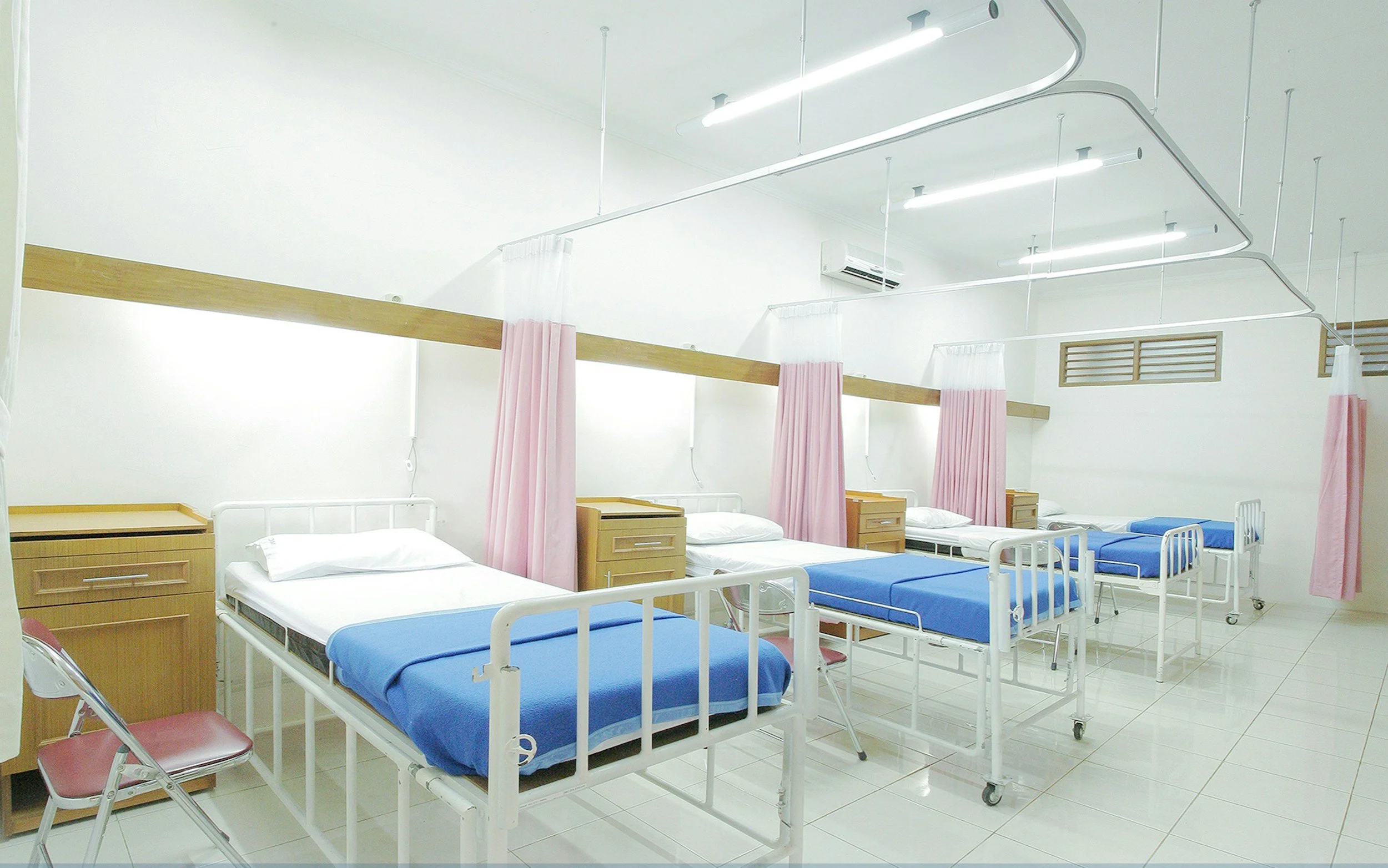
For many families managing post-surgical care or chronic respiratory conditions, the initial consideration is that of proper furniture. Dr. Olufunmilayo Olopade, chief of cancer services at the University of Chicago Medicine’s Comprehensive Cancer Centre, explains, “By working with a reliable hospital bed rental company that rents hospital beds going to have a high-tech ‘hub’ for their recovery. By 2026, those beds won’t be simply metal frames; they’ll serve as integrated platforms, with built-in scales to prevent patients from needing to get out of bed before being weighed, under-bed lighting to avoid falls, and connectivity ports for the aforementioned exquisitely portable monitors.
Why the Rental Model Prevails in a Tech-First World
In 2026, the "ownership model" of medical equipment has become obsolete due to rapid technological innovation. With technology advancing every six months, flexibility becomes a crucial asset for patients.
Advantages of Leasing Home Equipment
Access to the Latest Tech: A home hospital bed rental means families who rent beds in health care facilities can go with 2026’s “Full-Electric” designs, which offer Trendelenburg positioning and smart-sensor integration, without a large upfront cash outlay.
Maintenance & Compliance: Rental providers take care of everything from sanitizing to technical calibration, which is particularly critical concerning devices incorporating sophisticated software and AI sensors.
Scalable Support: As you get better, the equipment can be replaced with less intensive home health aids (high-tech walkers, portable oxygen concentrators), so a patient is not at risk of sharing their home with anything more “clinical” than necessary.
Neighbourhood Spotlight: The Emergence of the “Virtual Ward”
Virtual Wards, announced on population health systems in cities around Vaughan, Markham, and Richmond Hill. These are programs in which patients stay at home but have 24-7 virtual oversight from a central nursing hub.
The mobile devices in these houses serve as the medical team’s “eyes and ears.” If a smart bed sensor that is tracking a patient in Oakville senses restlessness or if a wearable patch registers just a slight drop in oxygen, then an intervention can happen immediately. In 2026, this is the signature of a patient-centric model built on portable hardware and remote expertise.
How to Select Camp Gear for Your Transport Needs
To ensure that the technology serves you rather than hinders you when building your home healthcare suite, here are three things to keep in mind:
User Intuition: A top-notch portable equipment feature in 2026 is voice control or "one-touch" interfaces, which make it accessible for seniors with limited dexterity.
Battery Duration: For mobile devices—portable suction pumps or oxygen concentrators—make sure a minimum of a 4-hour backup is available while travelling or in the case of power cuts.
Data Security: Avoid devices that do not utilize end-to-end encryption, ensuring your sensitive health data is safe as it travels from your home to your clinical team.
Conclusion: Empowering the Patient Journey
The portable medical equipment revolution ultimately empowers individuals. It is about stripping the label of “patient” from those who receive acts of care and allowing people to be people first, living their own lives at home with world-class support.
By 2026, we have the means to enable home-based healing to be the safest and best alternative out there. We are shaping a future where the best healthcare in the world is the healthcare you get delivered to your living room, by combining cutting-edge mobile diagnostics with trusted high-quality medical rentals.
HOW DO YOU FEEL ABOUT FASHION?
COMMENT OR TAKE OUR PAGE READER SURVEY
Featured





Video is no longer optional for marketing teams, e-commerce brands, and solo creators.