
Purpose Becomes The New Luxury At 2026 Social Impact Summit Honoring Selena Gomez And Kenneth Cole
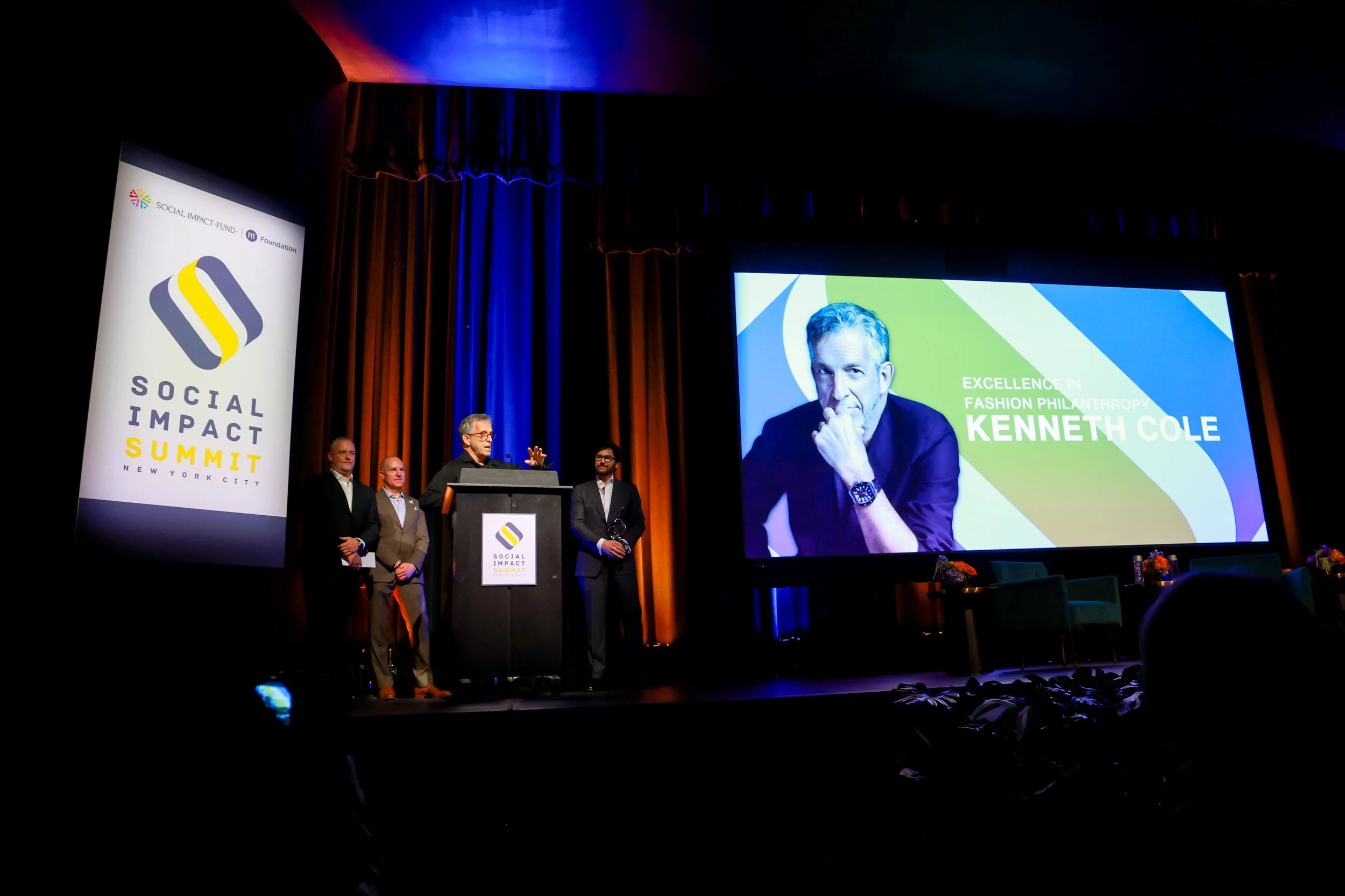
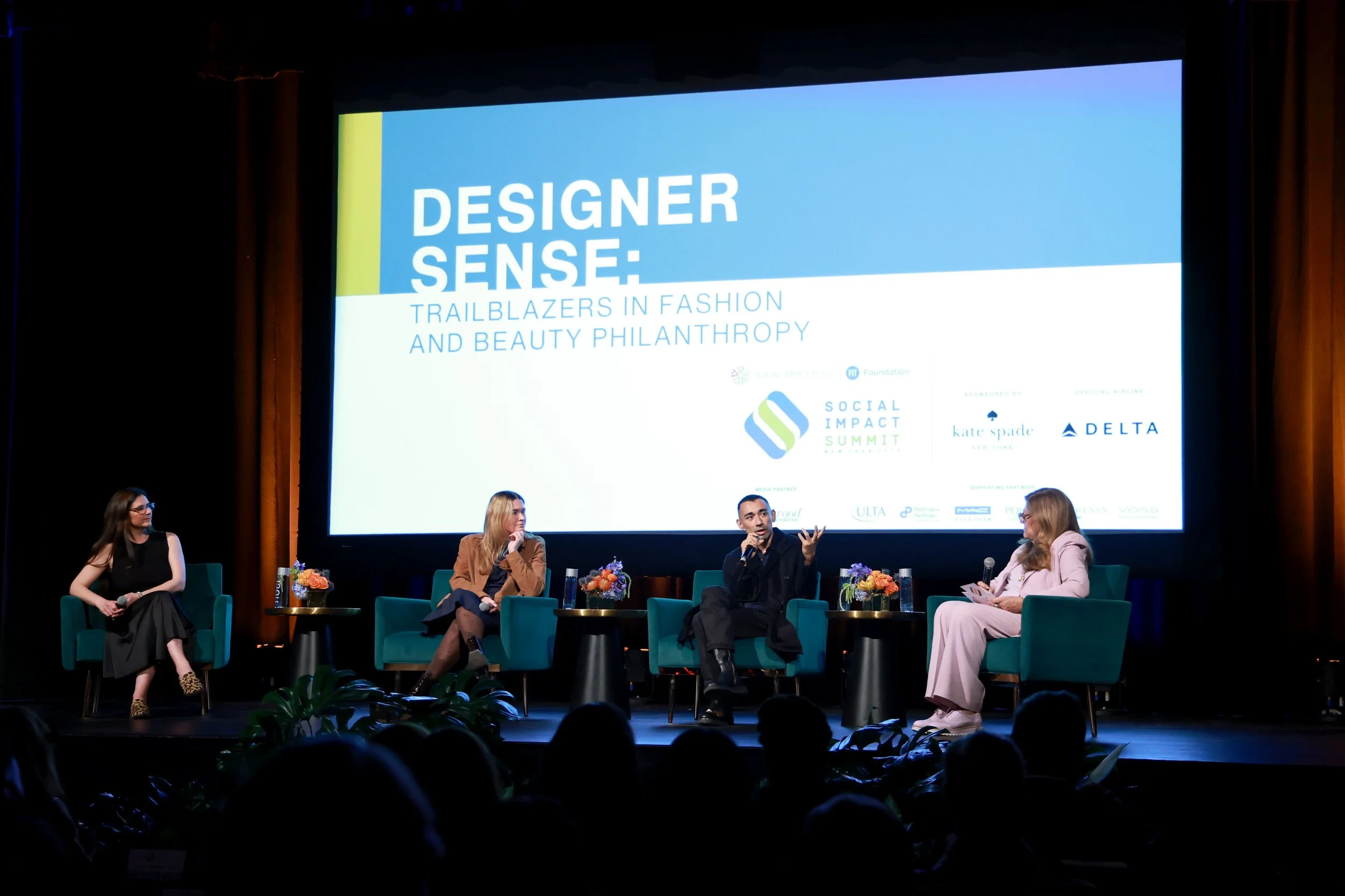
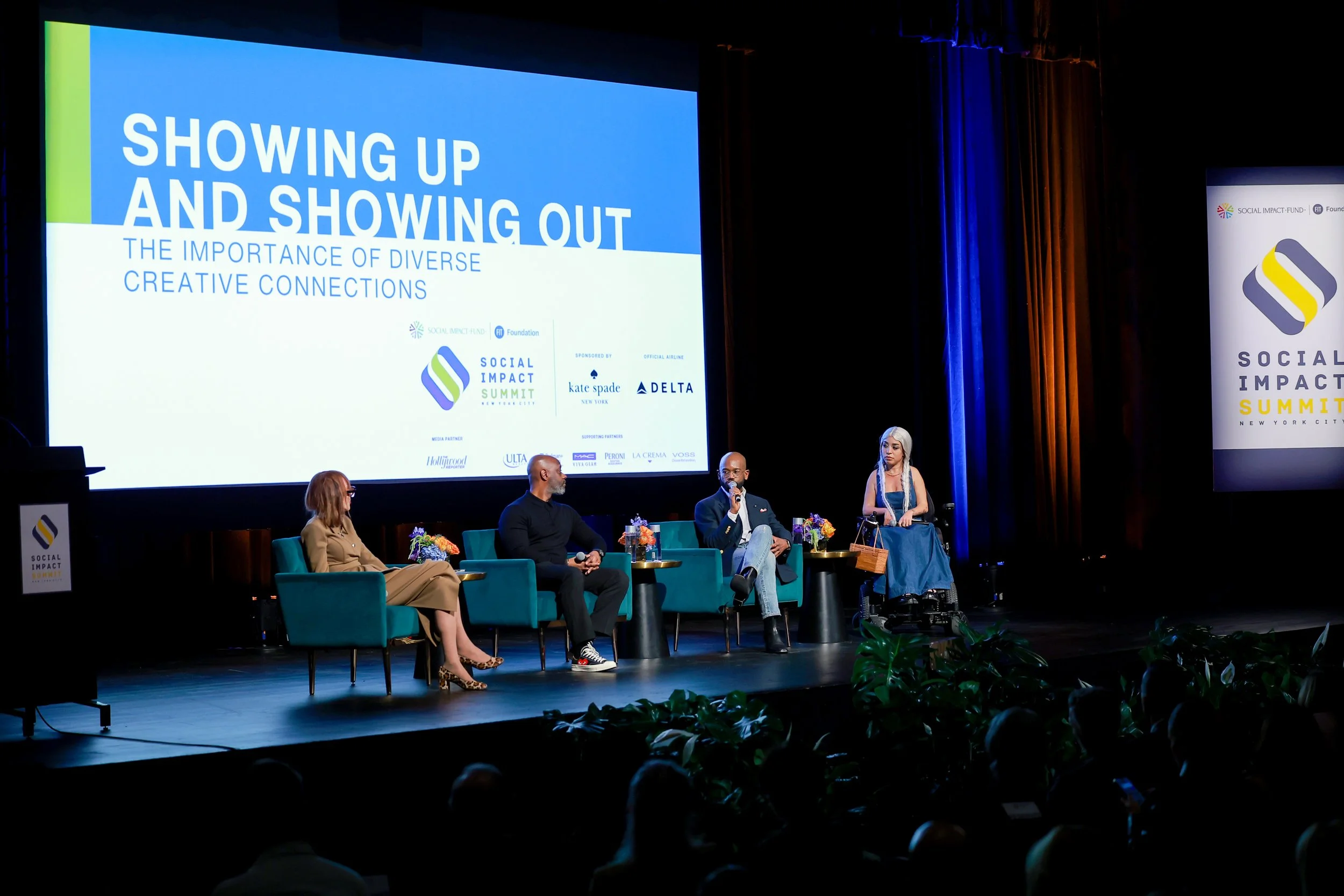
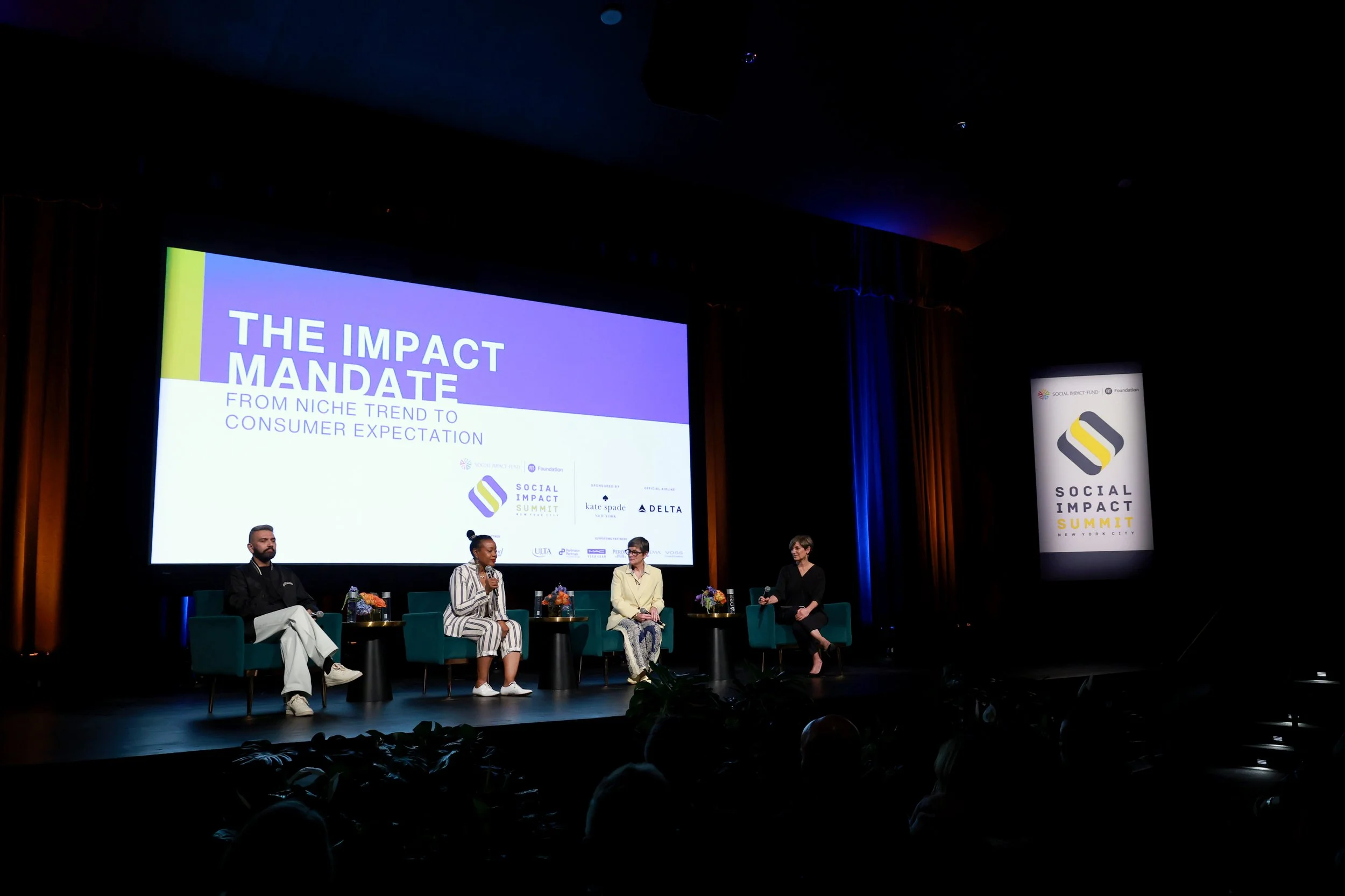
In an era where brand equity is increasingly measured not only by market share but by cultural responsibility, the 2026 Social Impact Summit at the Fashion Institute of Technology arrives at a critical inflection point for fashion and beauty.
Hosted in partnership with the Social Impact Fund and the FIT Foundation, this year’s summit positions New York City as a global stage for rethinking how industries built on image can—and must—drive systemic change. The invitation-only gathering convenes a cross-section of executives, creatives, and changemakers to interrogate a central thesis: what does it mean for brands to lead with purpose in a time of heightened social awareness?
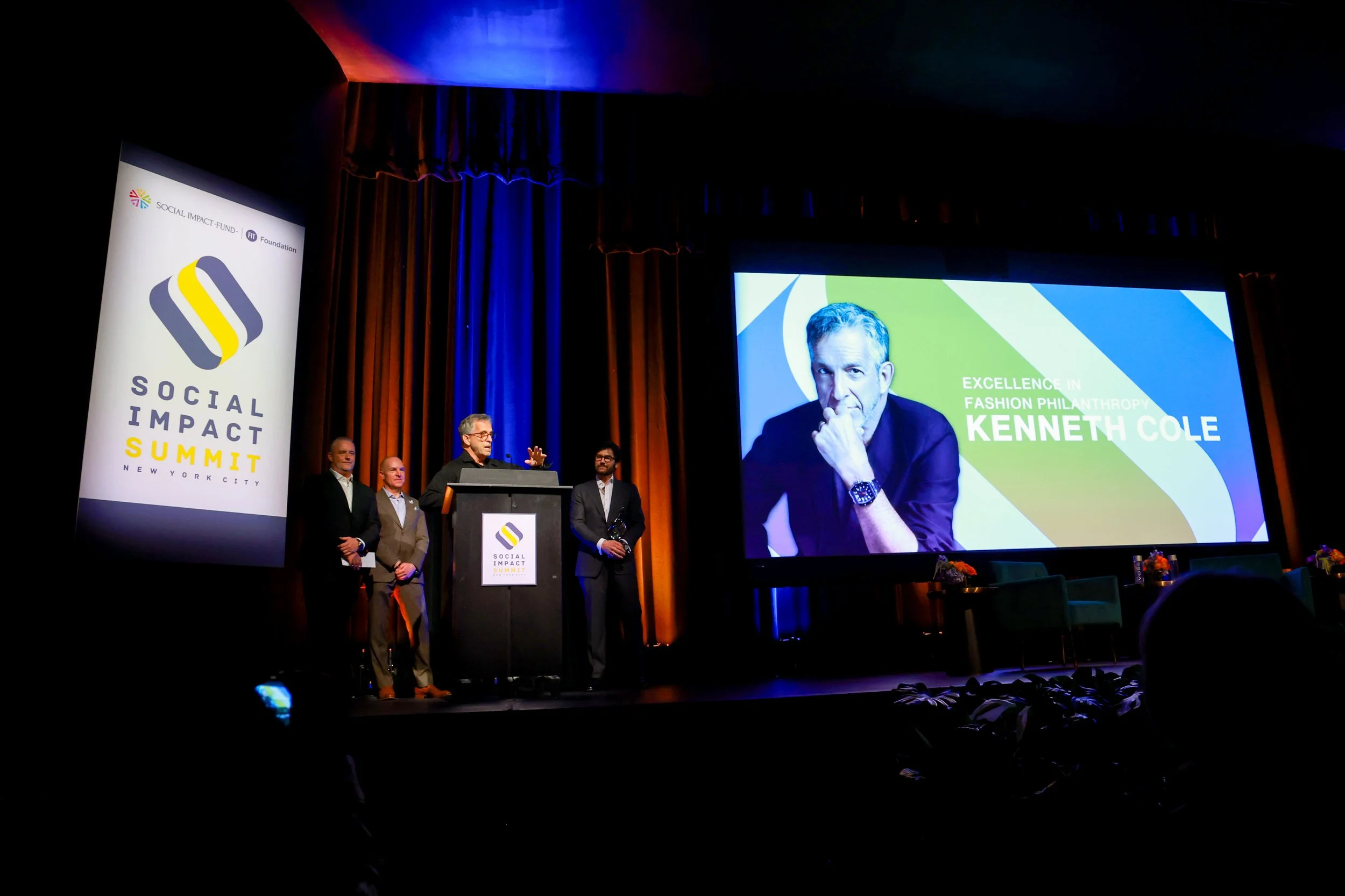
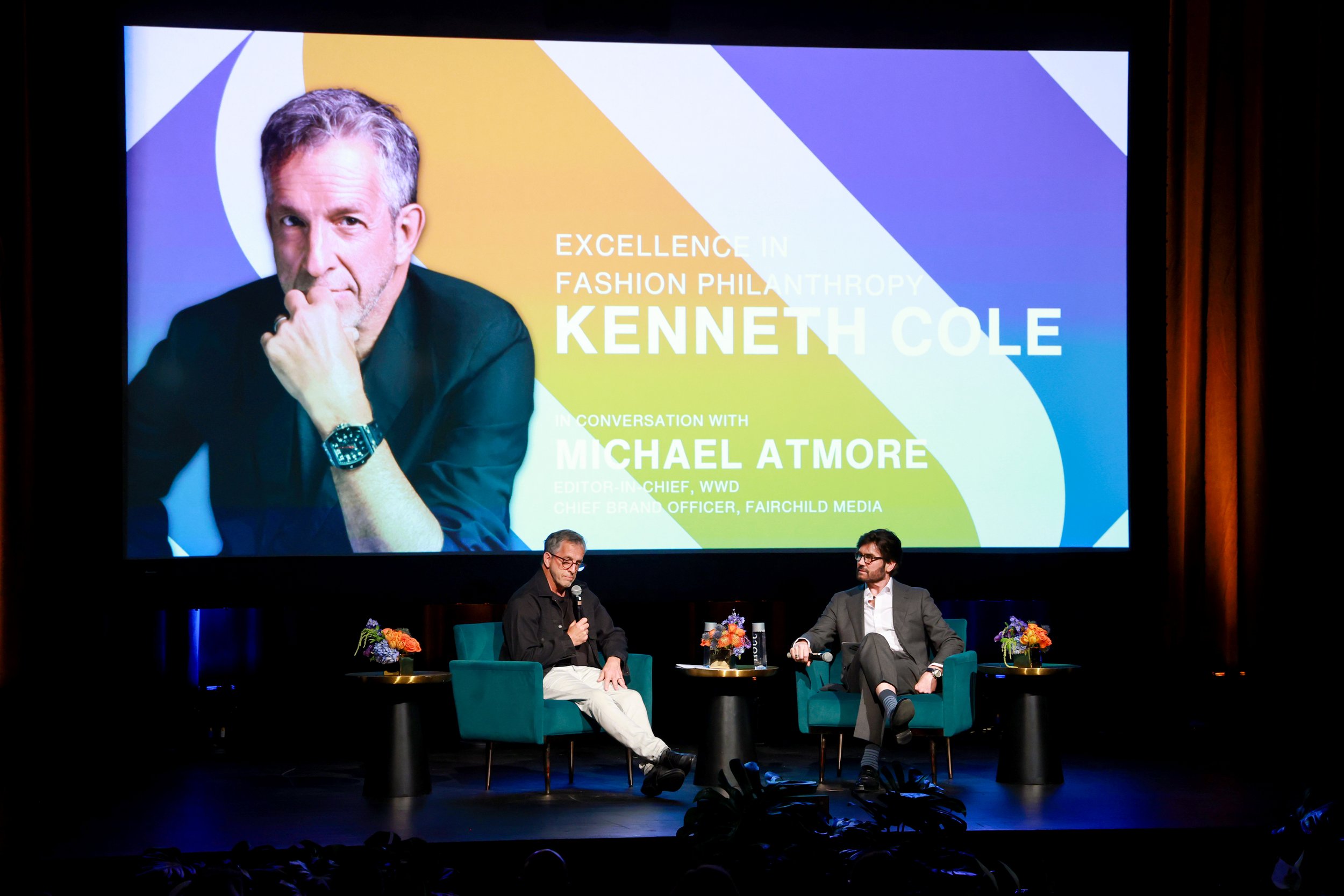
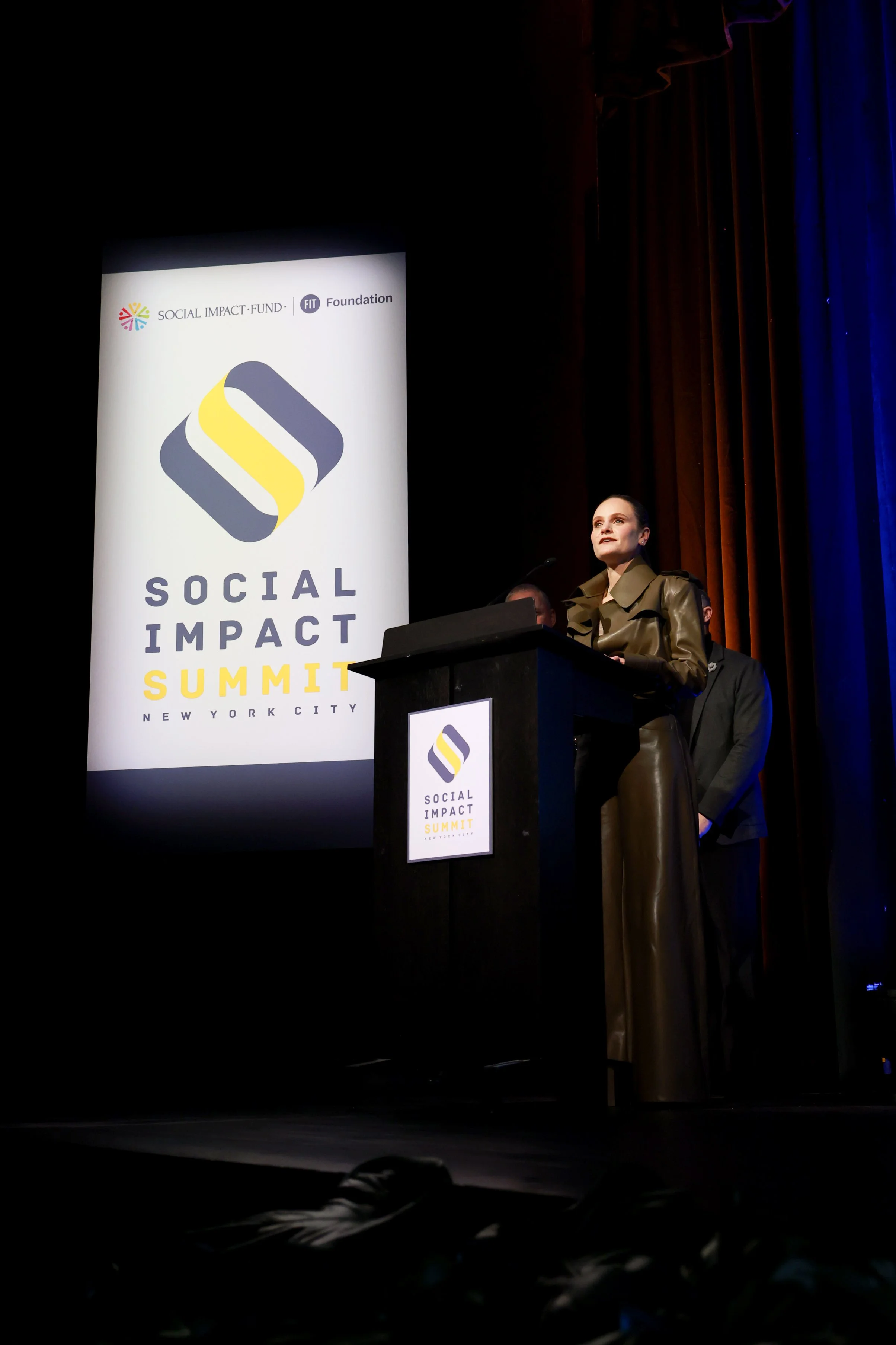
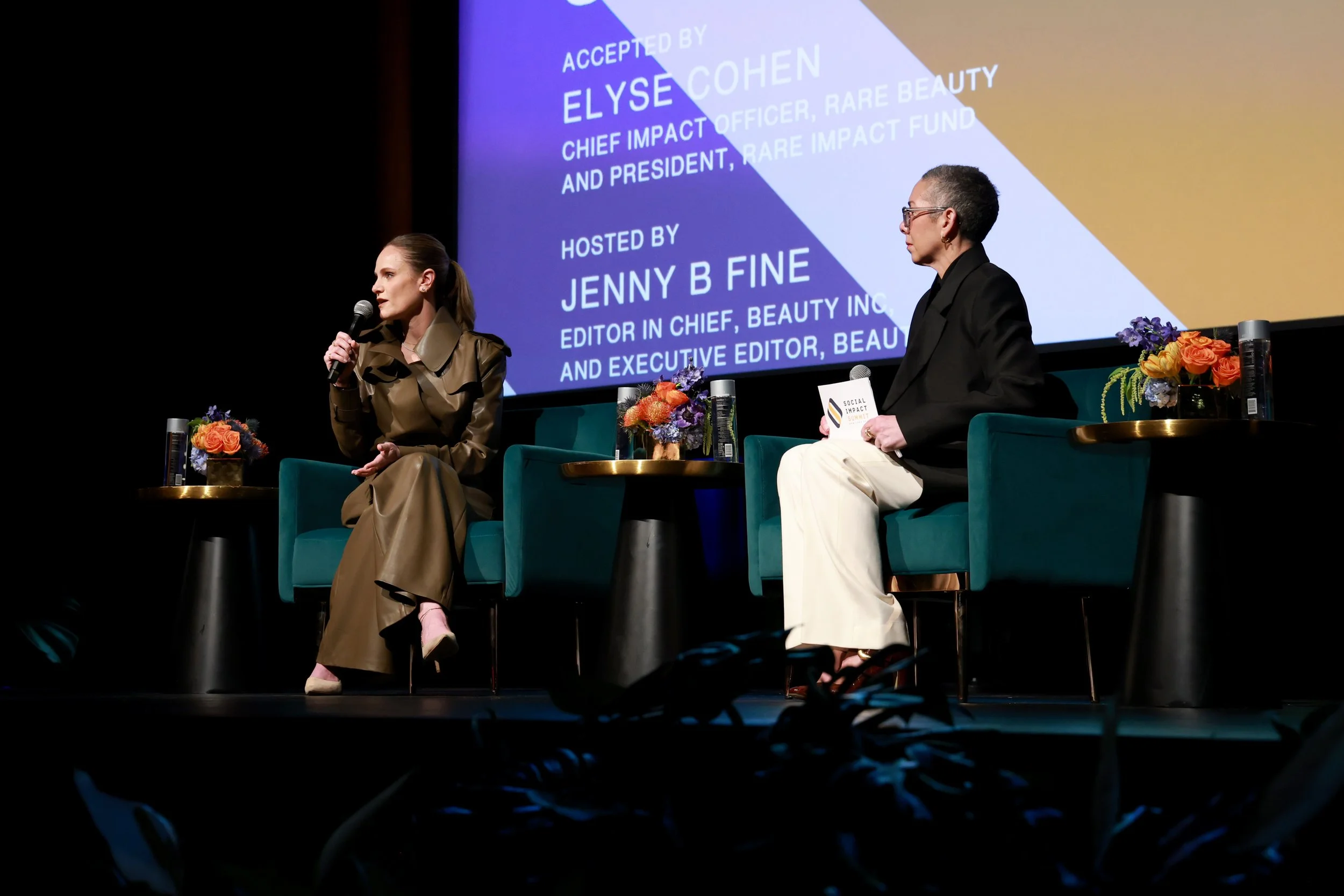
At the center of that conversation are two honorees whose work transcends traditional definitions of influence. Selena Gomez will receive the Excellence in Beauty Philanthropy Award, while Kenneth Cole will be honored for Excellence in Fashion Philanthropy—two figures united by a shared commitment to mental health advocacy, albeit through distinct generational lenses.
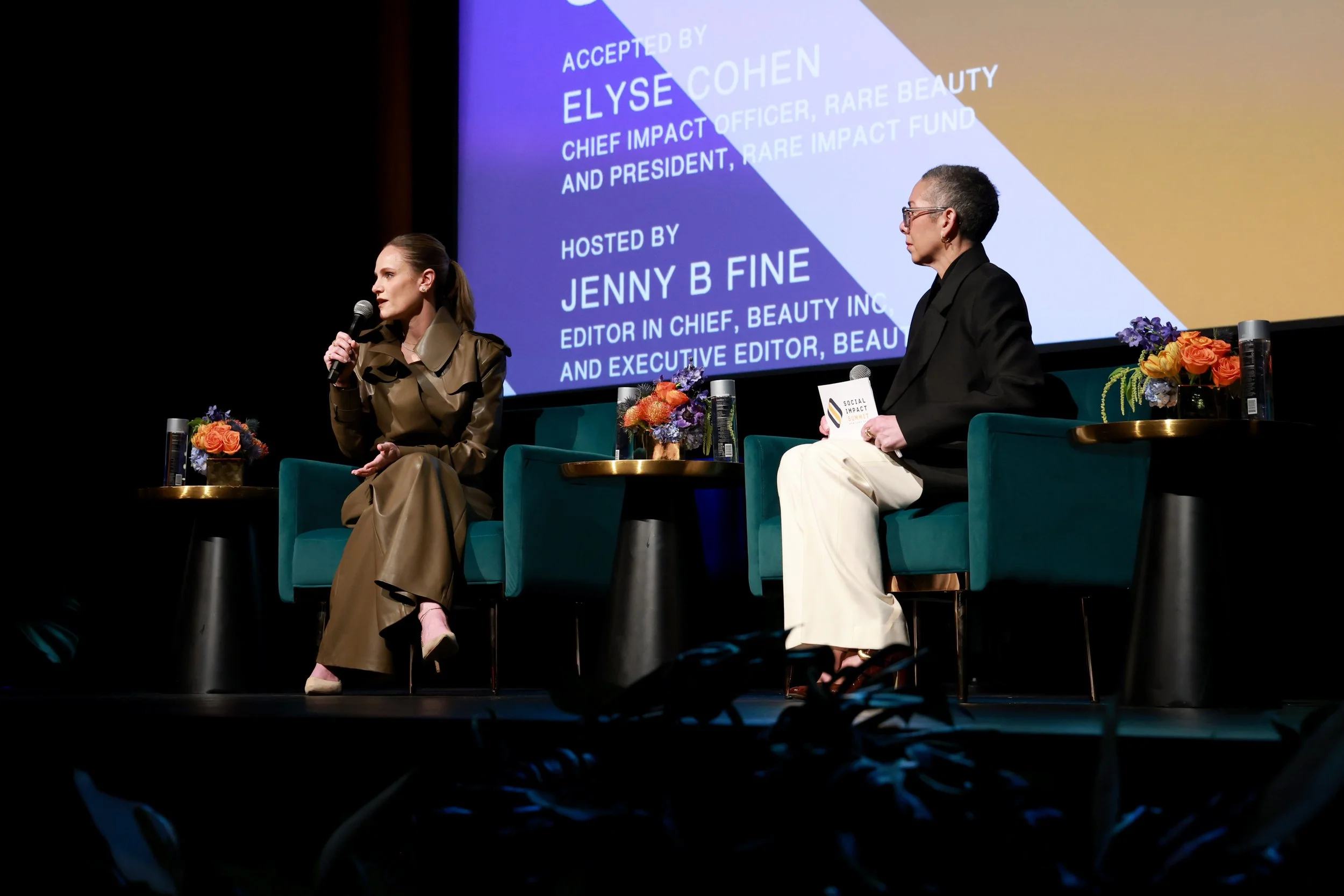
Gomez’s impact, driven through Rare Beauty and the Rare Impact Fund, reflects a new blueprint for celebrity-led enterprise—one where commerce and care are intrinsically linked. “Using my platform in a meaningful way has always been important to me,” Gomez said. “Through the brand and the Rare Impact Fund, we’re working together with partners to expand resources, reduce stigma, and meet young people where they are.” In just five years, that model has mobilized over $30 million toward mental health initiatives globally, signaling a scalable future for purpose-driven beauty.
Cole, by contrast, represents the original architecture of brand activism. Long before purpose became a marketing pillar, his work during the HIV/AIDS crisis established a precedent for fashion as a vehicle for awareness and advocacy. Today, through the Mental Health Coalition, he continues to evolve that legacy. “Business and philanthropy are not independent; they are in fact interdependent,” Cole noted. “I remain committed to continuing this important work.”
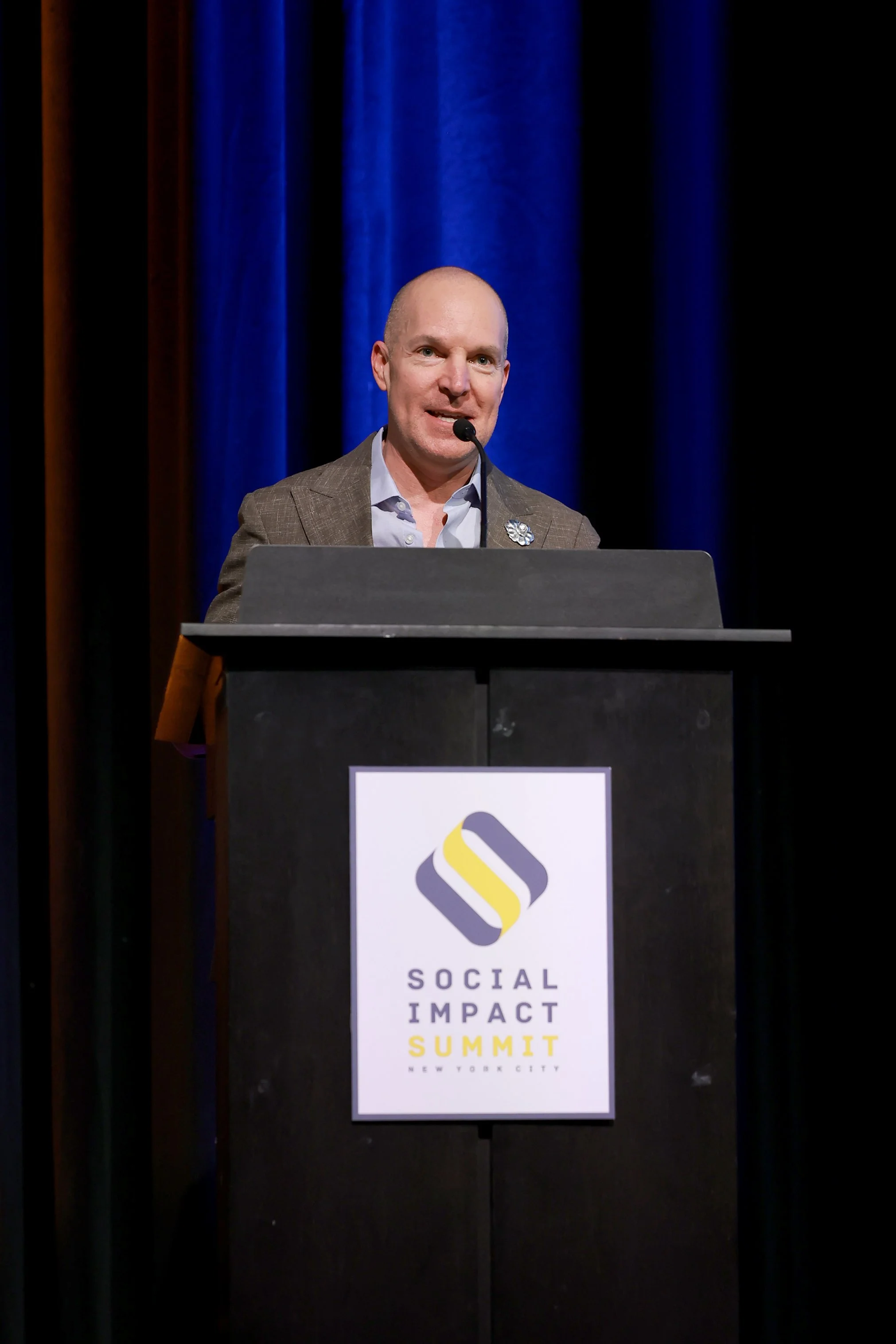
Yet the summit’s significance extends beyond its honorees. It is, as Phil McCarty, Executive Director of the FIT Foundation, frames it, a deliberate convergence of culture and infrastructure. “We are here hosting the Social Impact Summit along with the Social Impact Fund,” McCarty explained. “They work with some of the top names in entertainment on helping them, in essence, run their foundations and their philanthropic efforts.”
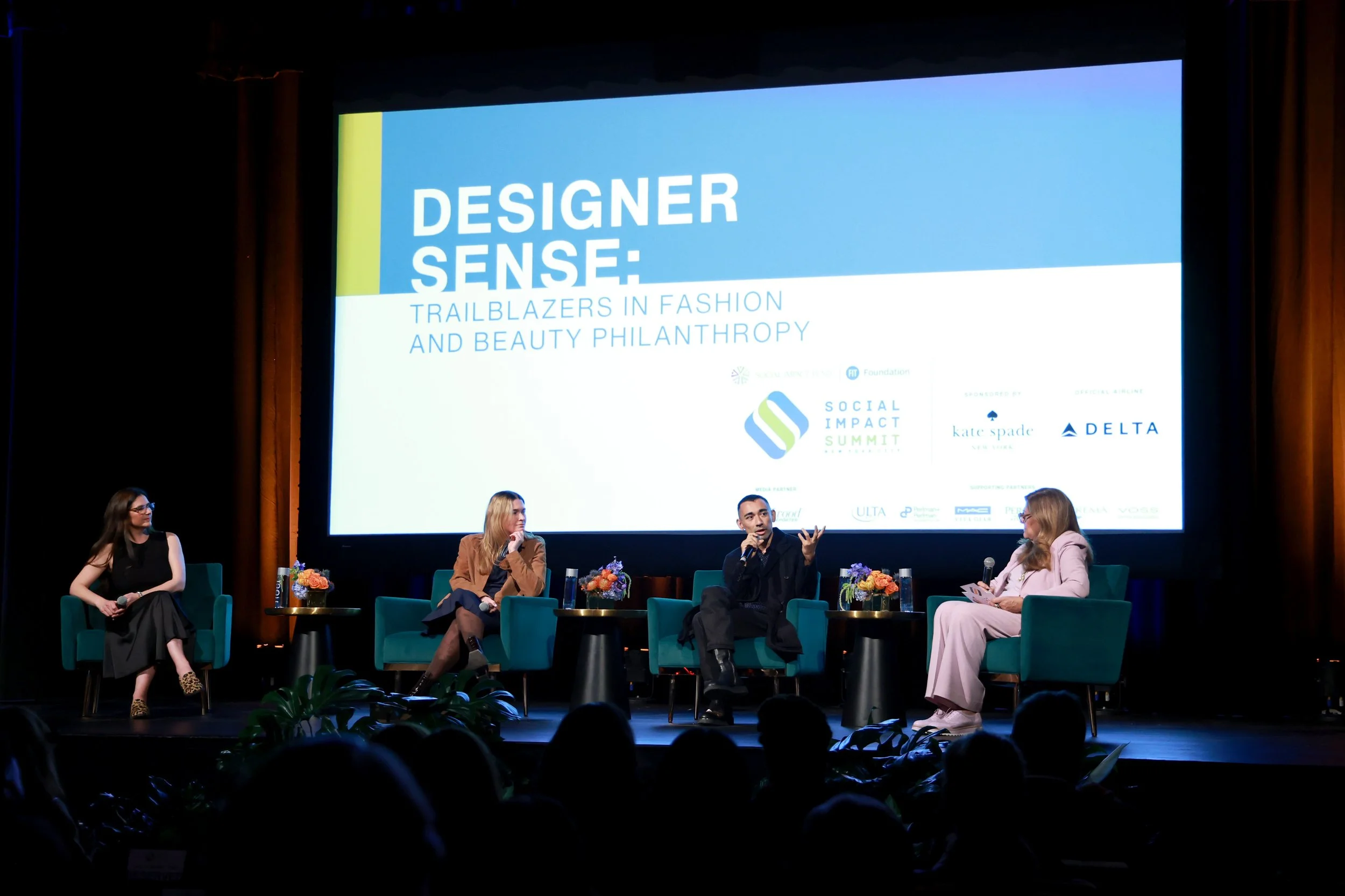
That operational backbone—often invisible to the public—underscores a broader shift: impact is no longer ancillary to brand-building; it is foundational. McCarty points to the natural alignment between FIT and the Social Impact Fund as the catalyst for bringing the summit to New York. “We decided that we would bring a beauty and fashion summit to New York… because of all we’re doing here at FIT in sustainability and purpose-driven work,” he said. “It was really just a natural fit.”
The decision to honor Gomez and Cole, he adds, reflects a deeper thematic cohesion. “Both of them have just been phenomenal—not only trailblazers, but one of a kind when it comes to all that they’re doing,” McCarty noted. “It’s interesting because both of them are working in the mental health space… so it was really just a natural for the two of them to be those who we’re honoring this year.”
For Fern Mallis—a founding force behind New York Fashion Week and a member of the FIT Foundation board—the summit represents something more philosophical: a recalibration of what success looks like in fashion today. “It’s important to learn not just how to be good, but how to do good,” Mallis said. “How to make your work meaningful and how to give back always to the community.”
Her perspective speaks to a generational shift within the industry, one where emerging designers are being trained not only in craft, but in conscience. “We need to keep that bar raised high,” she continued, “for people to know that they can do good, be better, and make lives better with their beauty products, with their fashion products—with anything.”
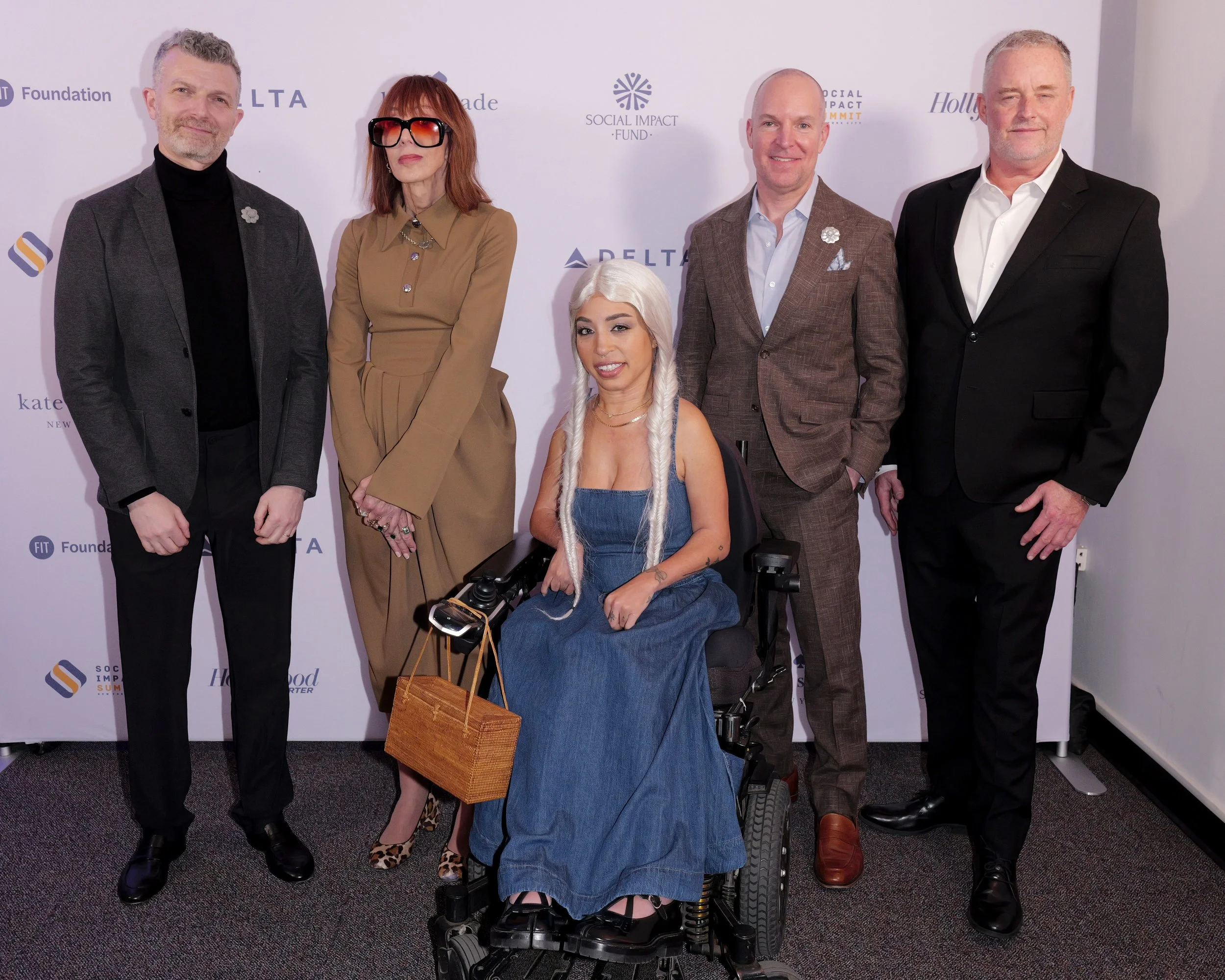
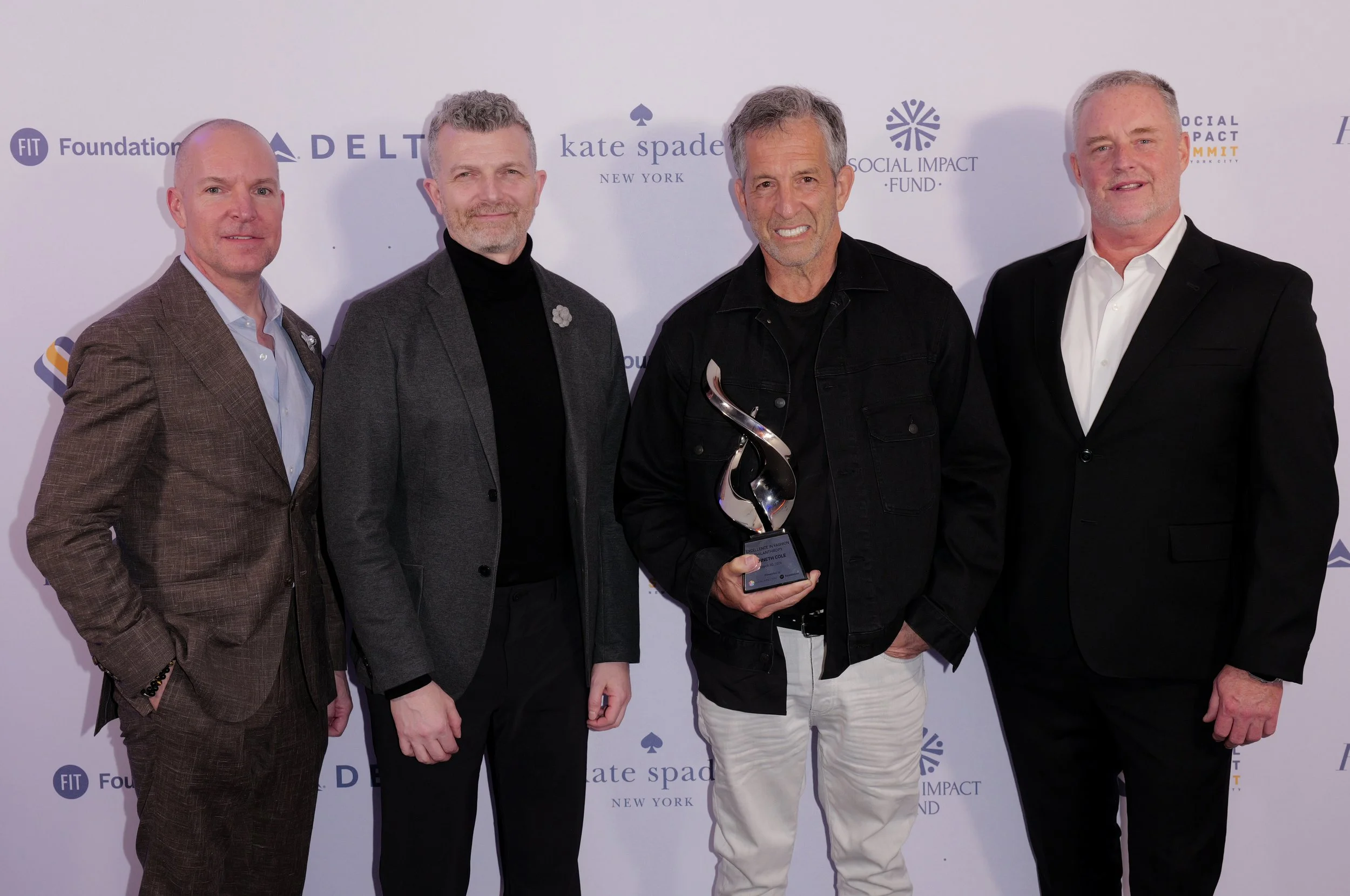
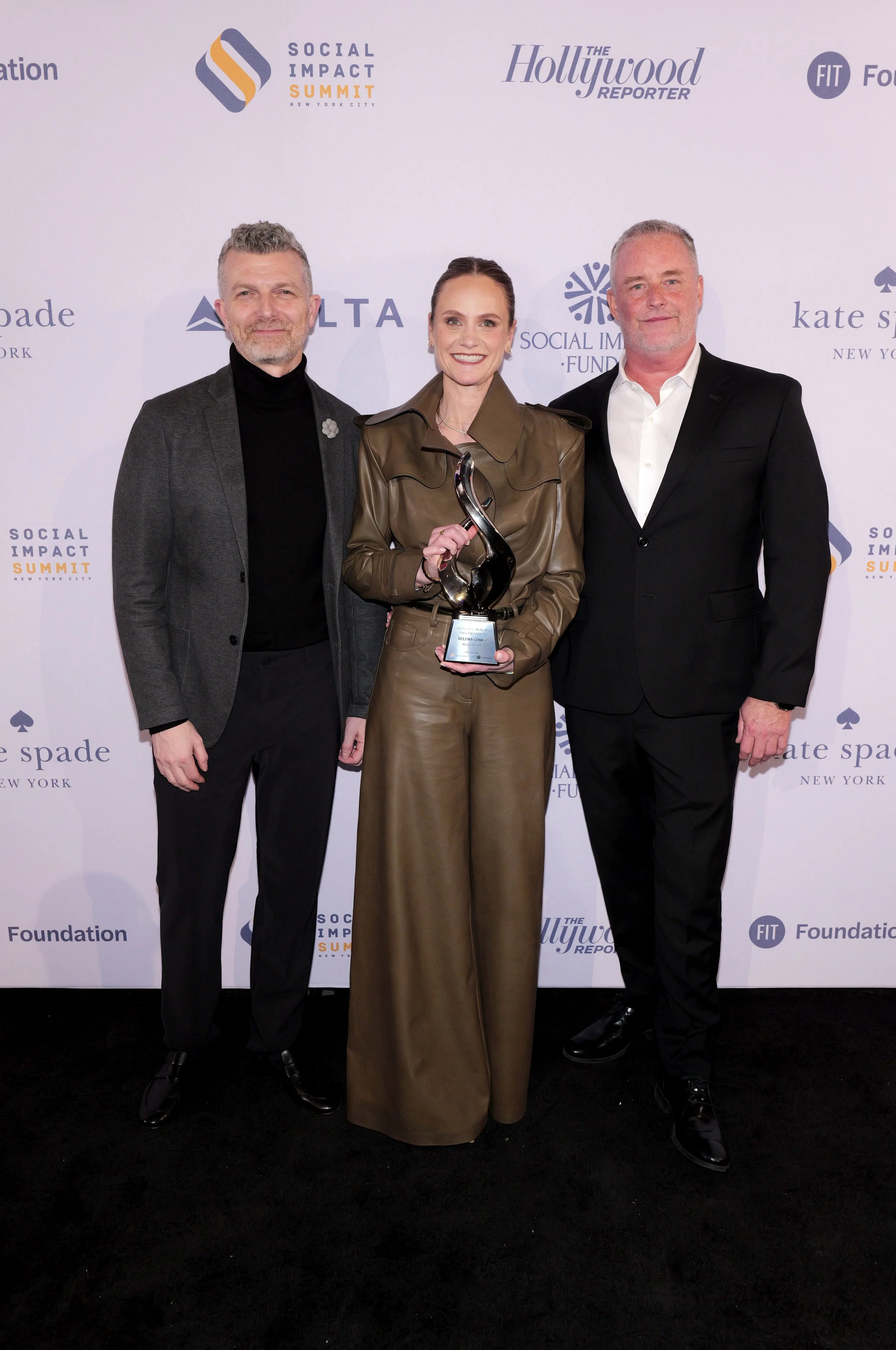
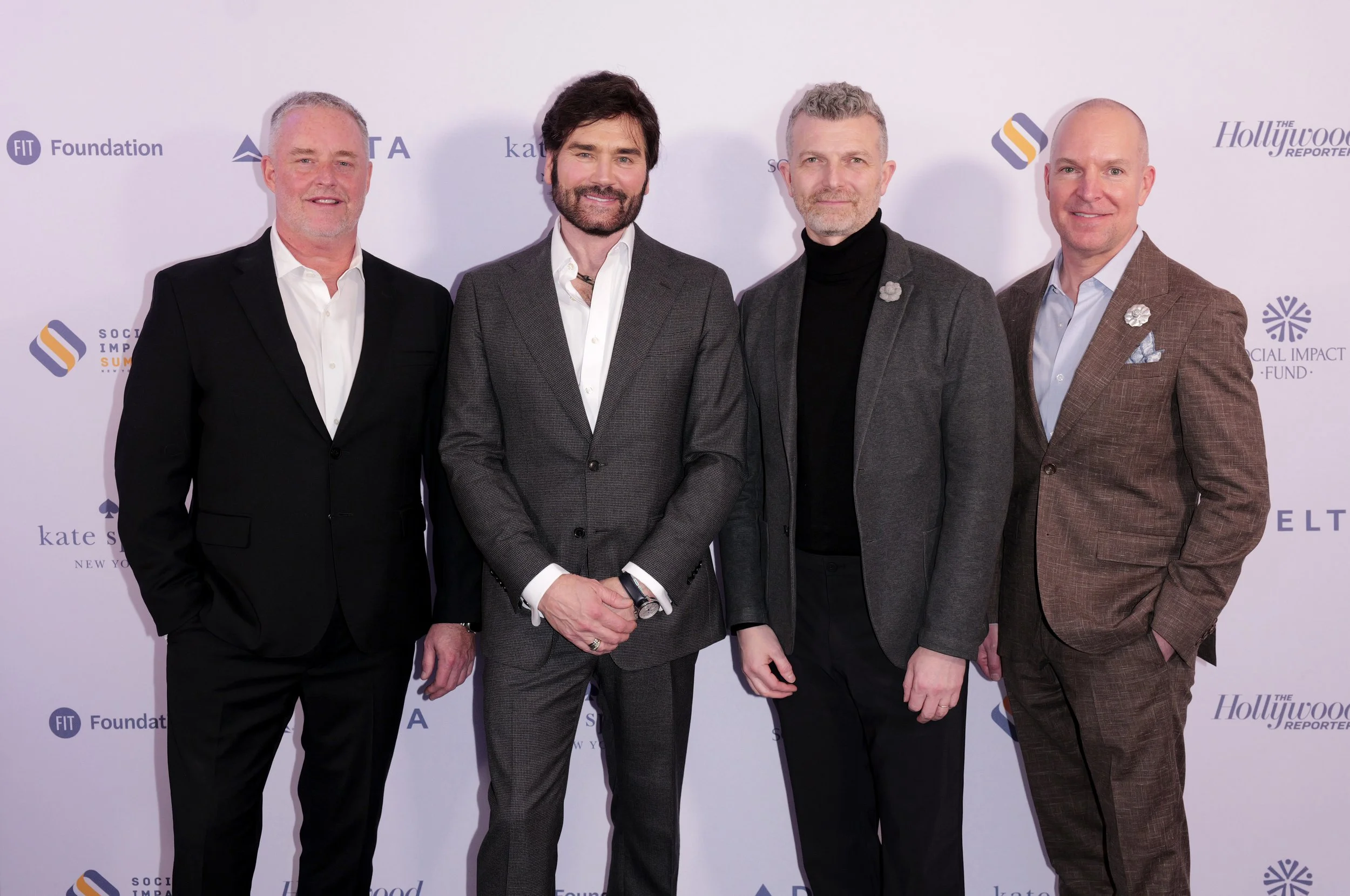
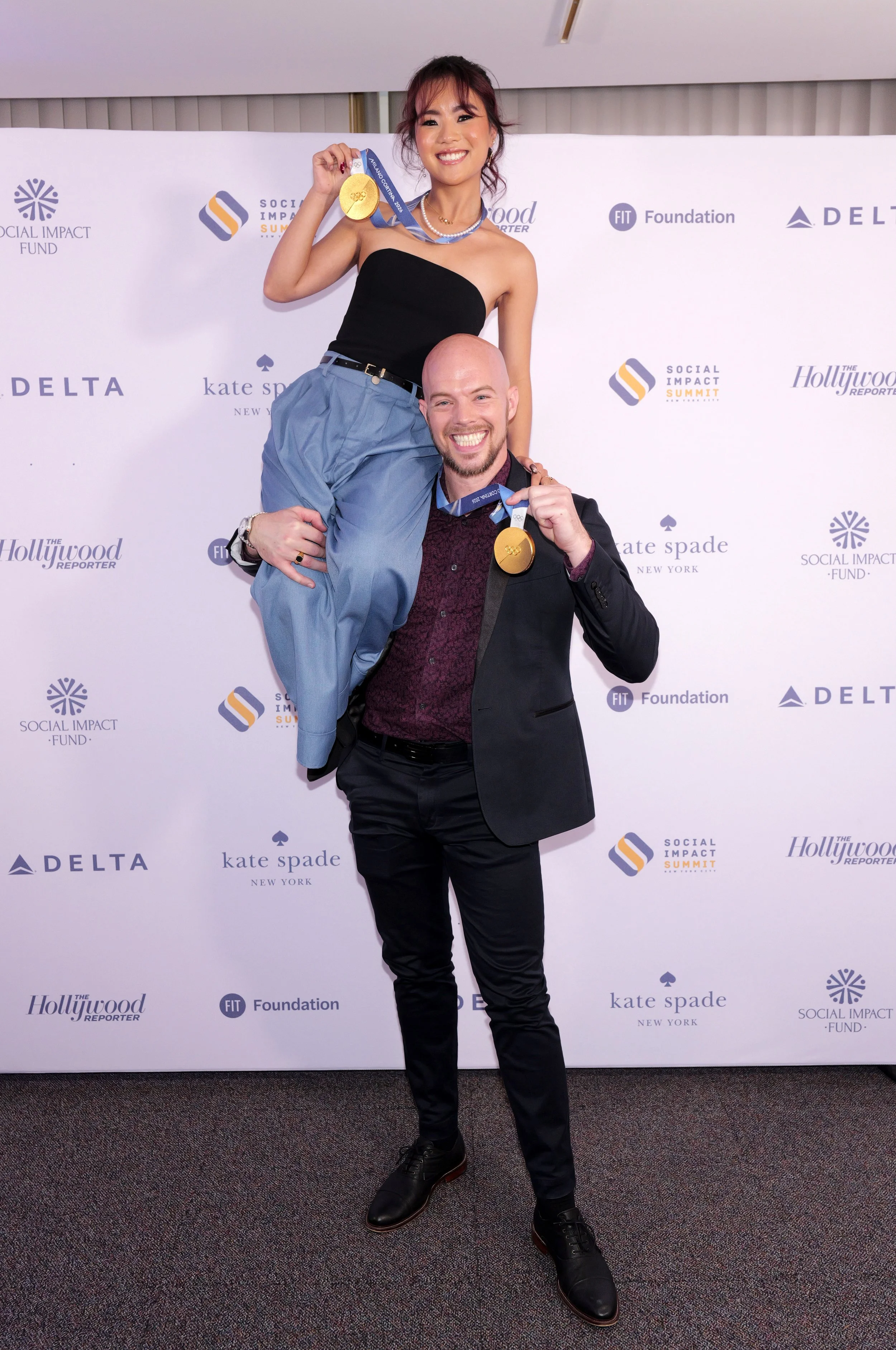
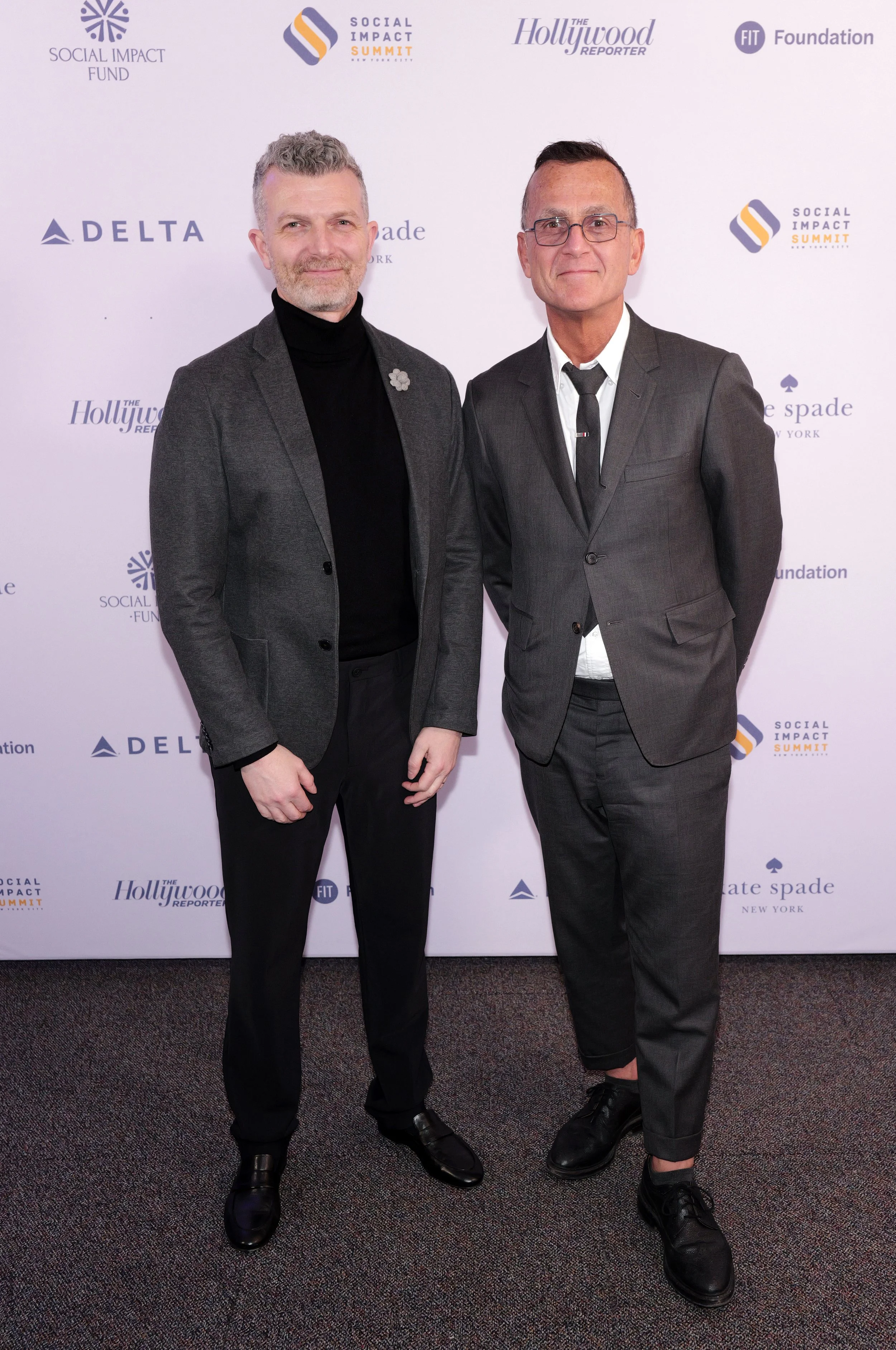
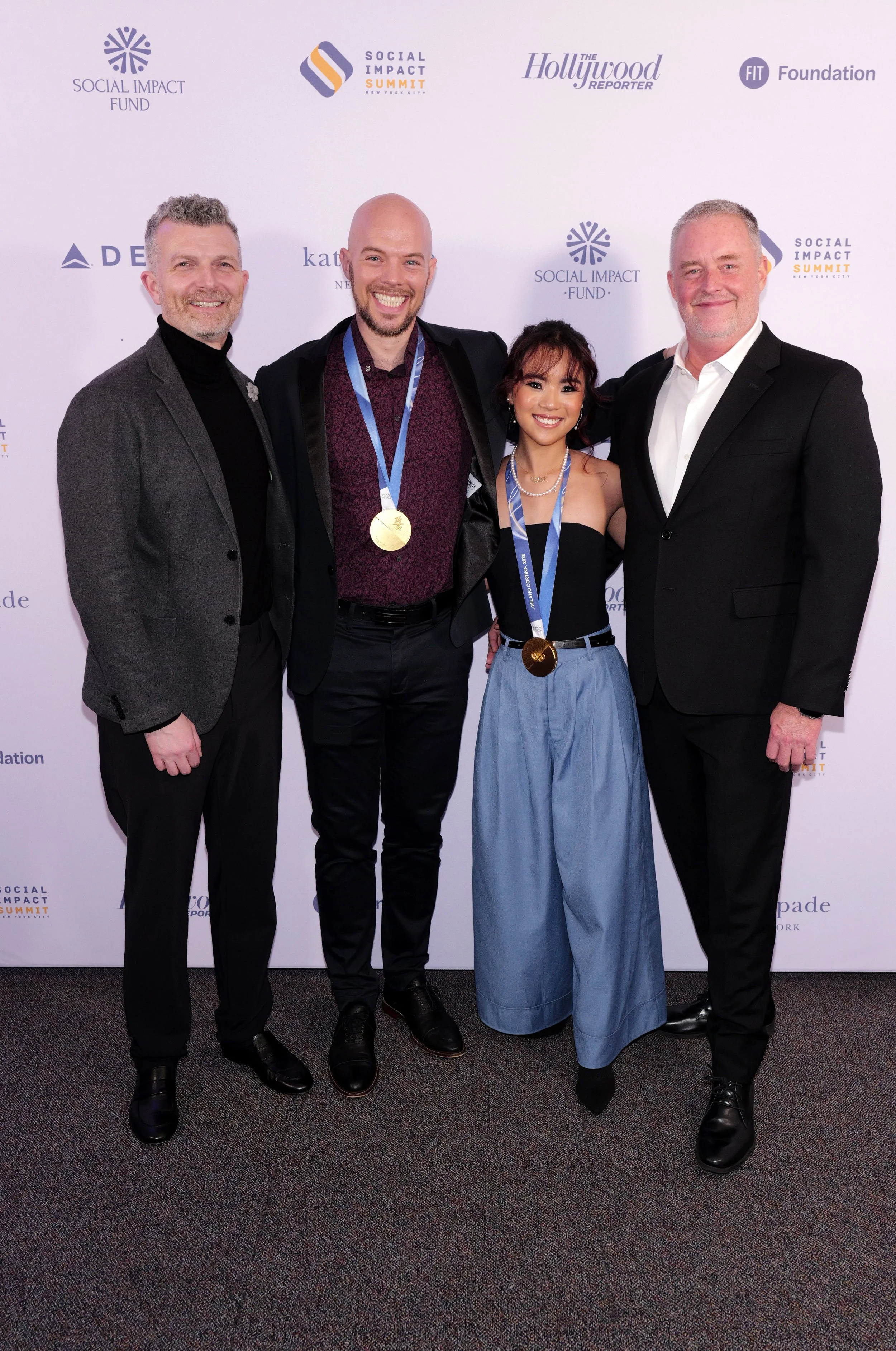
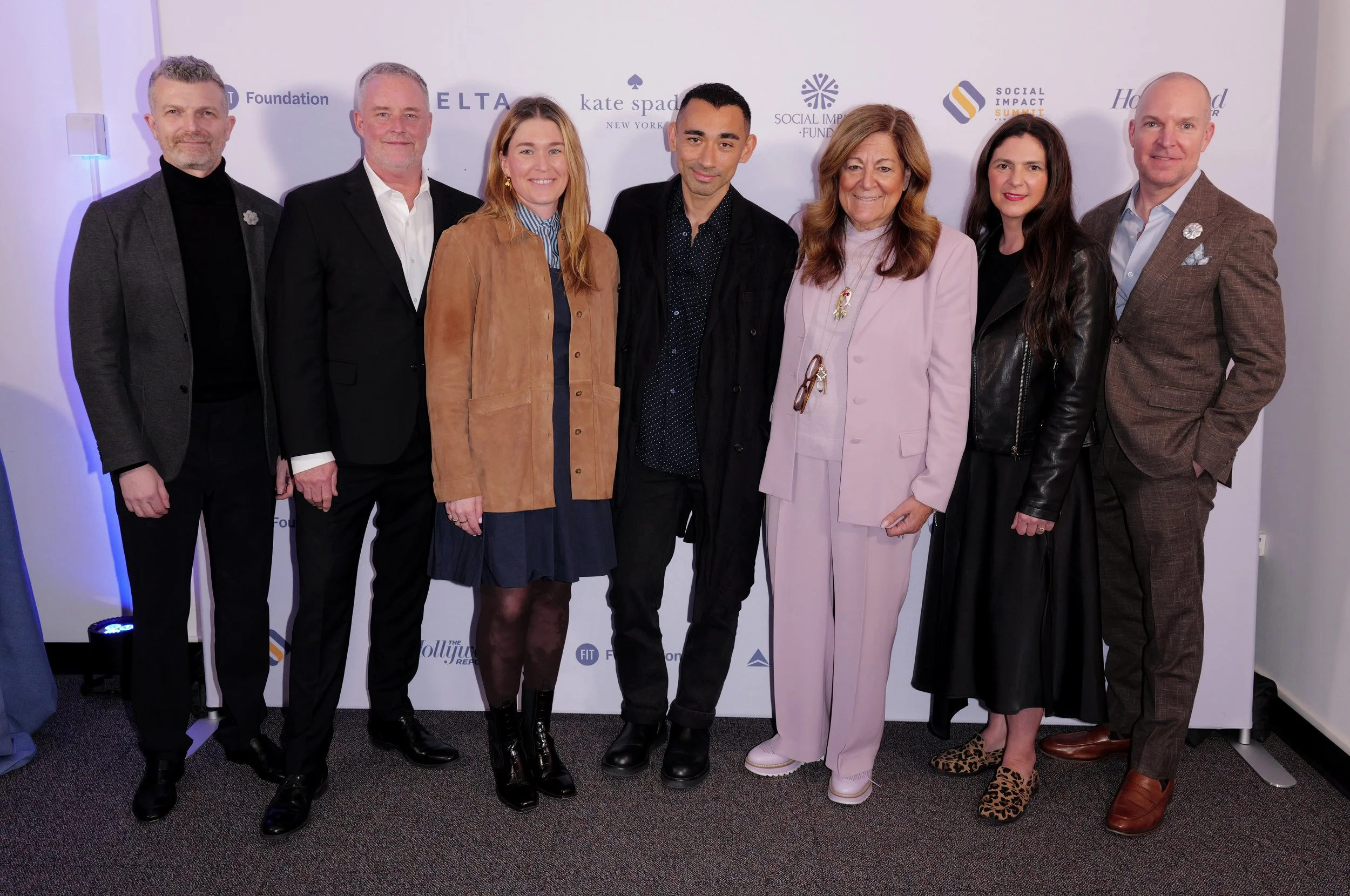
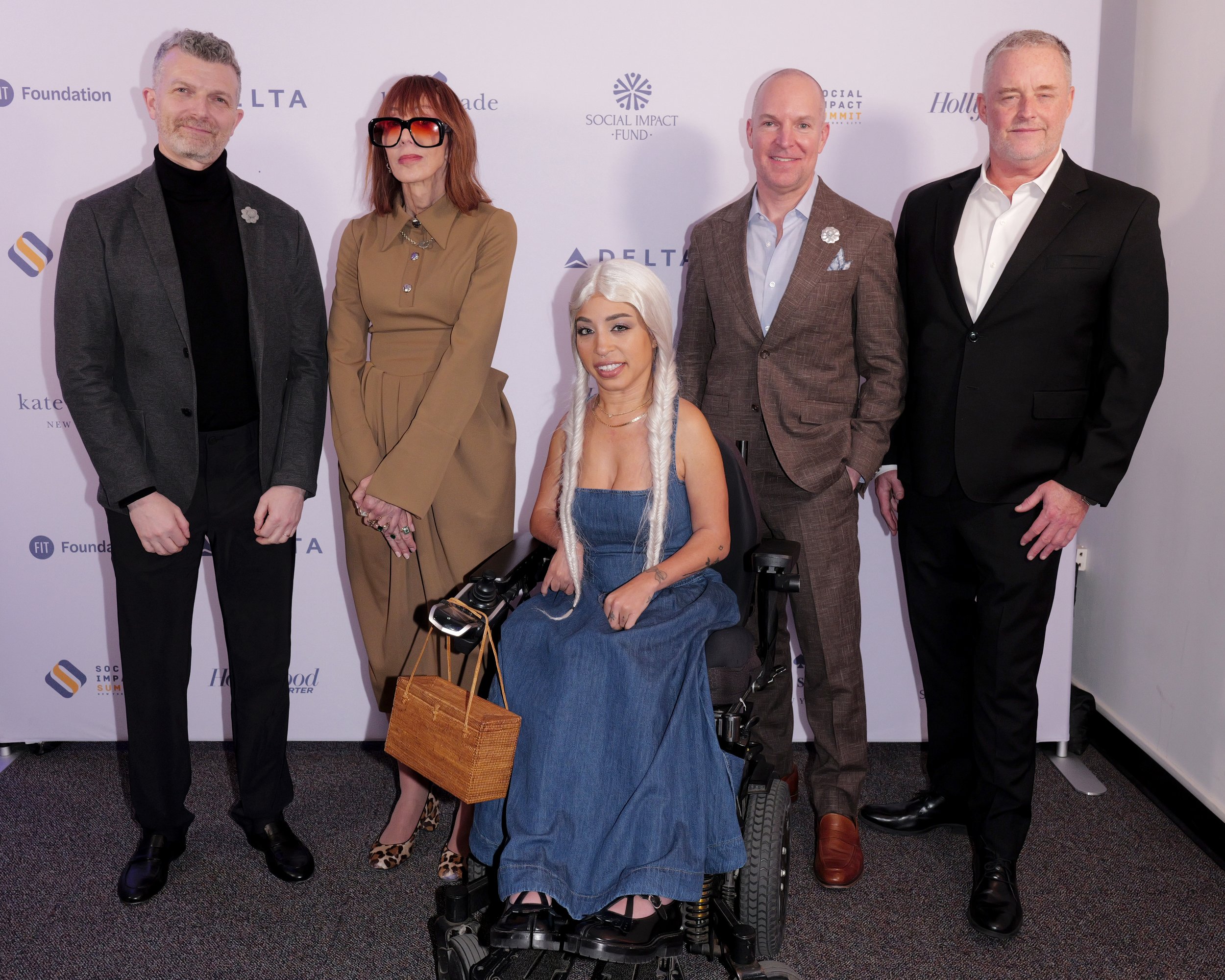
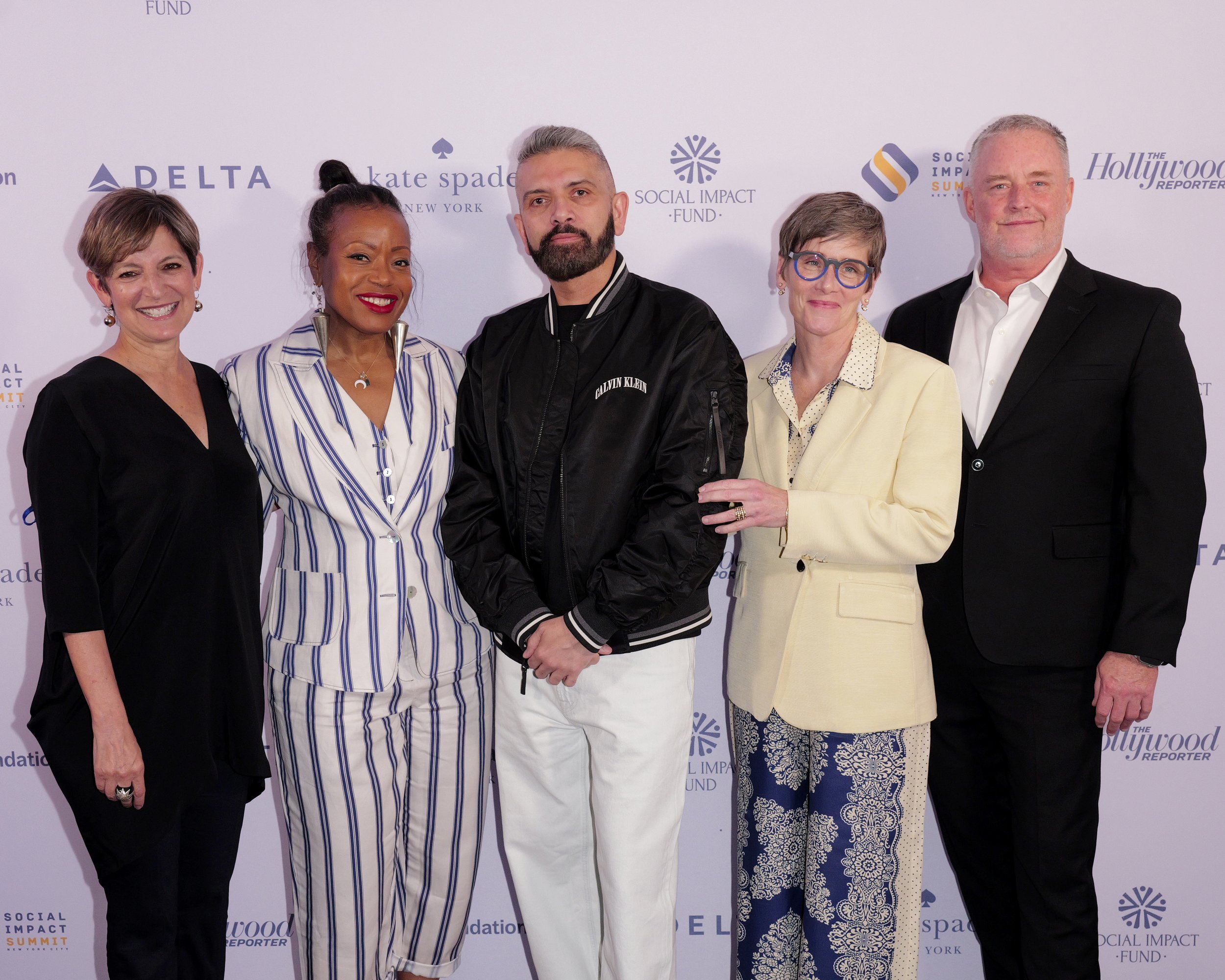
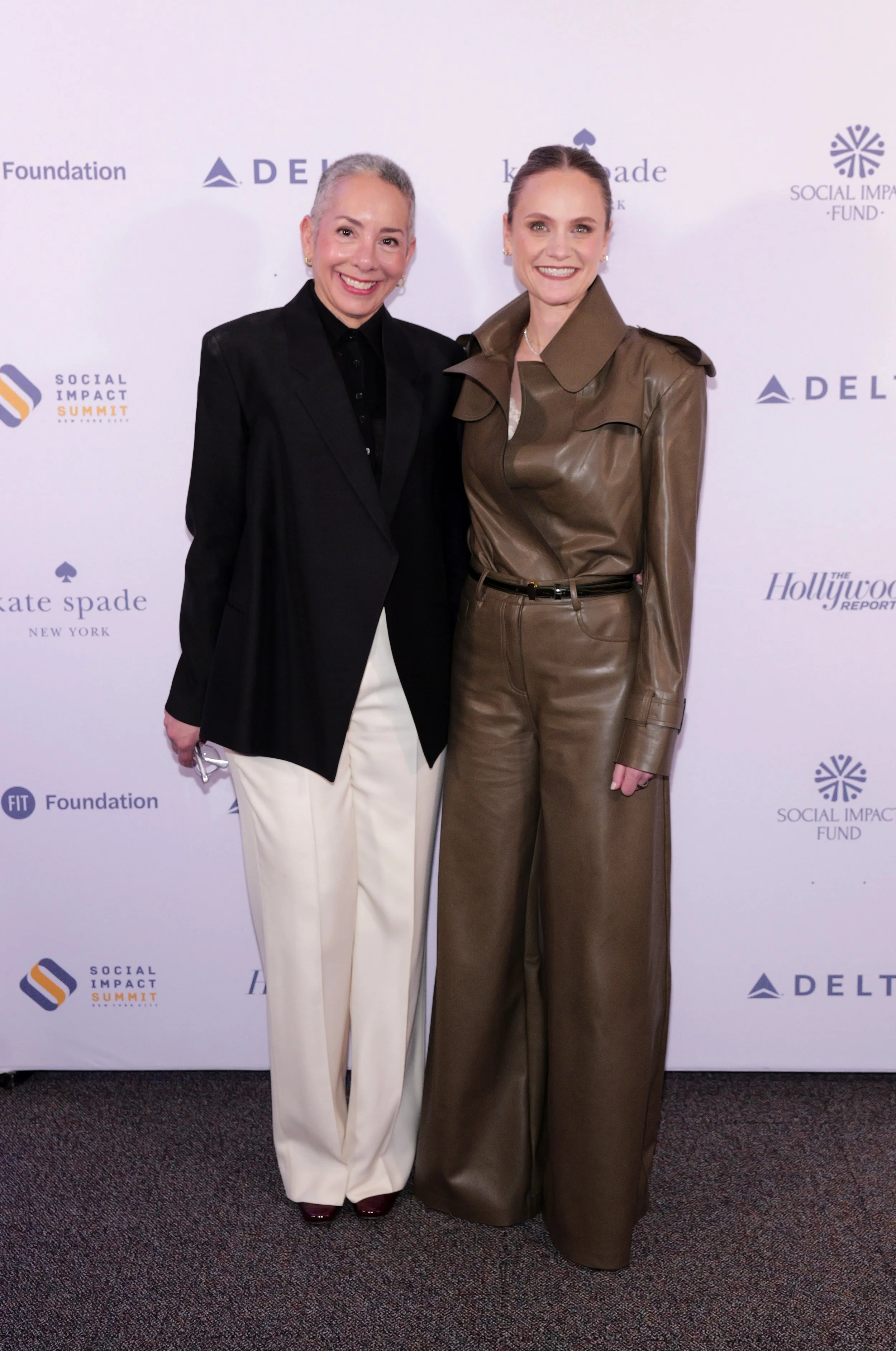
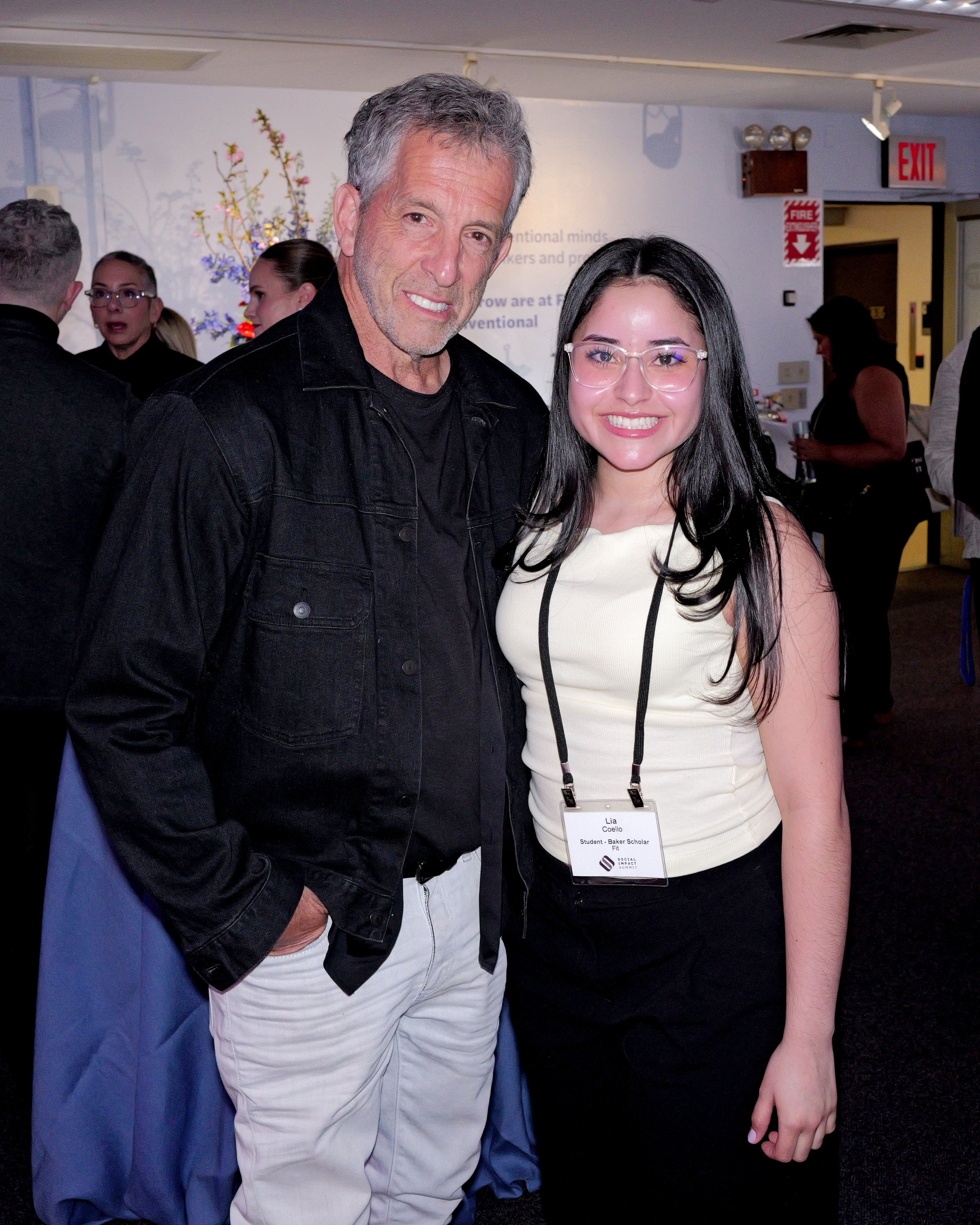
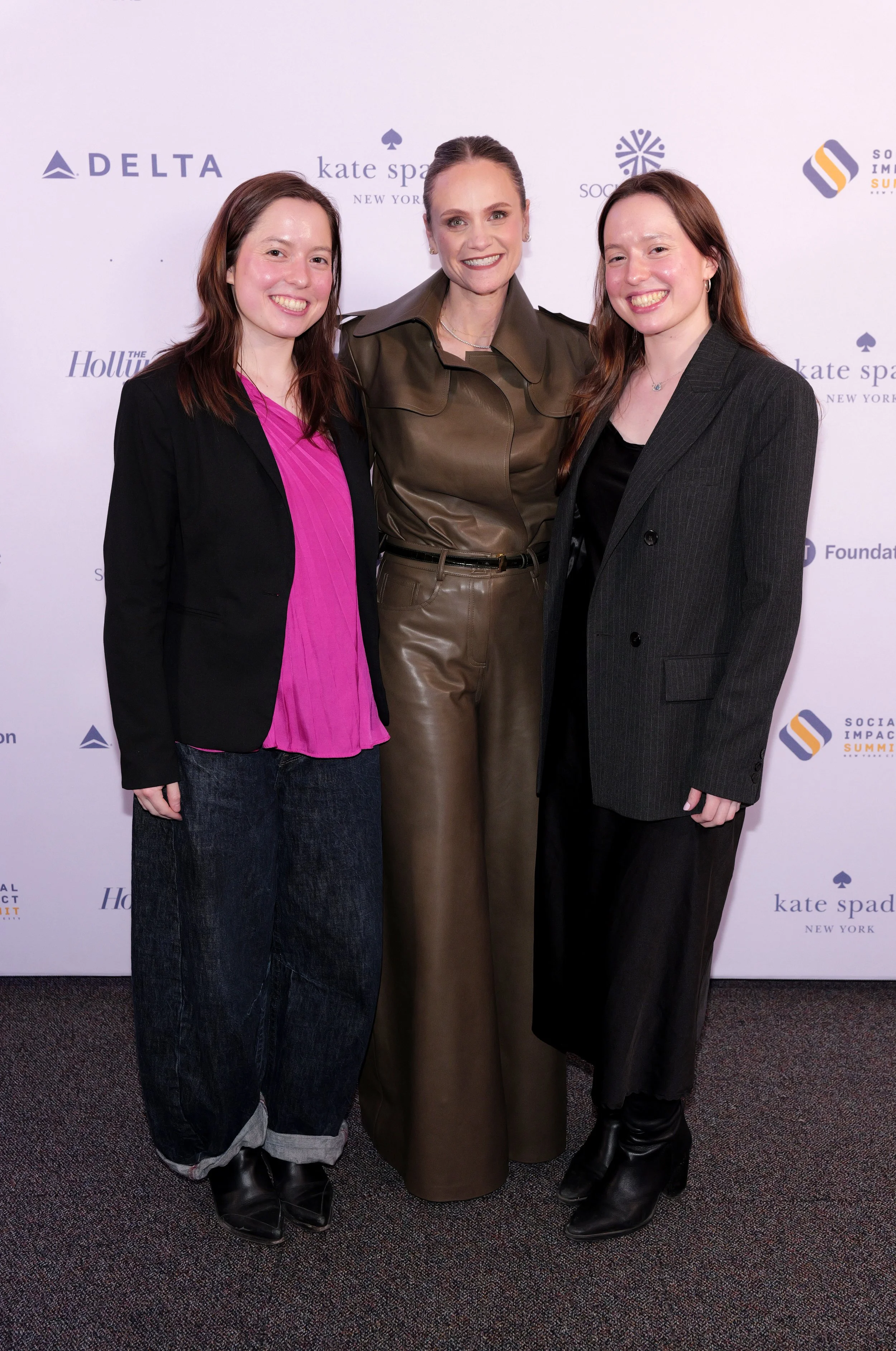
Carpet Photos (by Craig Barritt/The Hollywood Reporter via Getty Images)
That ethos is embedded in FIT’s evolving curriculum and ecosystem, where partnerships with corporations and real-world activations provide students with a tangible pathway from classroom to commerce. Mallis points to recent collaborations—such as student designs being manufactured and sold nationally—as proof that opportunity and impact can coexist. “Those are the kinds of things we love to see happen,” she said. “Helping students realize their dreams.”
If the luxury industry has historically been defined by aspiration, the 2026 Social Impact Summit suggests its future may be defined by accountability. In bringing together legacy figures and next-generation voices, the event doesn’t just celebrate philanthropy—it reframes it as a strategic imperative.
Because in today’s cultural economy, purpose is no longer a differentiator. It is the baseline.
HOW DO YOU FEEL ABOUT FASHION?
COMMENT OR TAKE OUR PAGE READER SURVEY
Featured





Digital rewards strengthen luxury through practical service, selective access, and thoughtful personalization that keeps each purchase valuable for longer.