
Adidas Reimagines Retail As Culture With Its SoHo Flagship And SS26 Creative Class
PAGE
By PAGE Editor
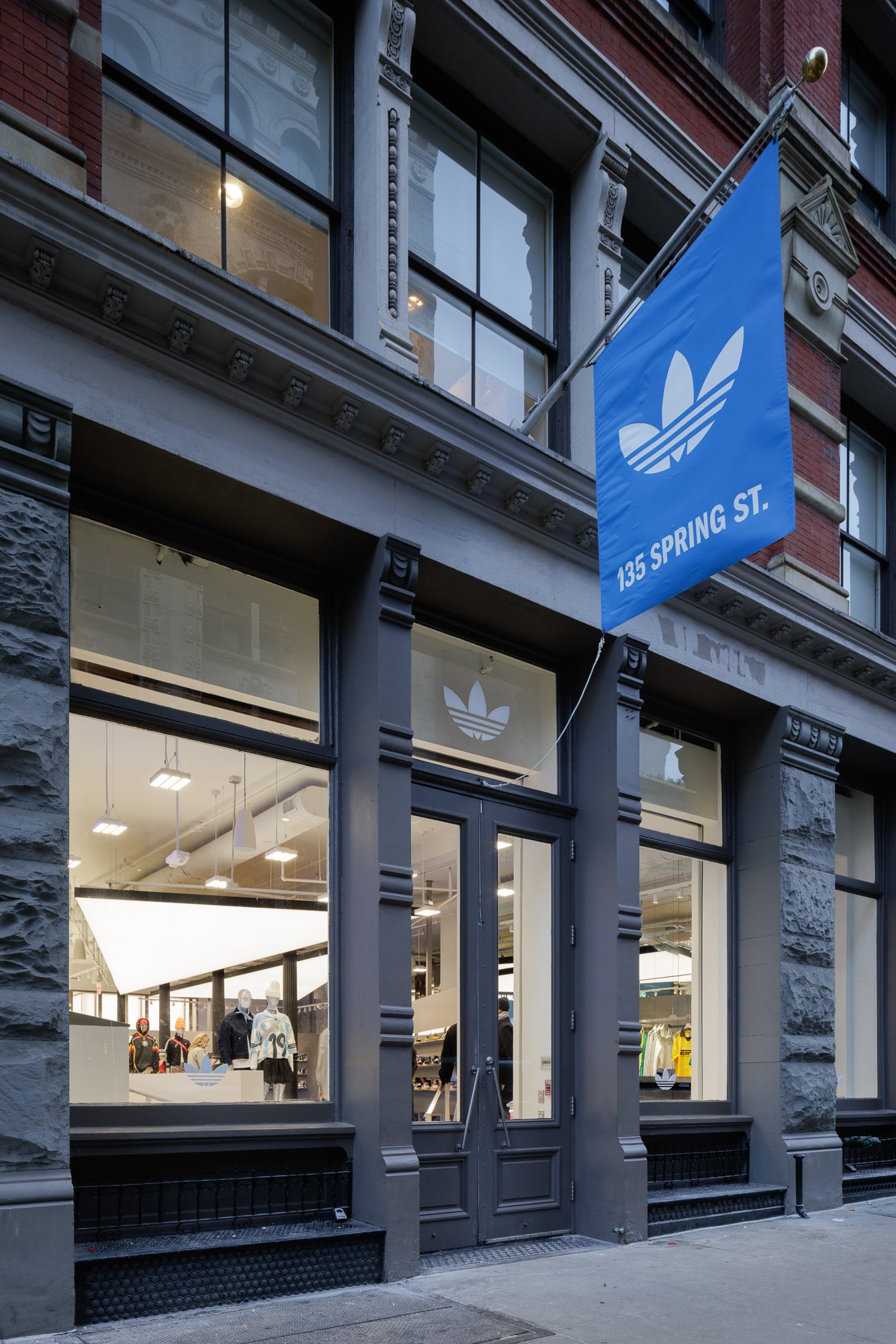
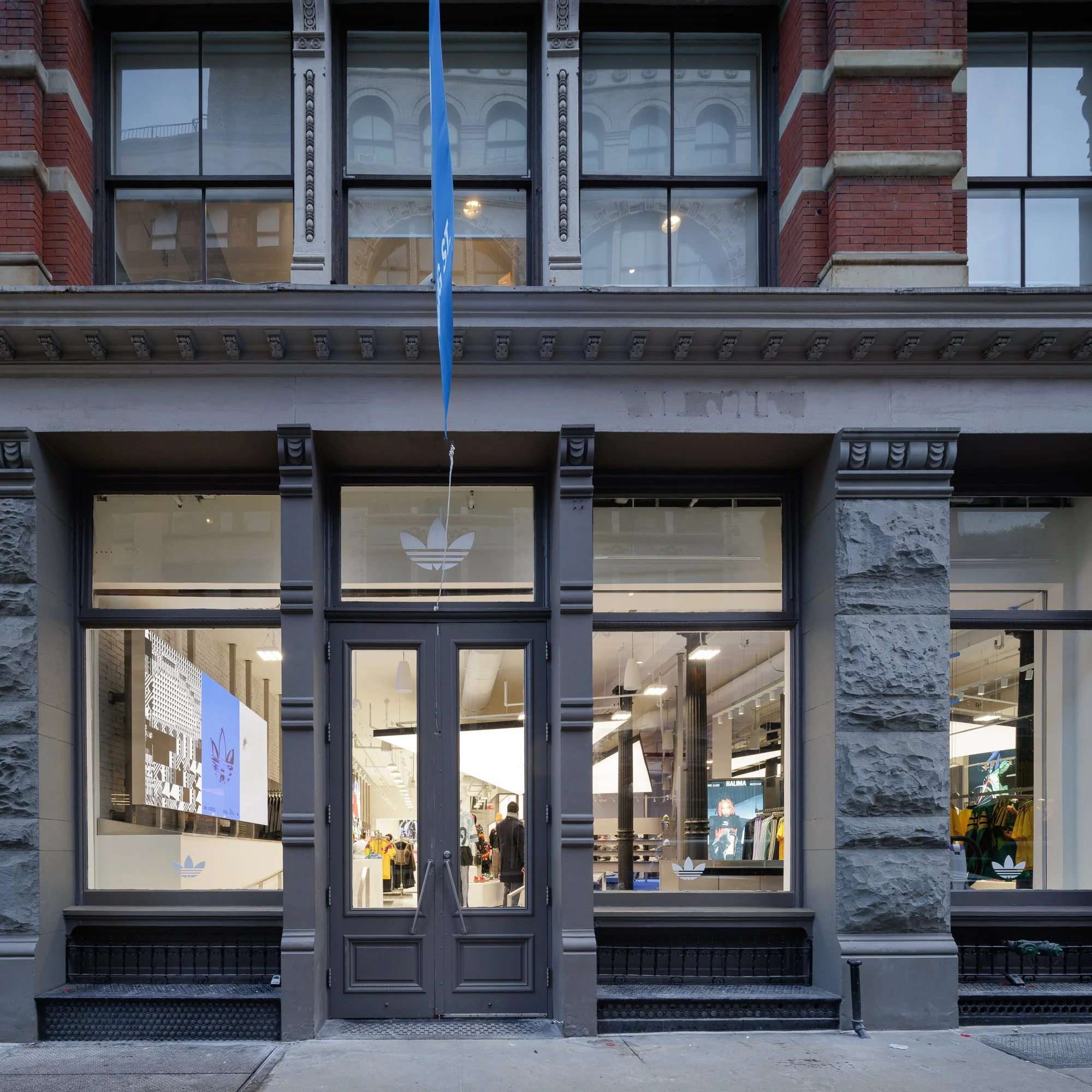
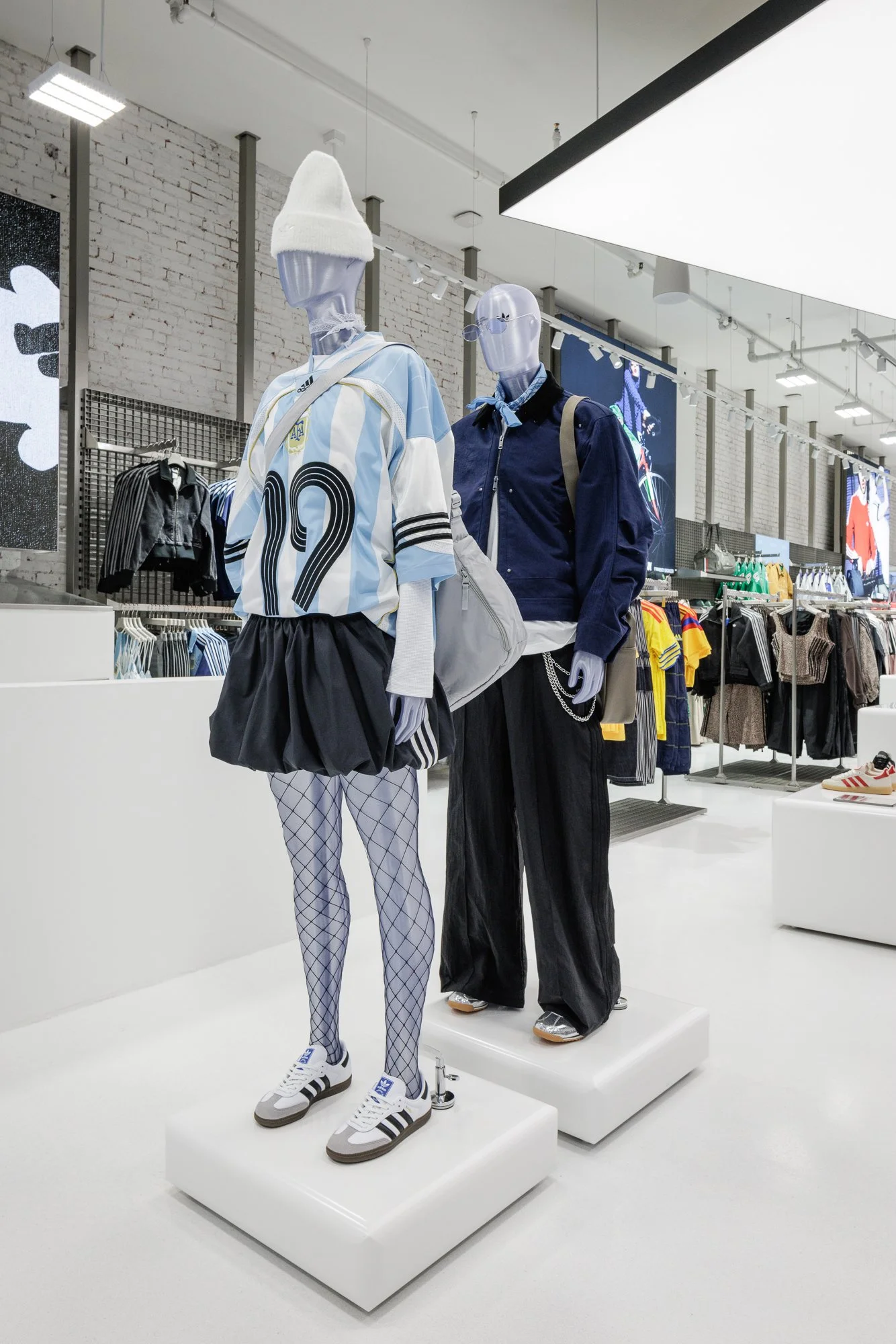
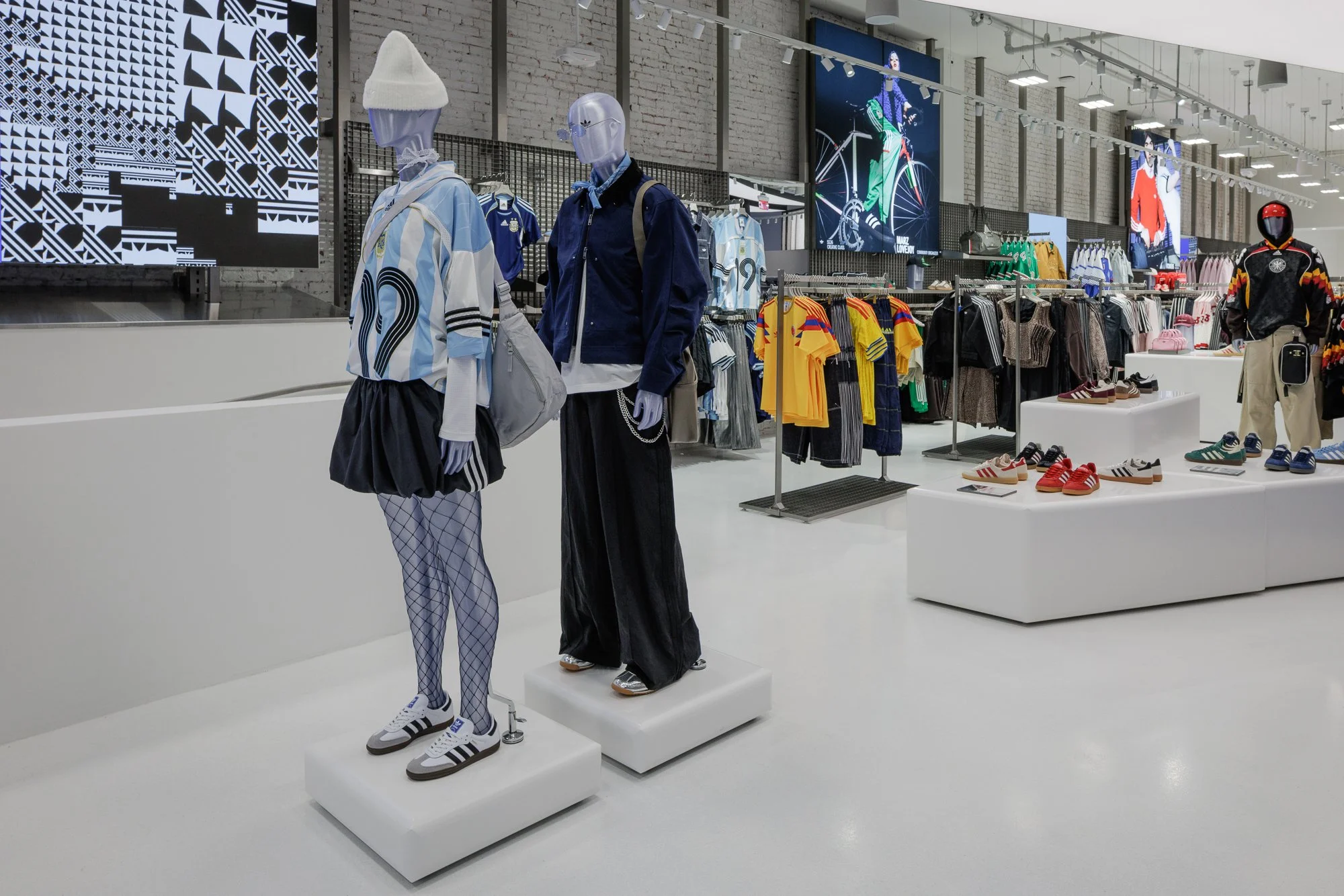
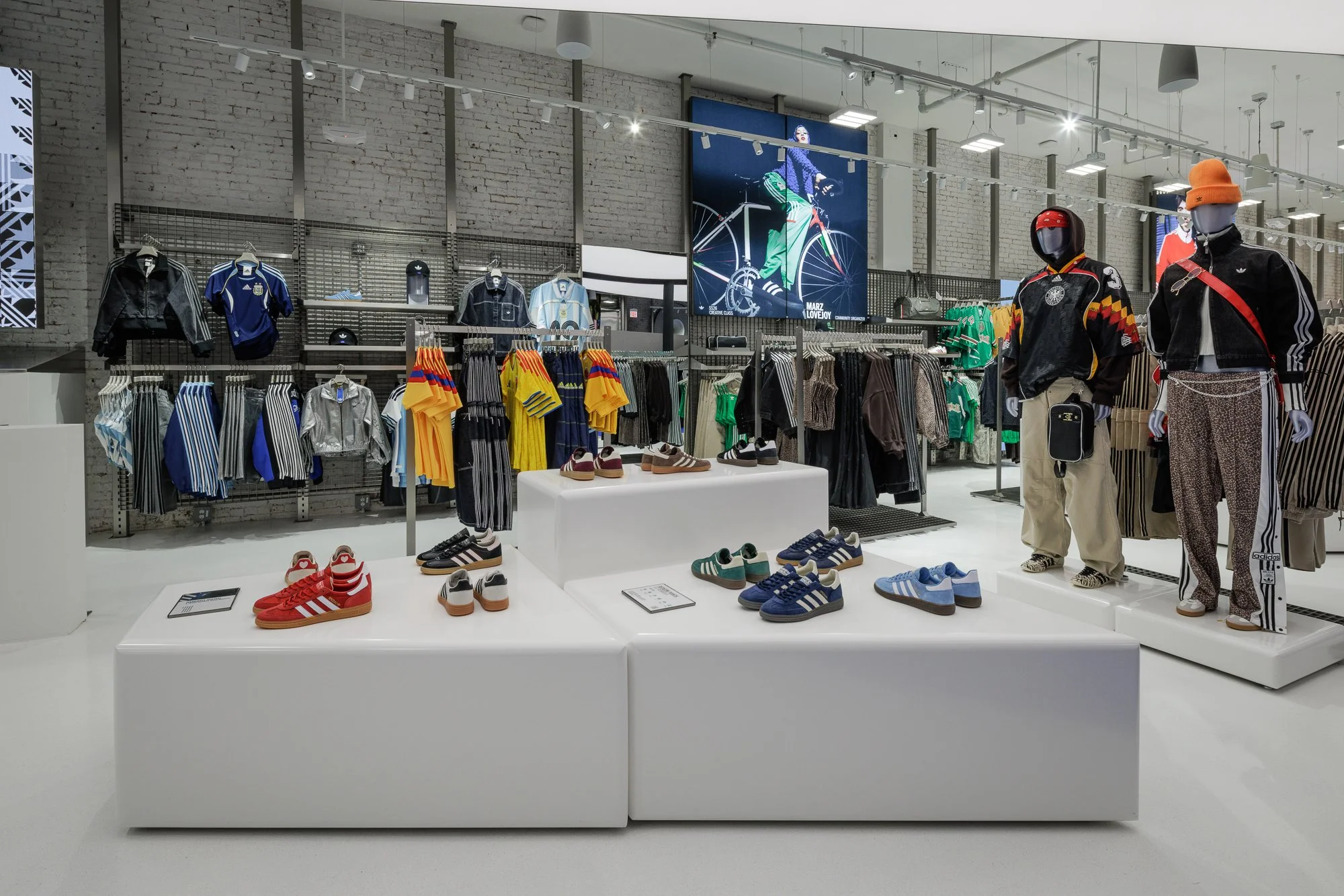
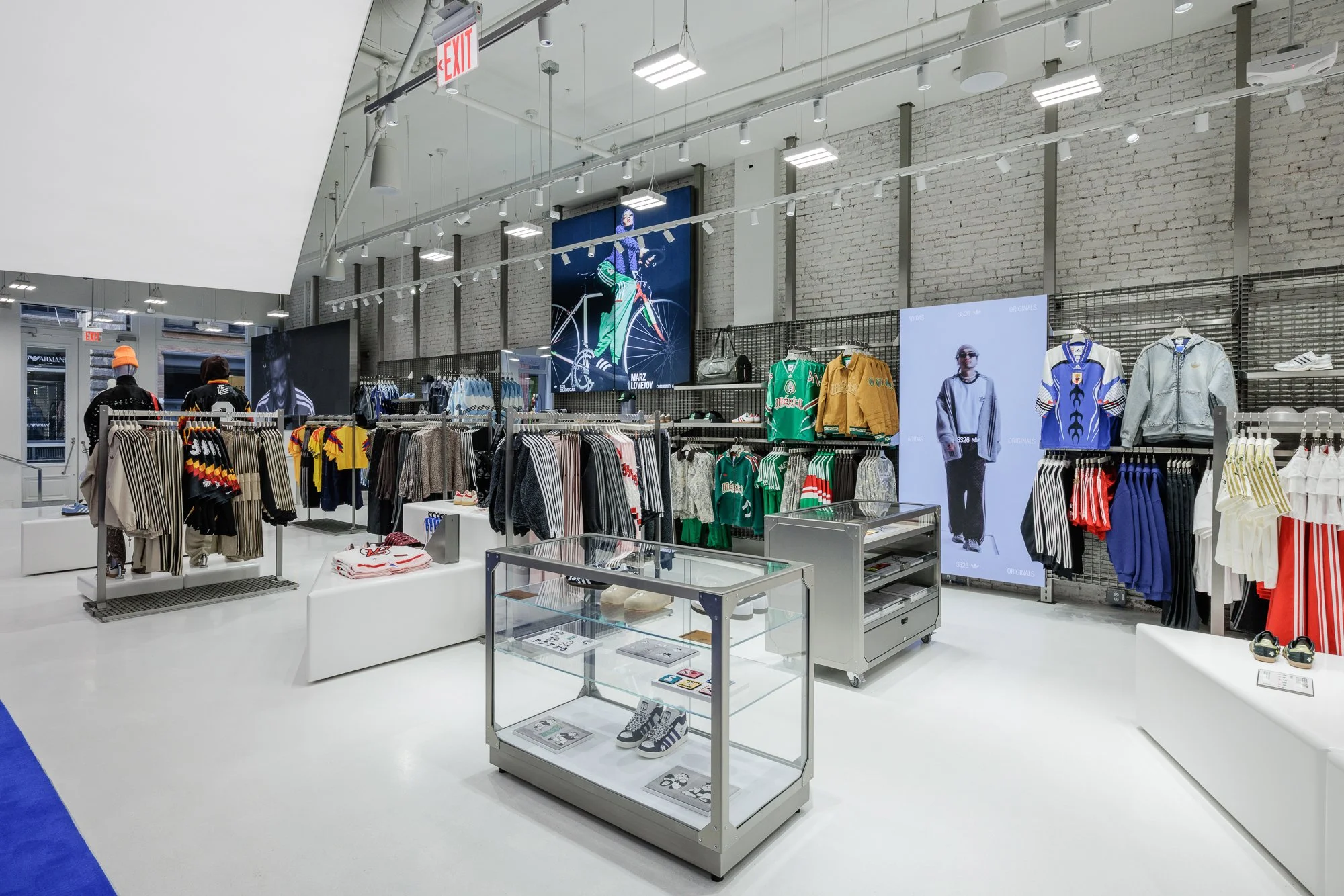
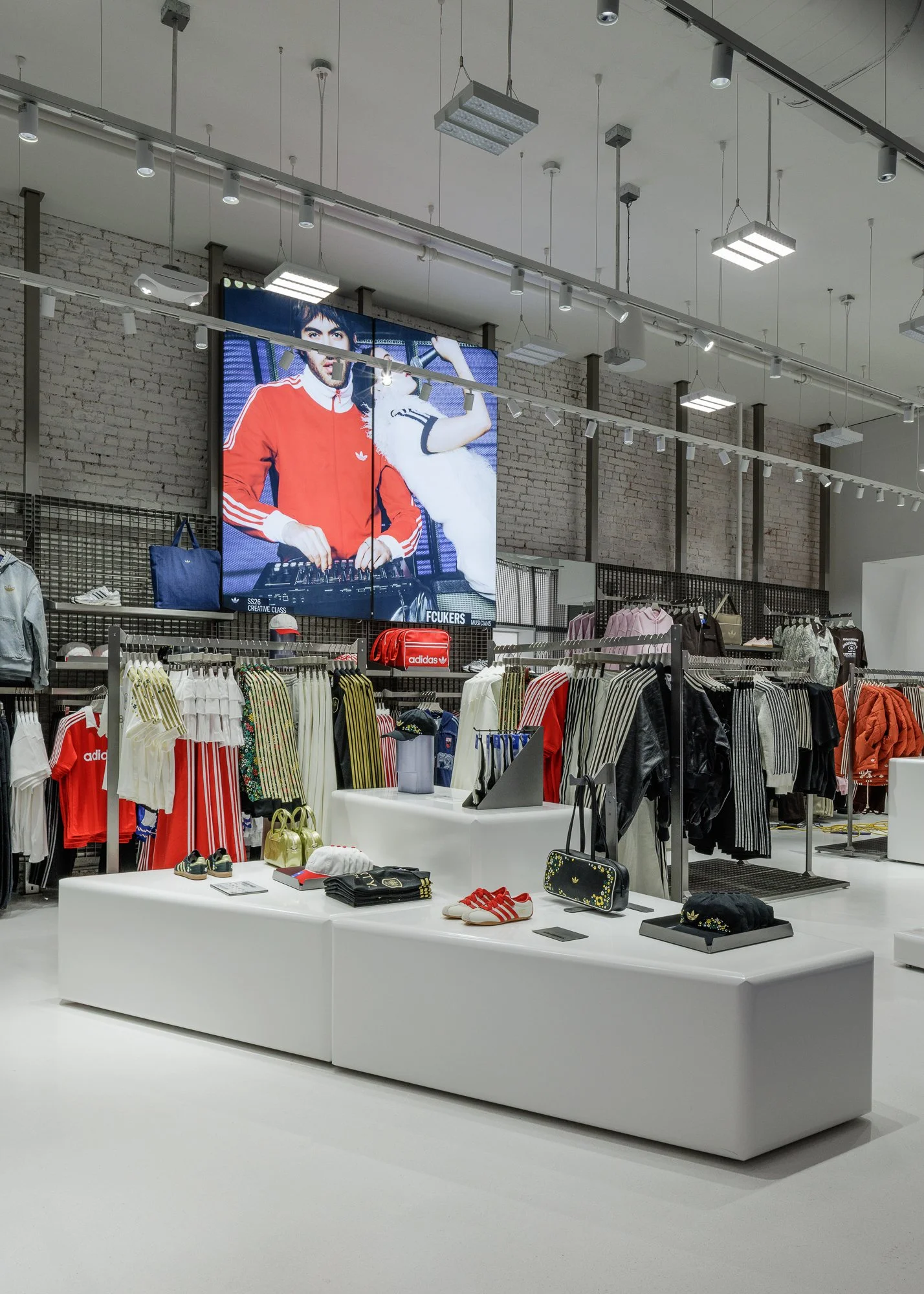
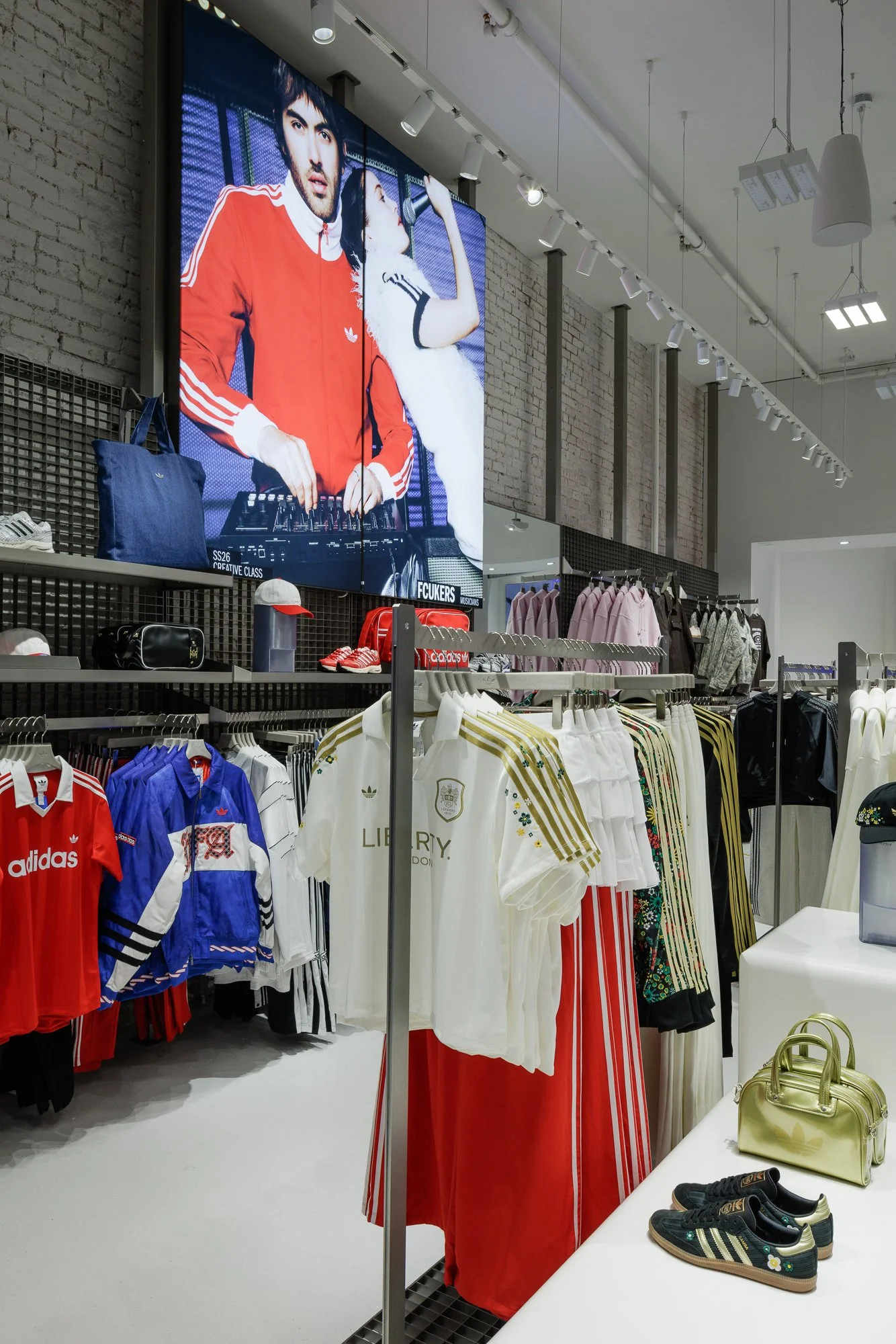
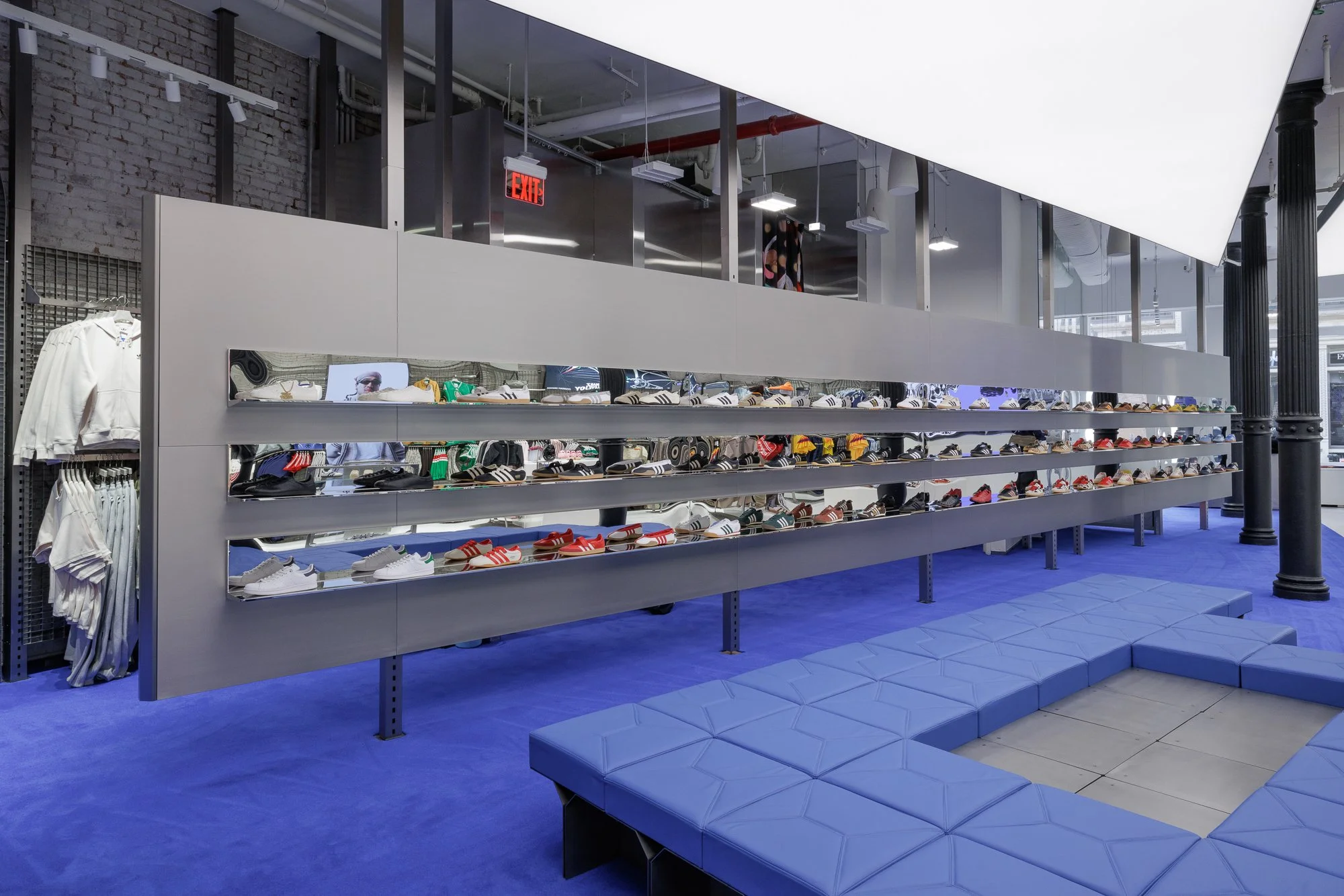
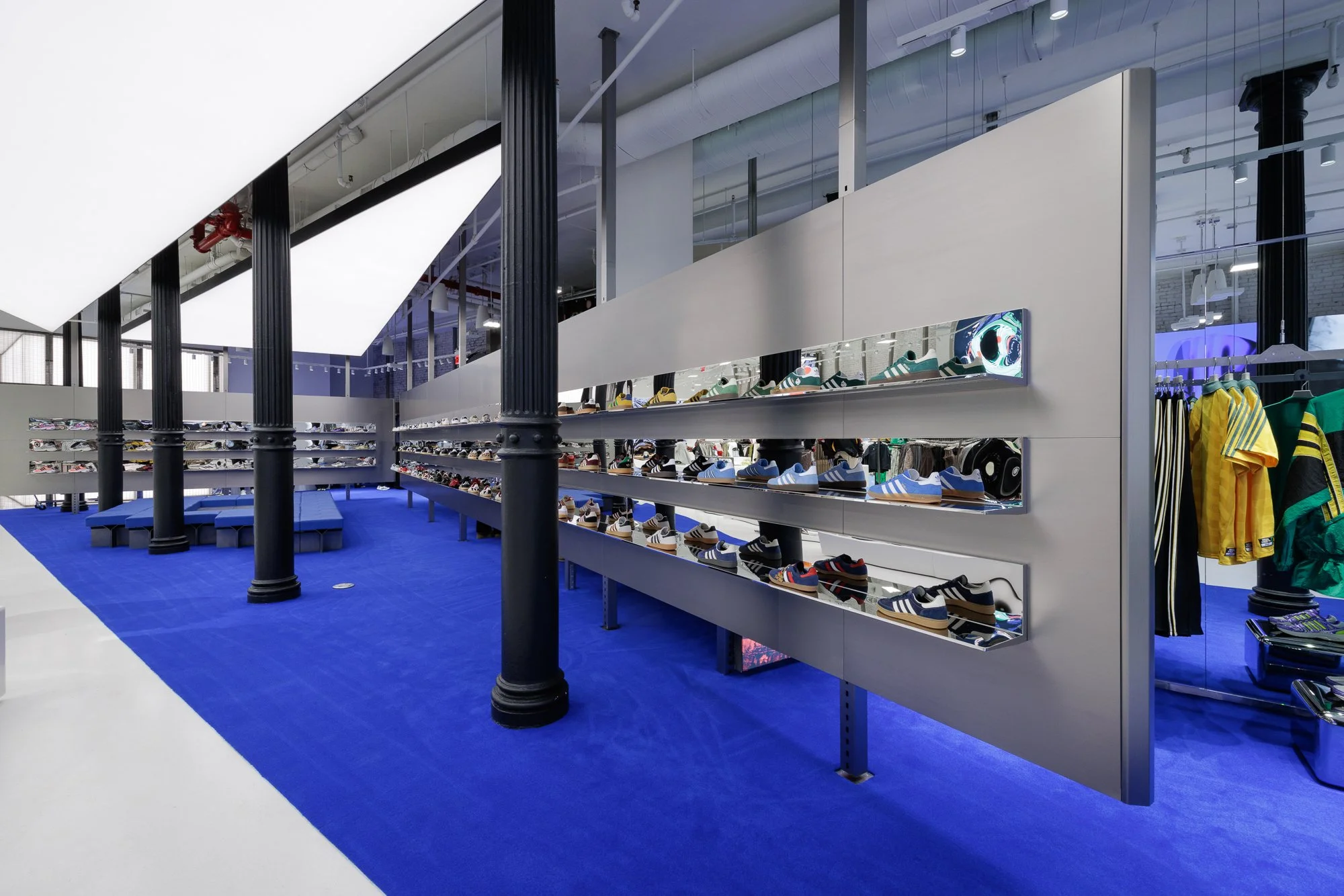
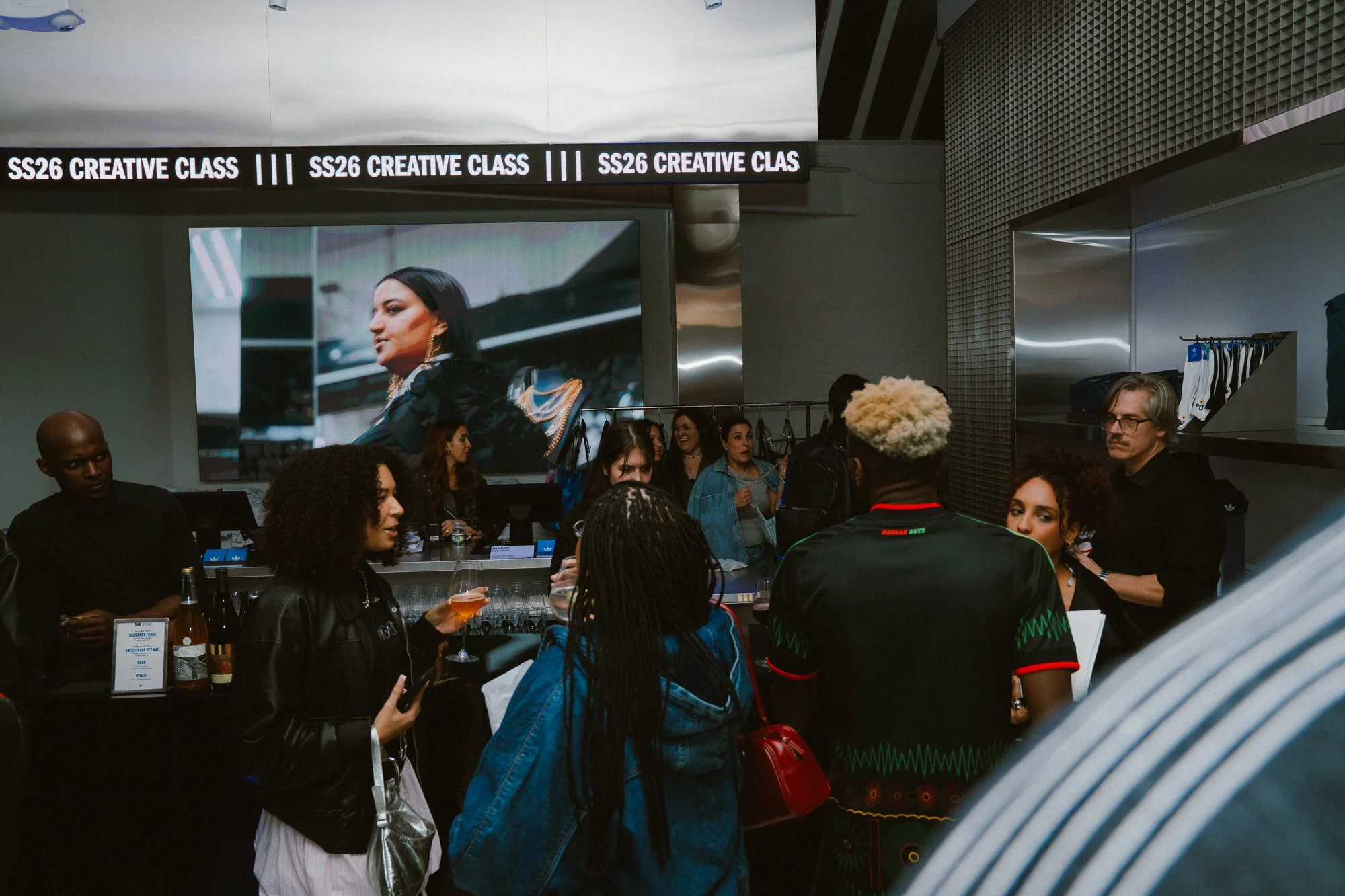
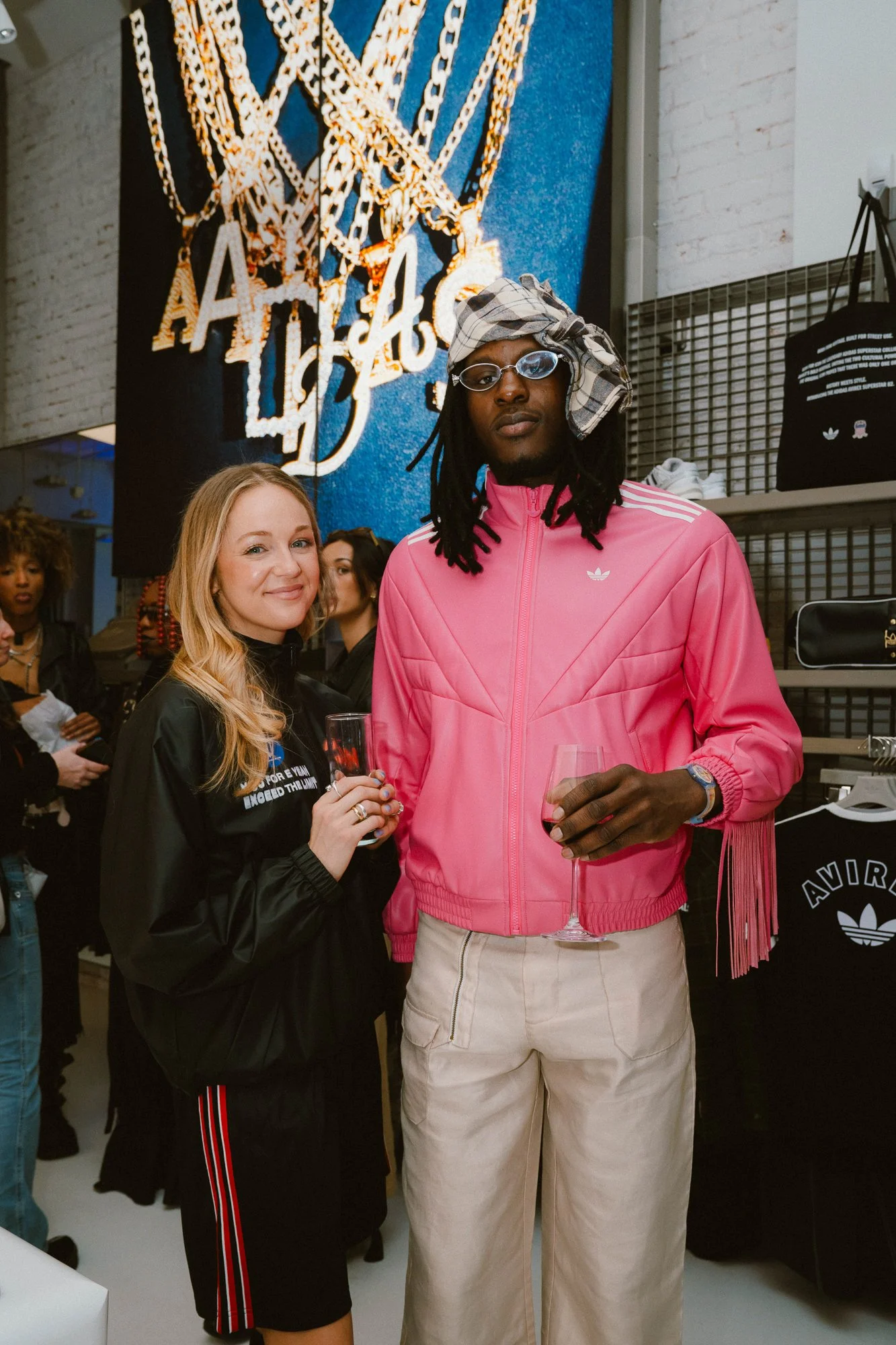
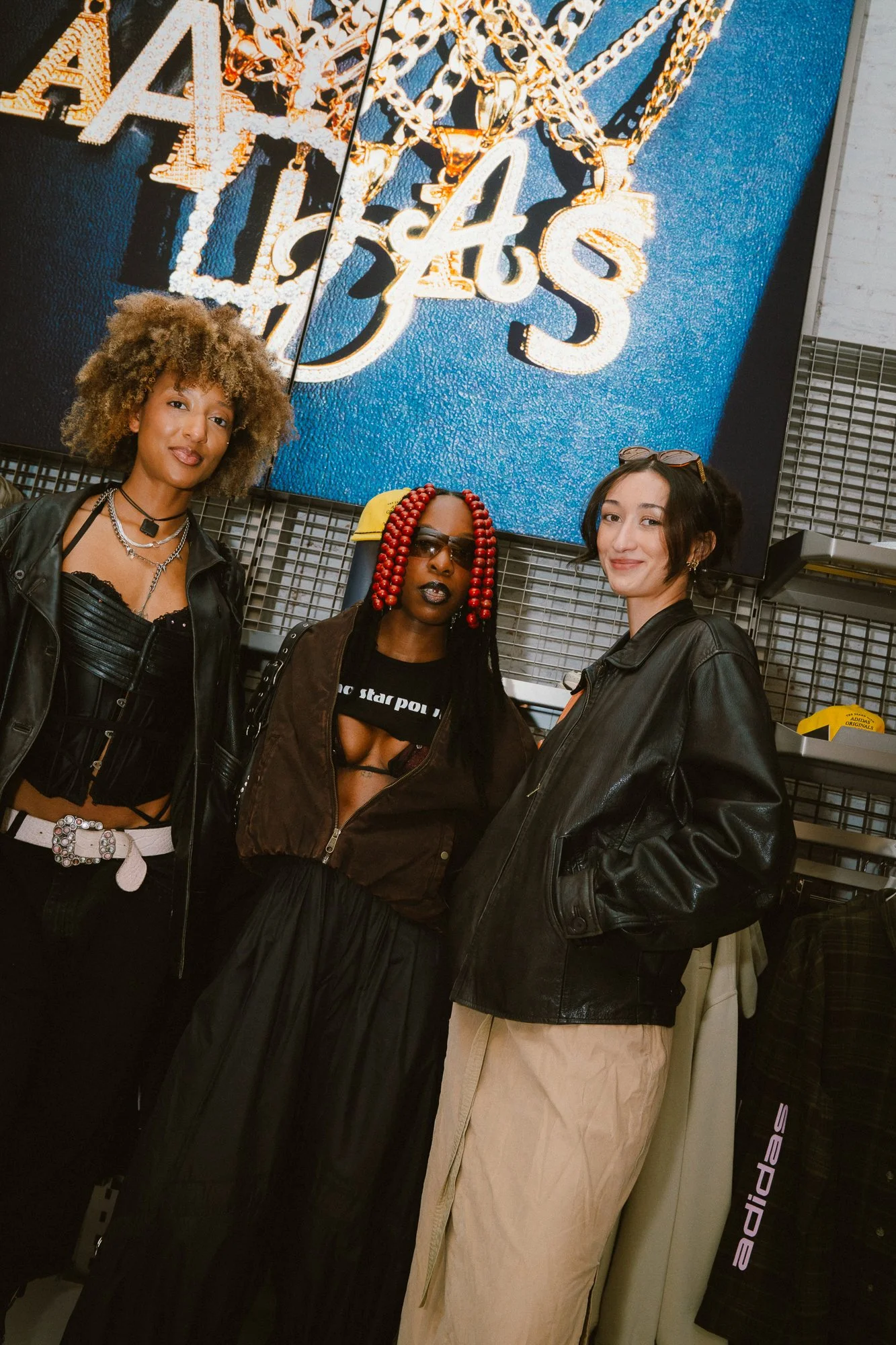
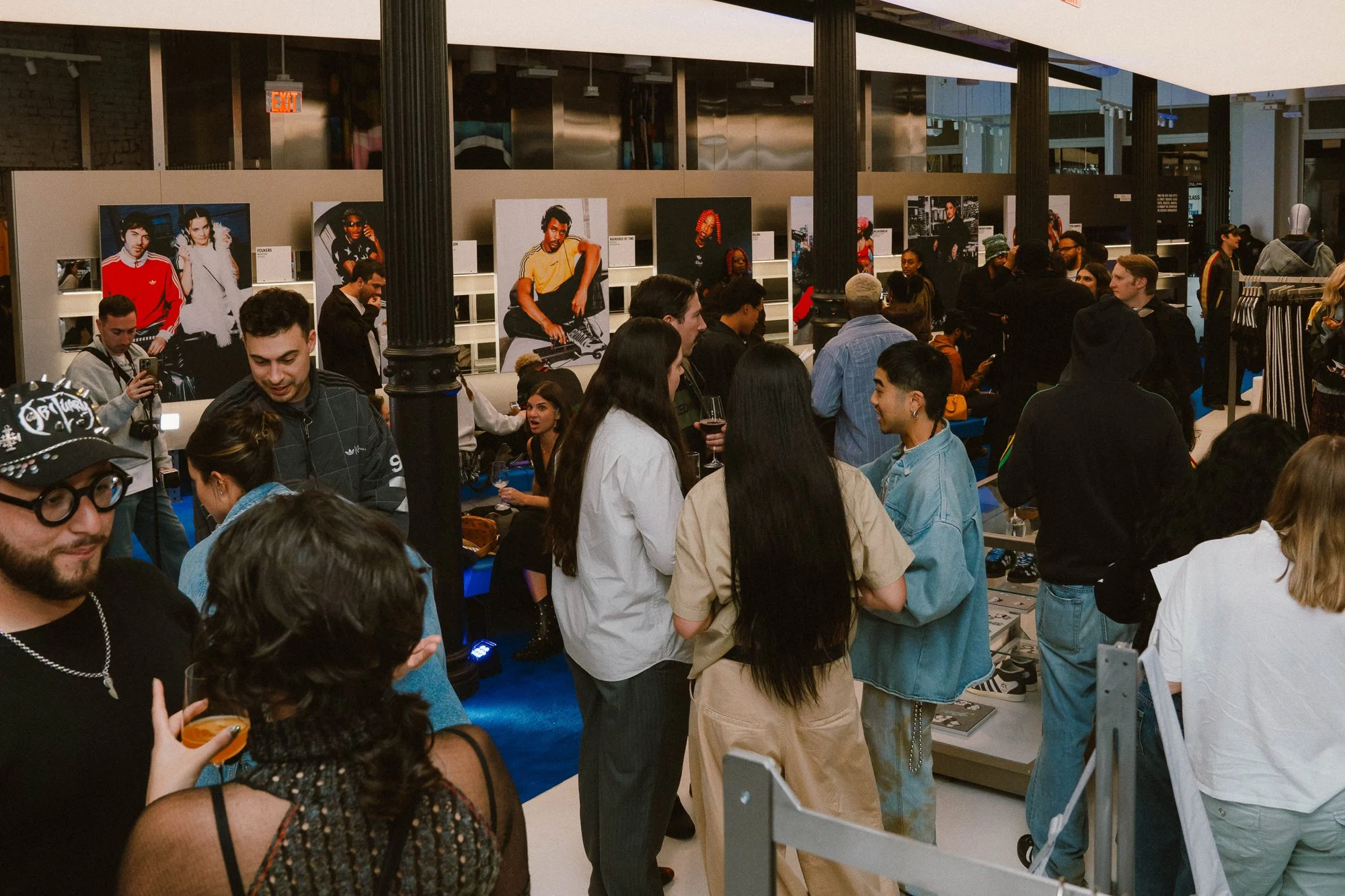
At a moment when brands are increasingly challenged to prove their cultural relevance beyond product, adidas is reframing what a flagship can represent. With the unveiling of its SoHo Originals location at 135 Spring Street, the company signals a deliberate shift—from retail as transaction to retail as ecosystem—anchored by the launch of its inaugural SS26 Creative Class.
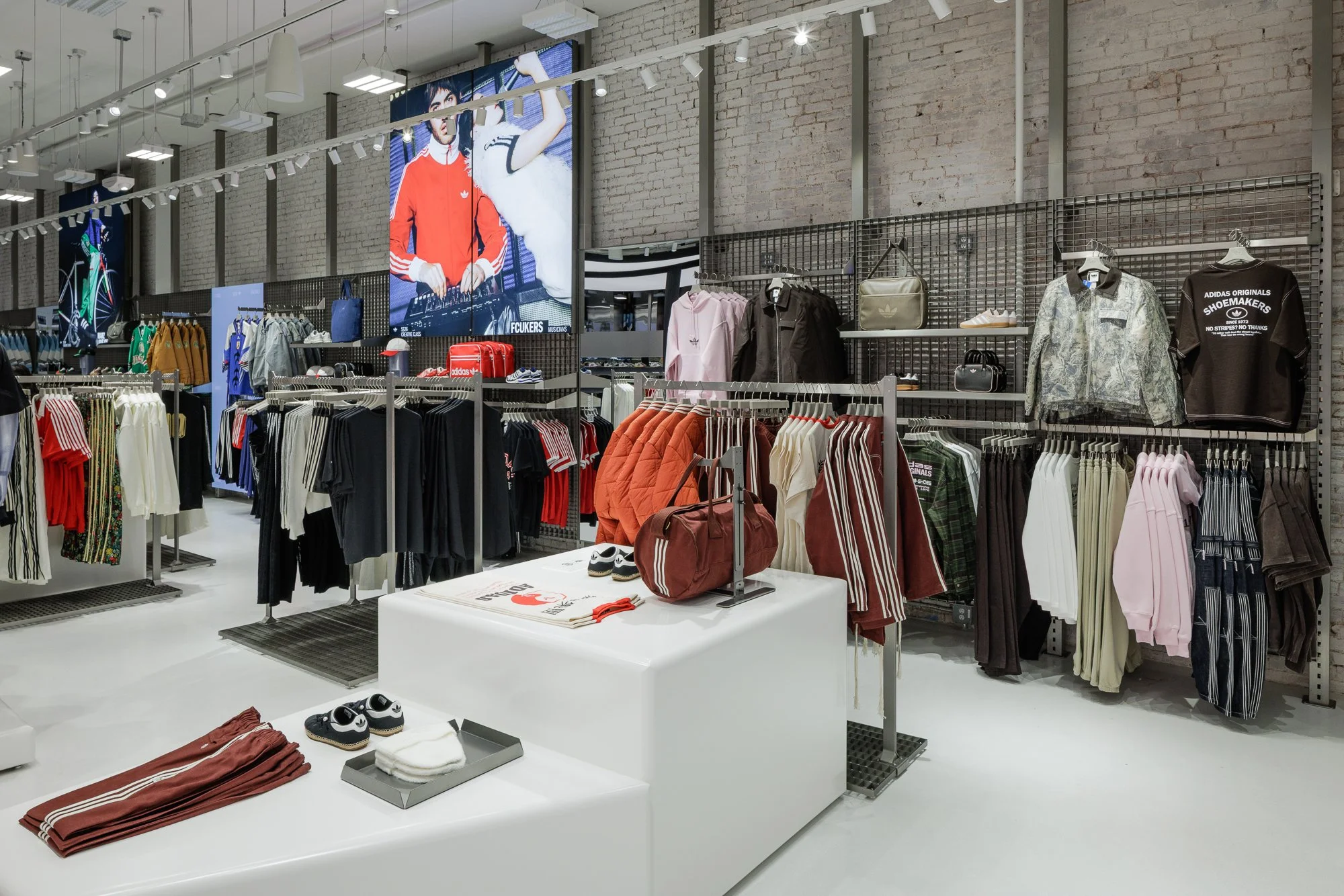
For a brand with more than two decades embedded in downtown Manhattan’s cultural fabric, this evolution feels less like reinvention and more like a recalibration. The SoHo flagship is not simply an expanded footprint; it is a spatial manifesto. One that recognizes New York not as a market, but as a living, breathing collaborator.
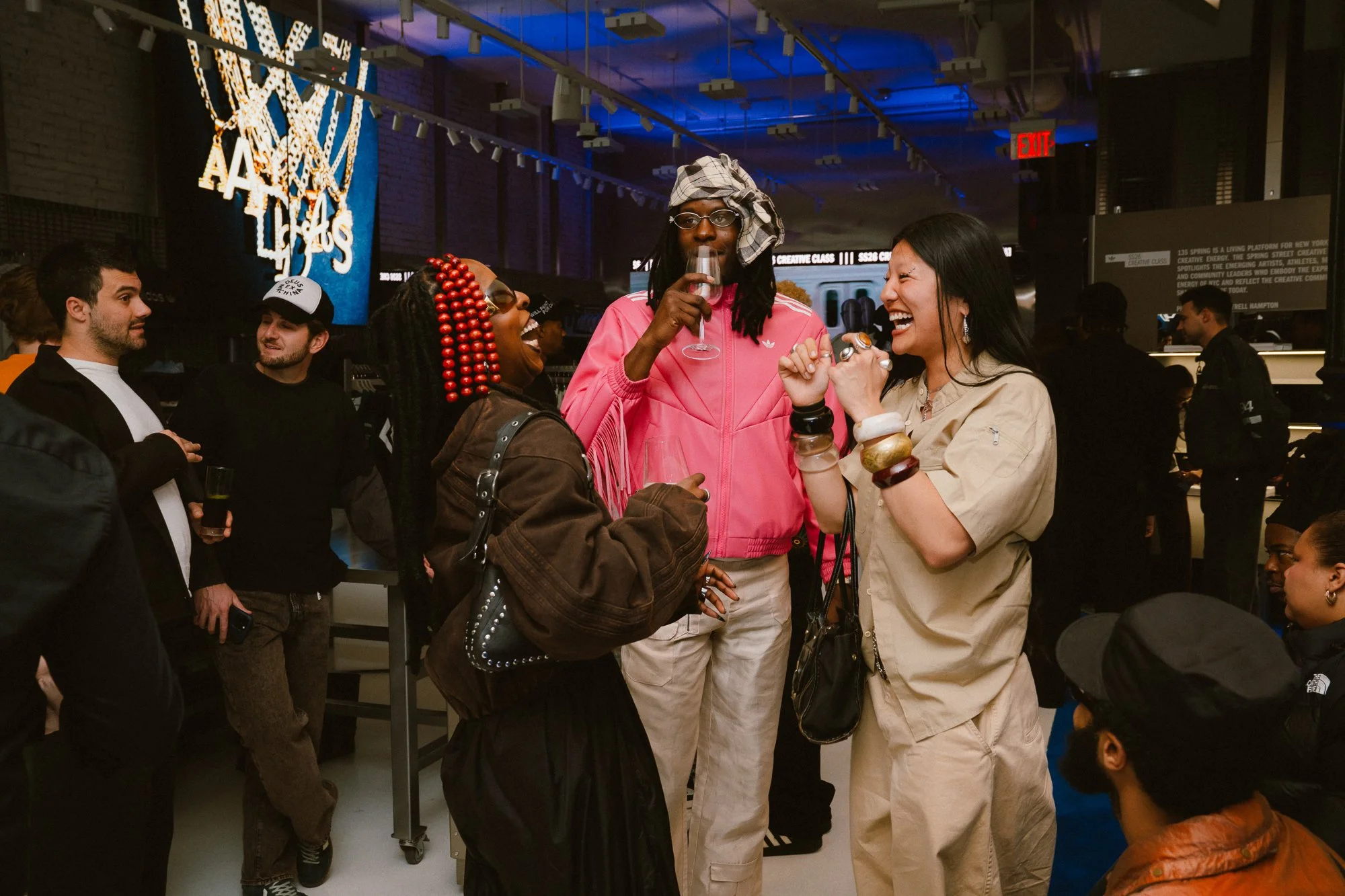
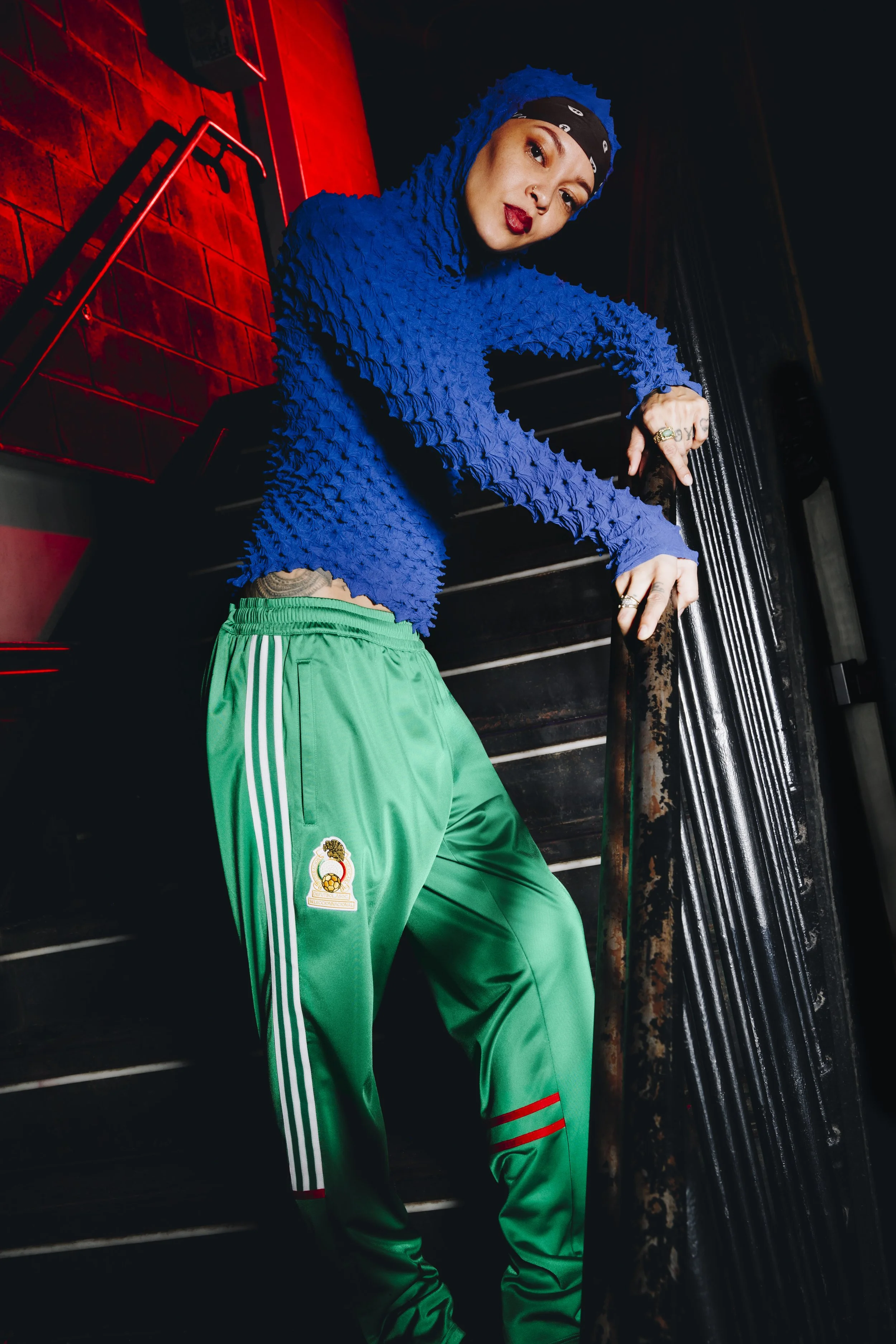
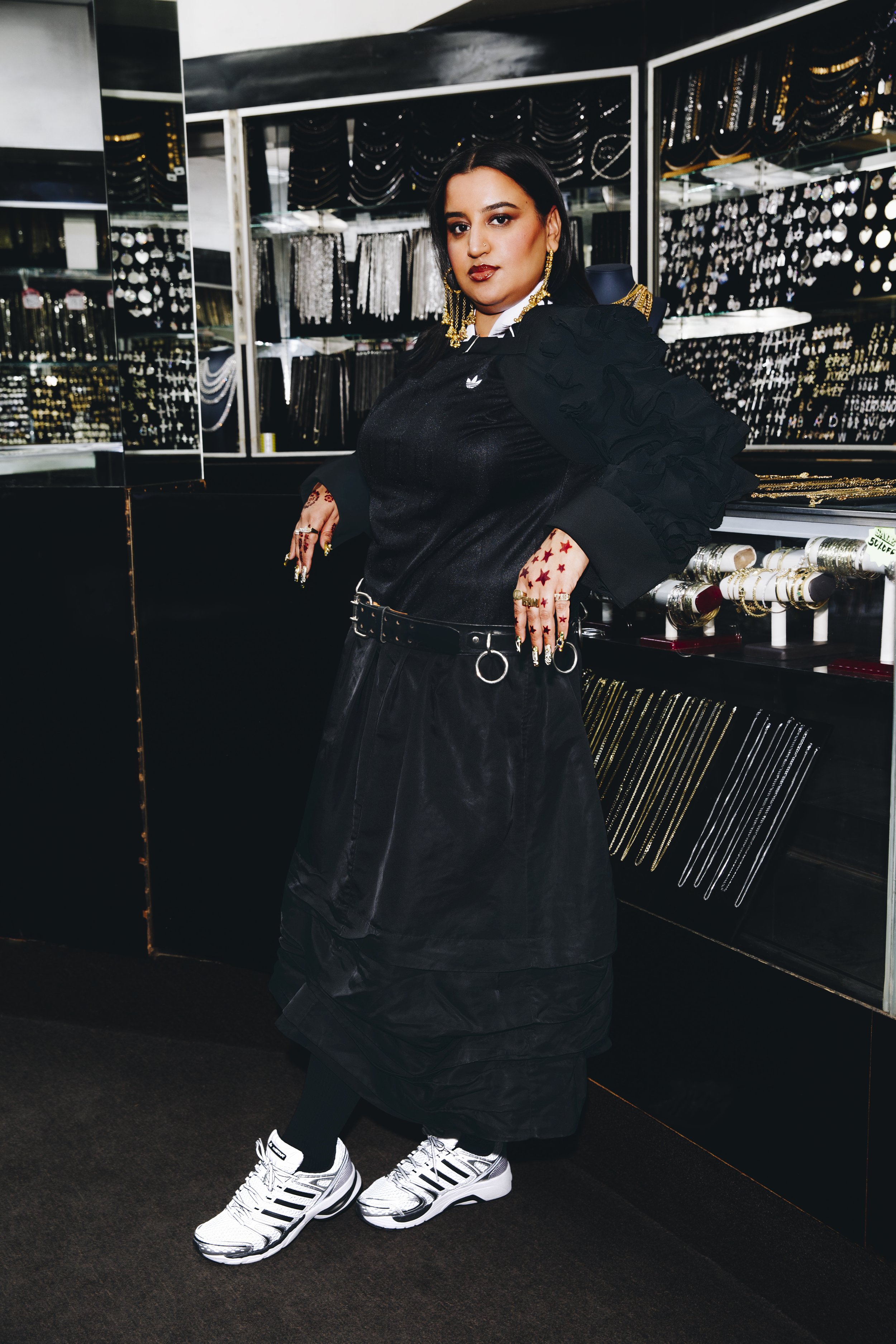
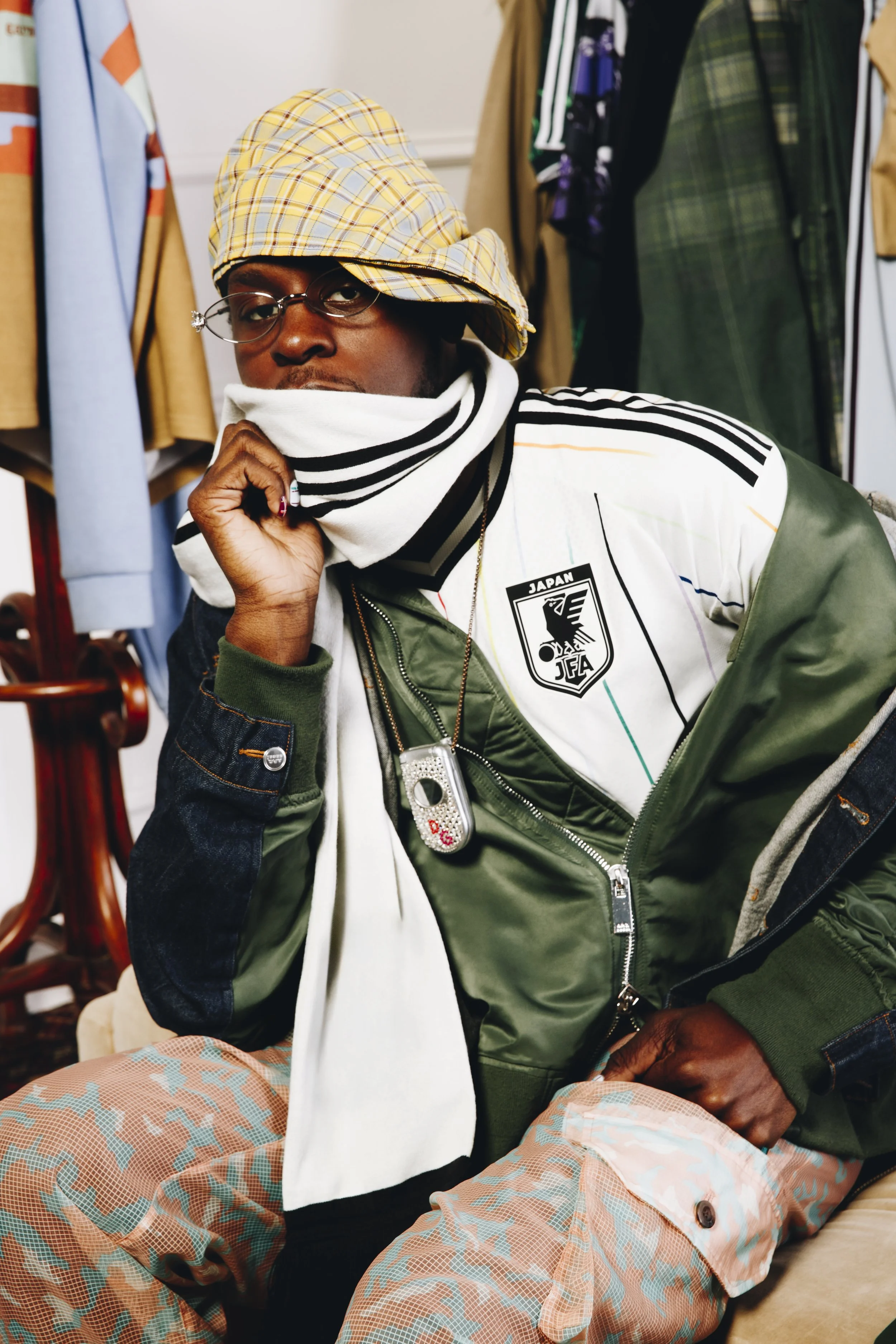
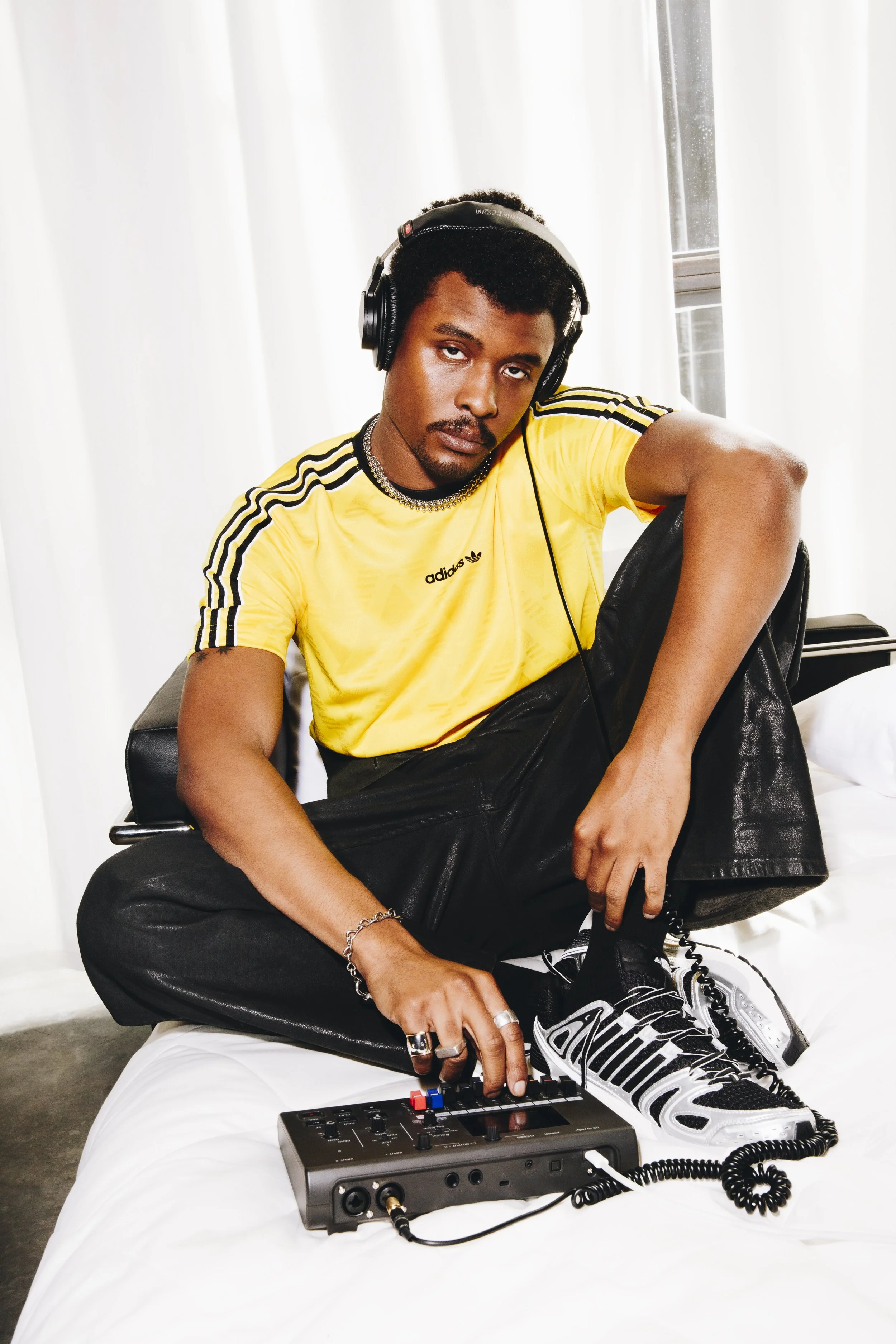
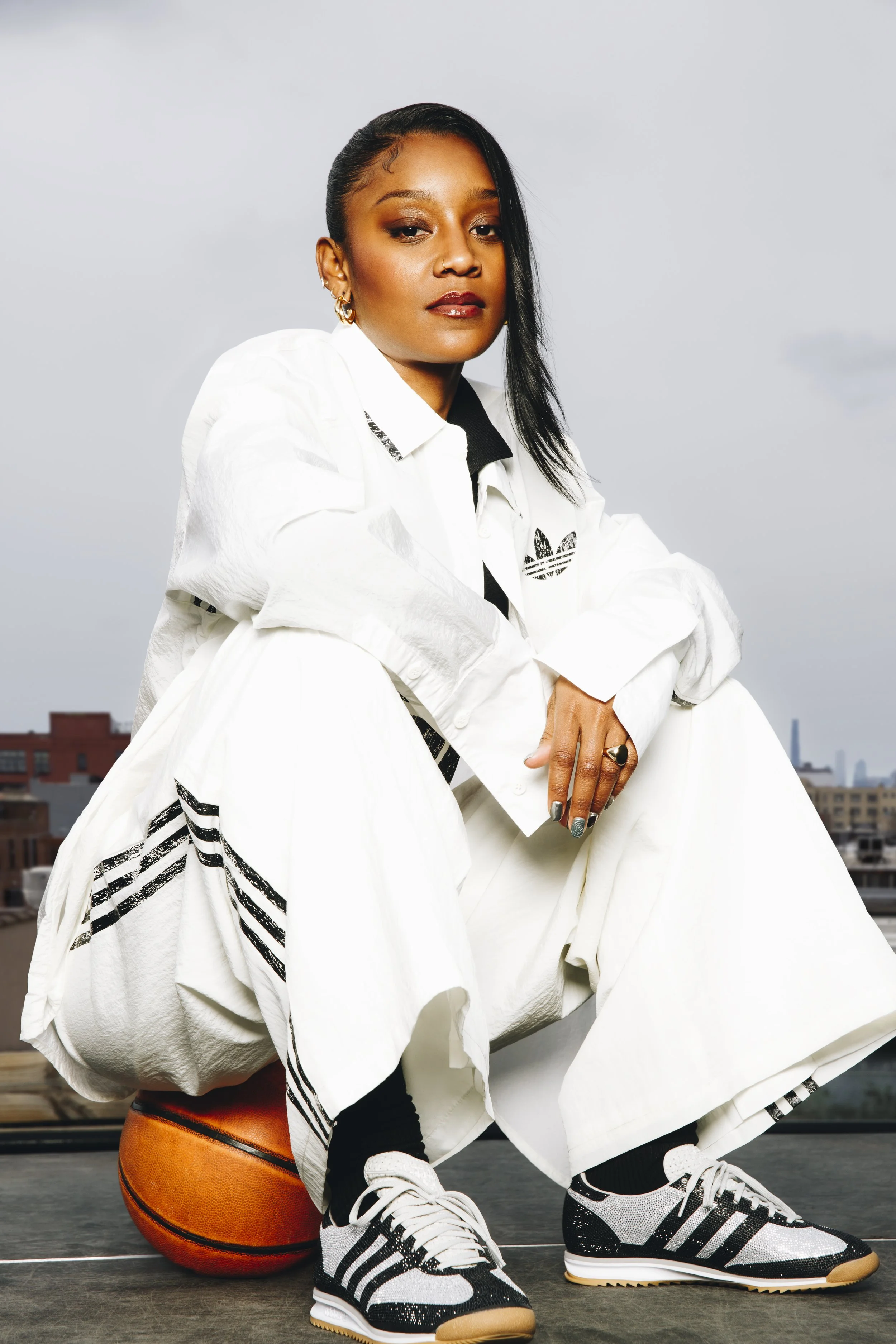
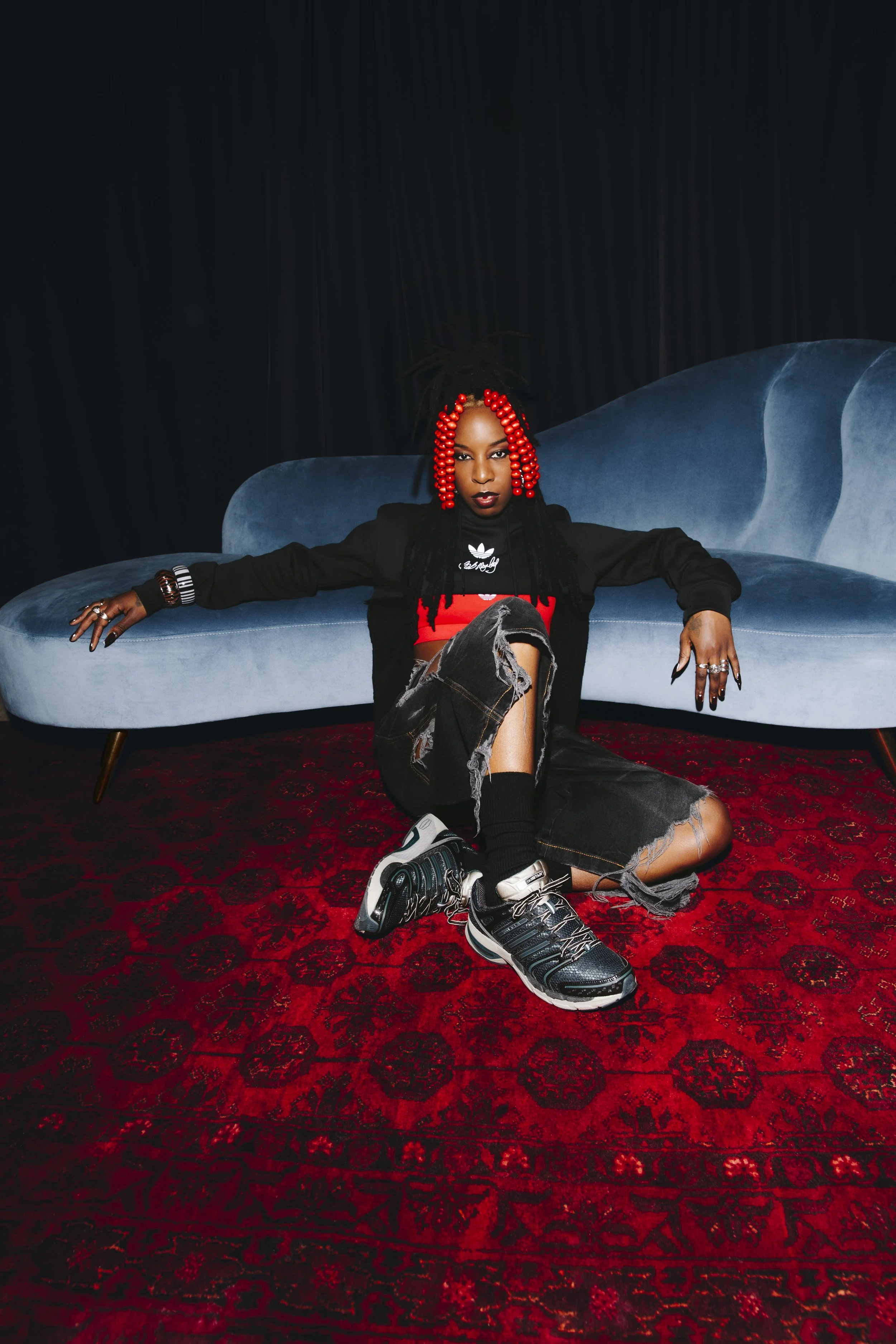
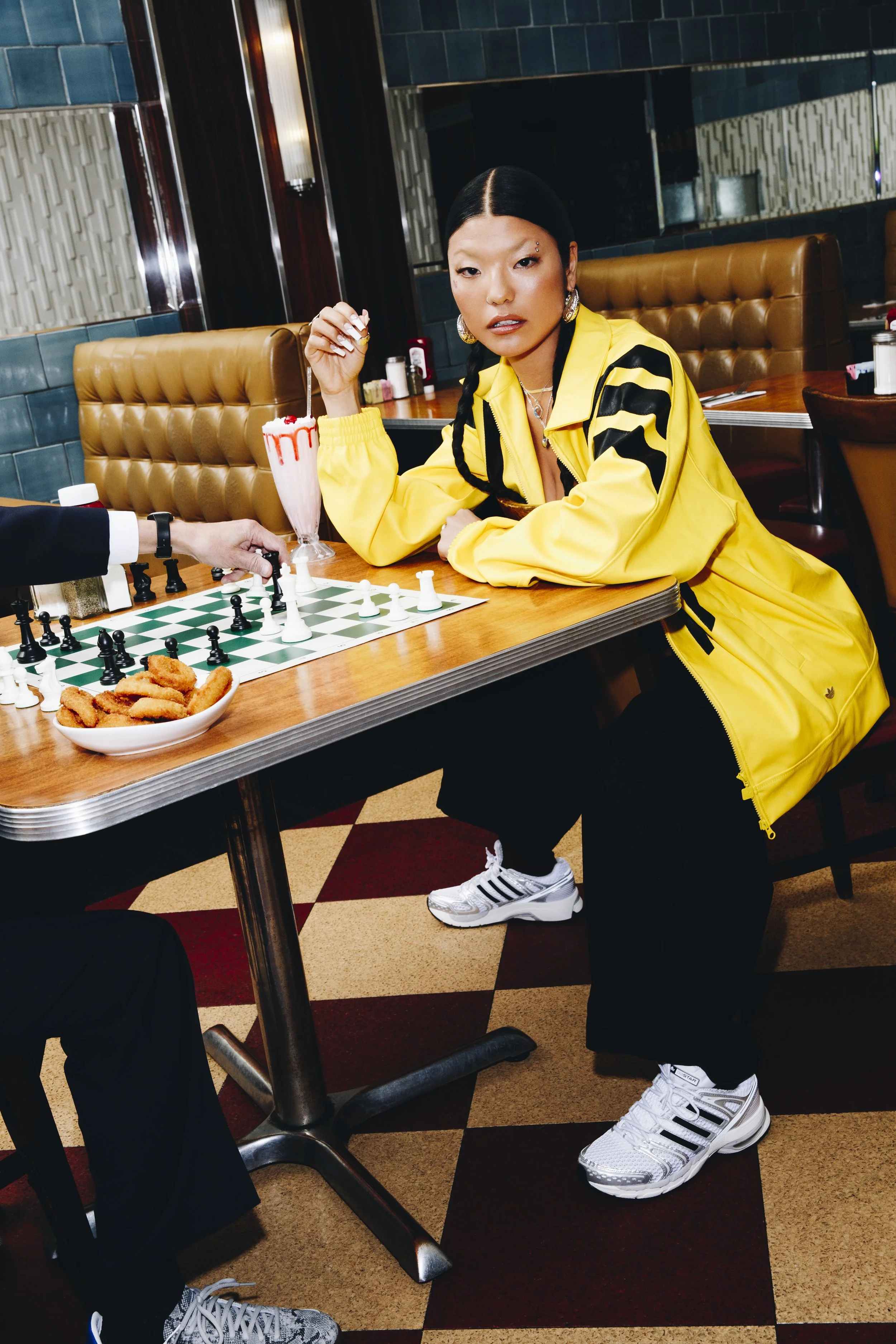
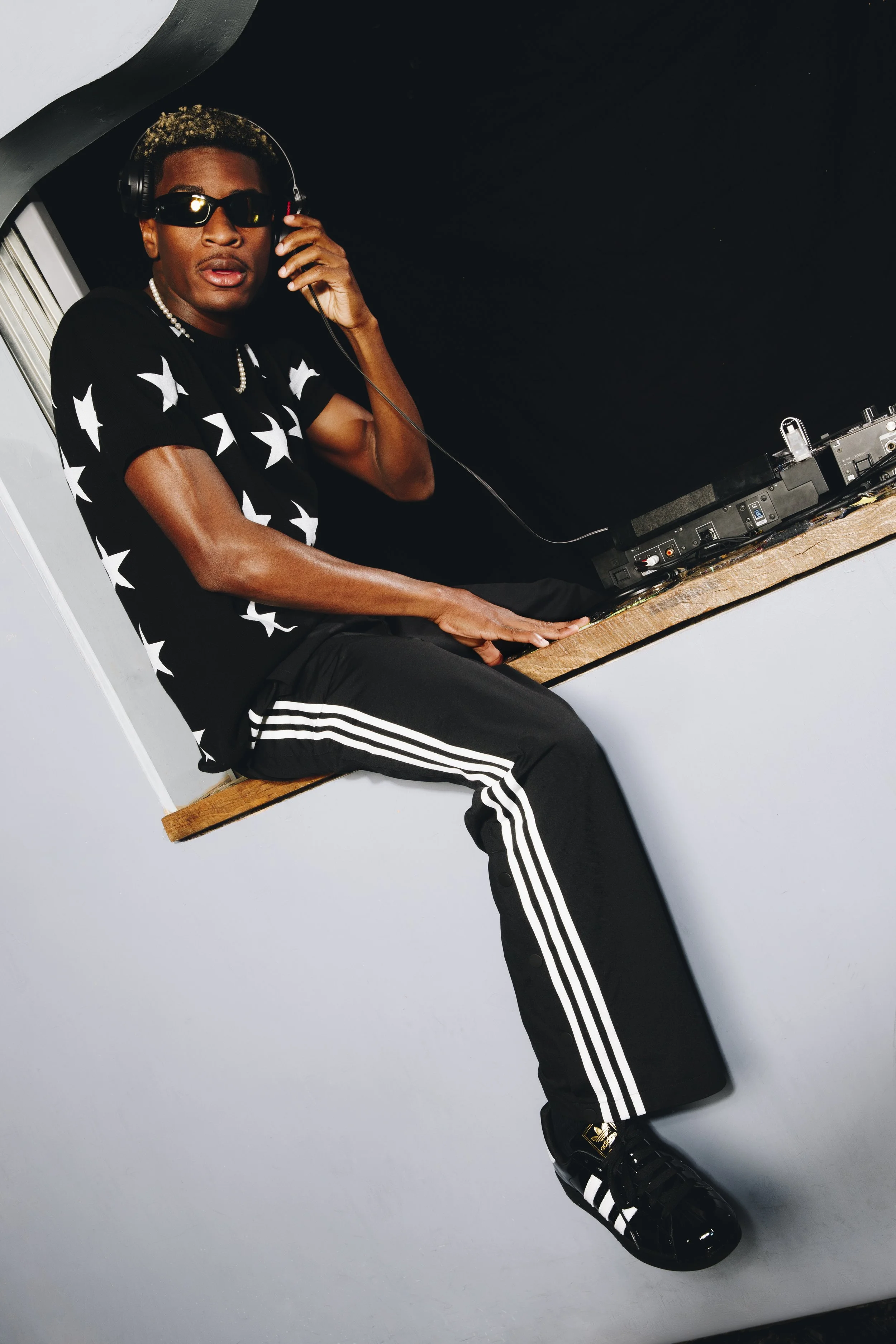
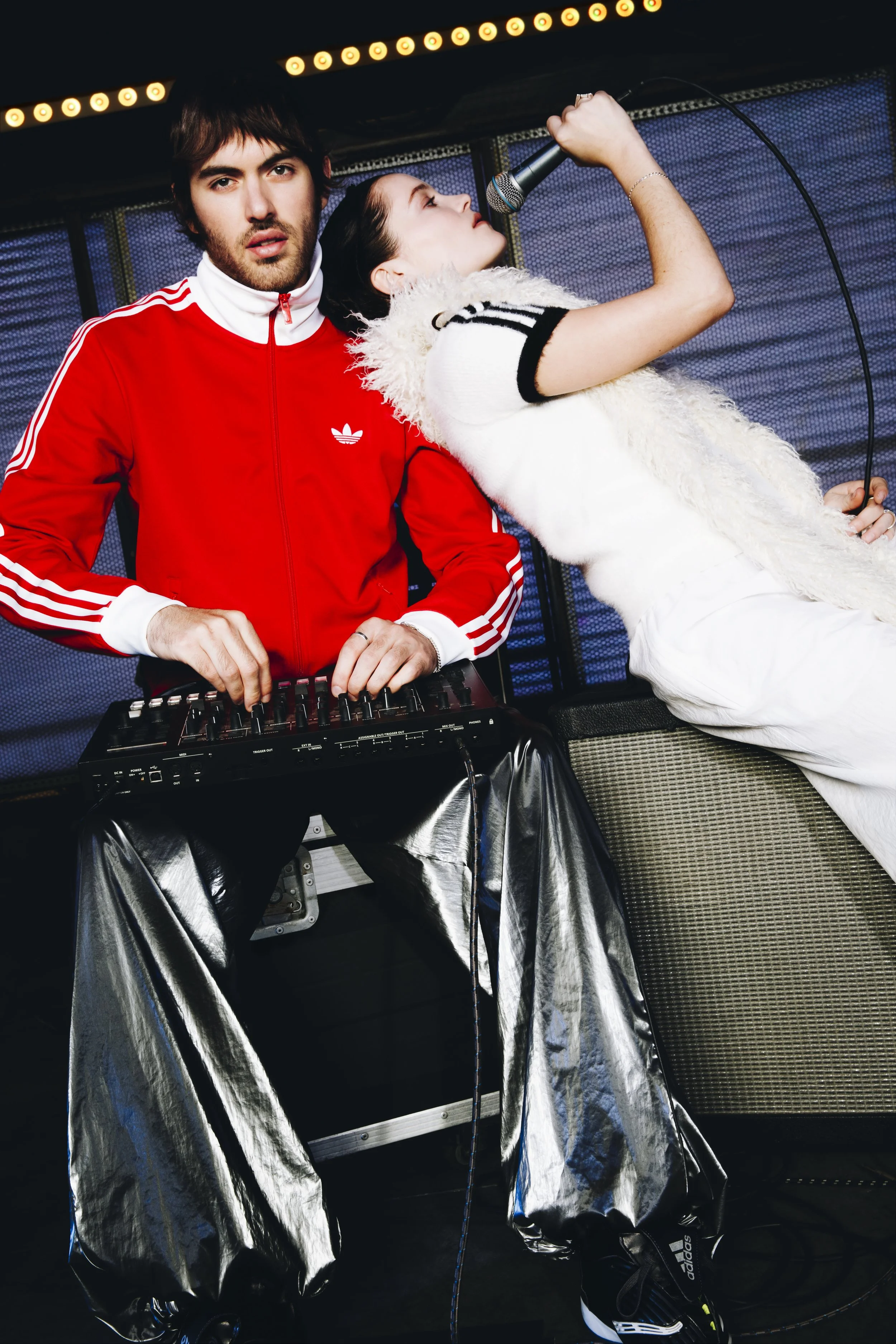
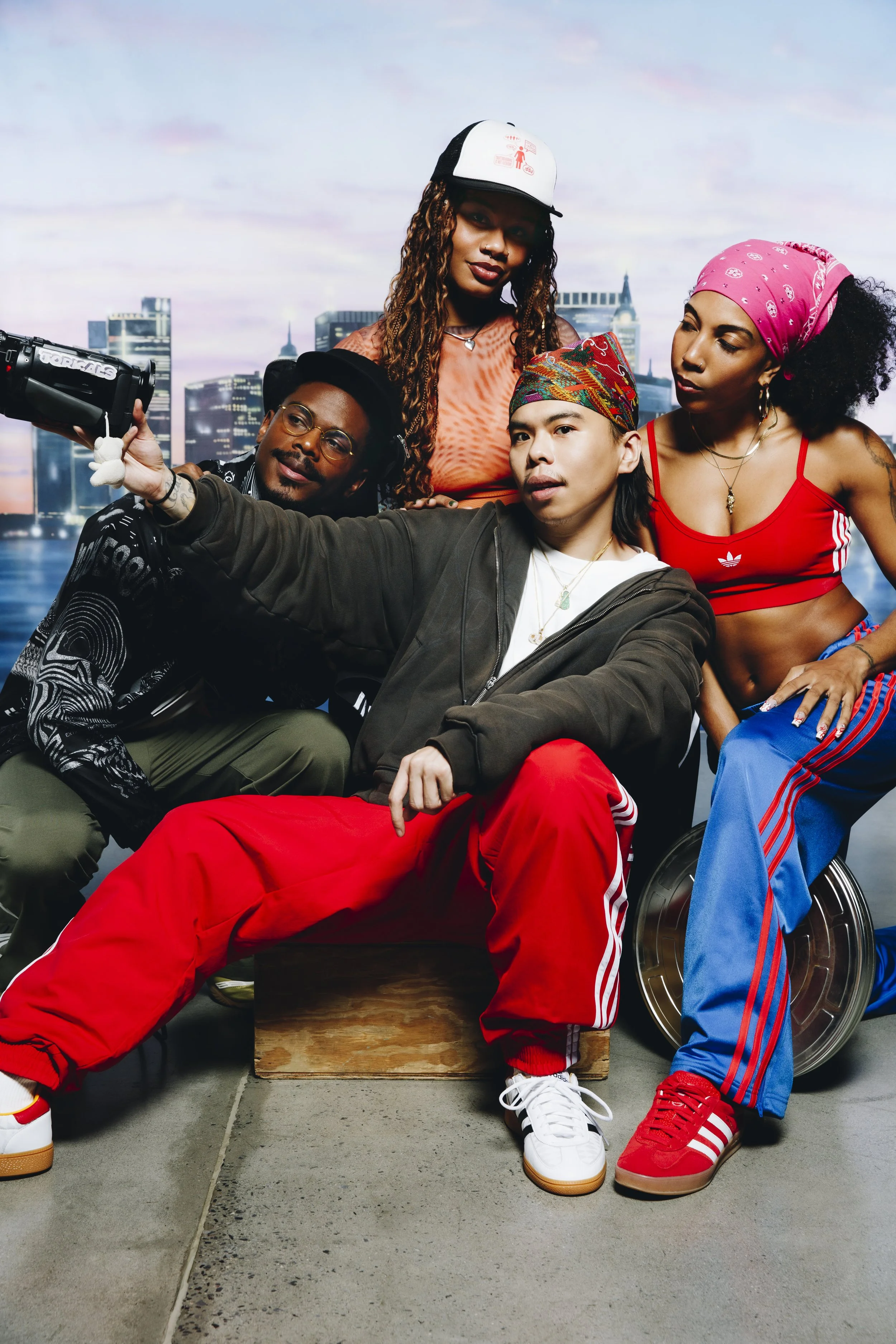
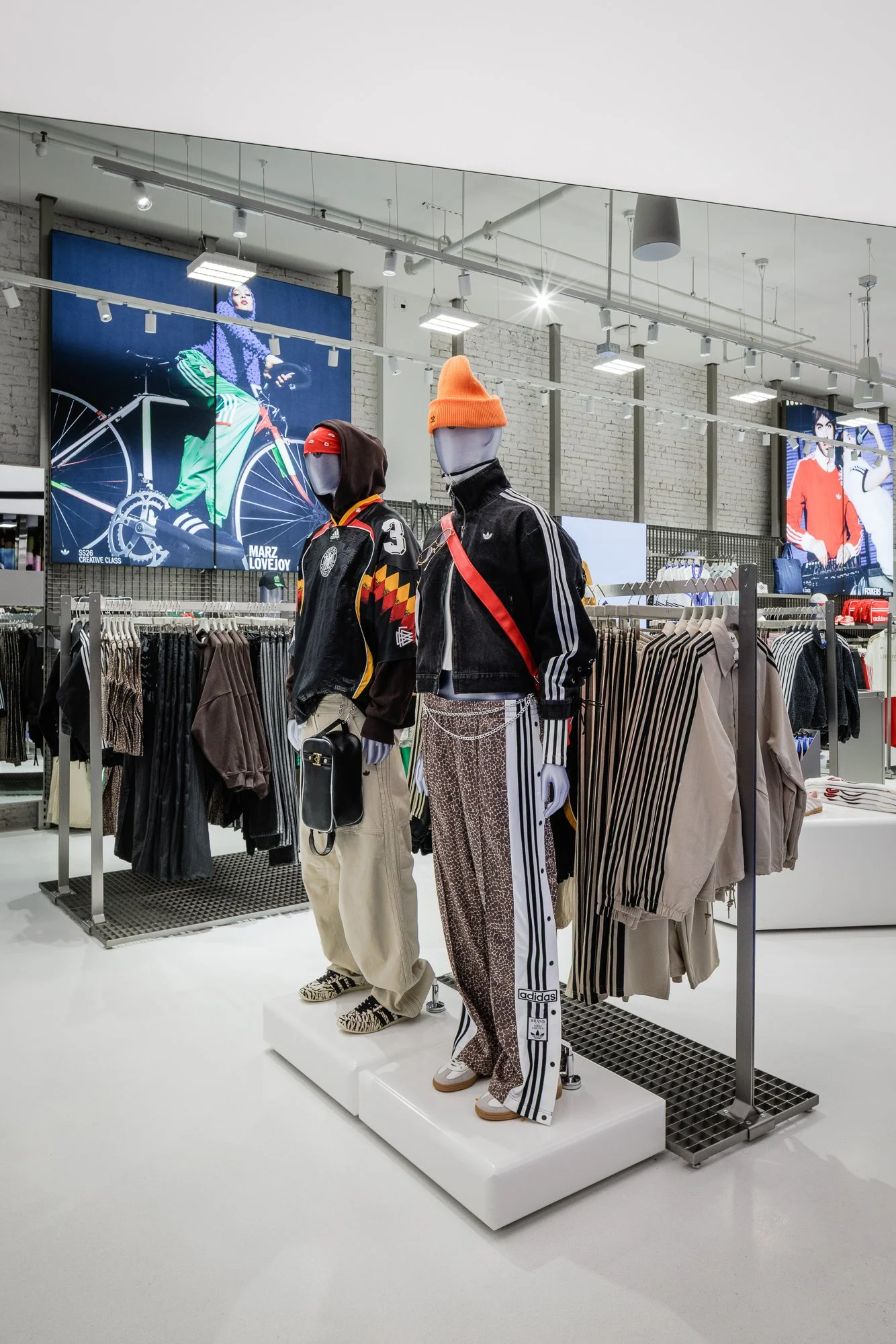
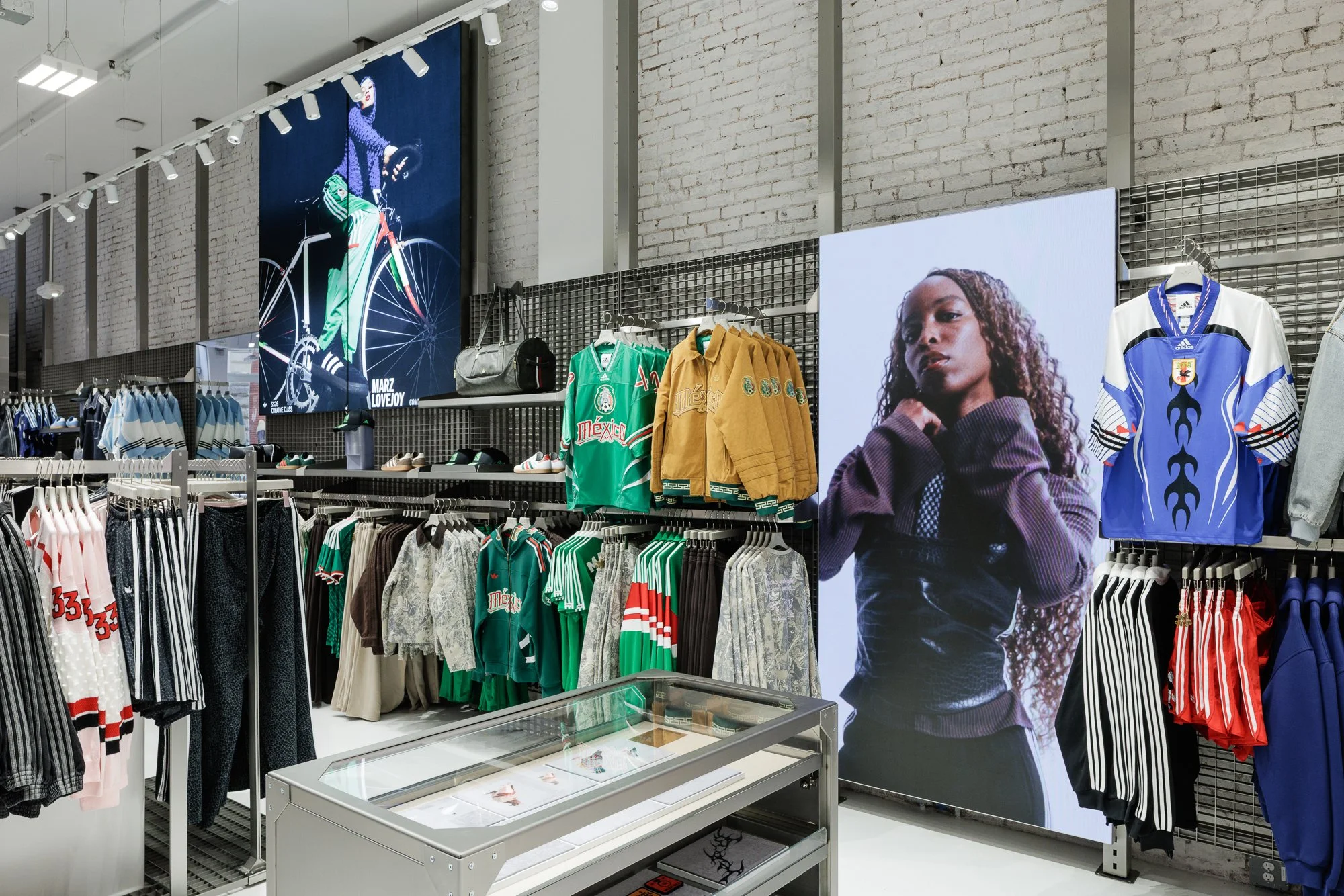
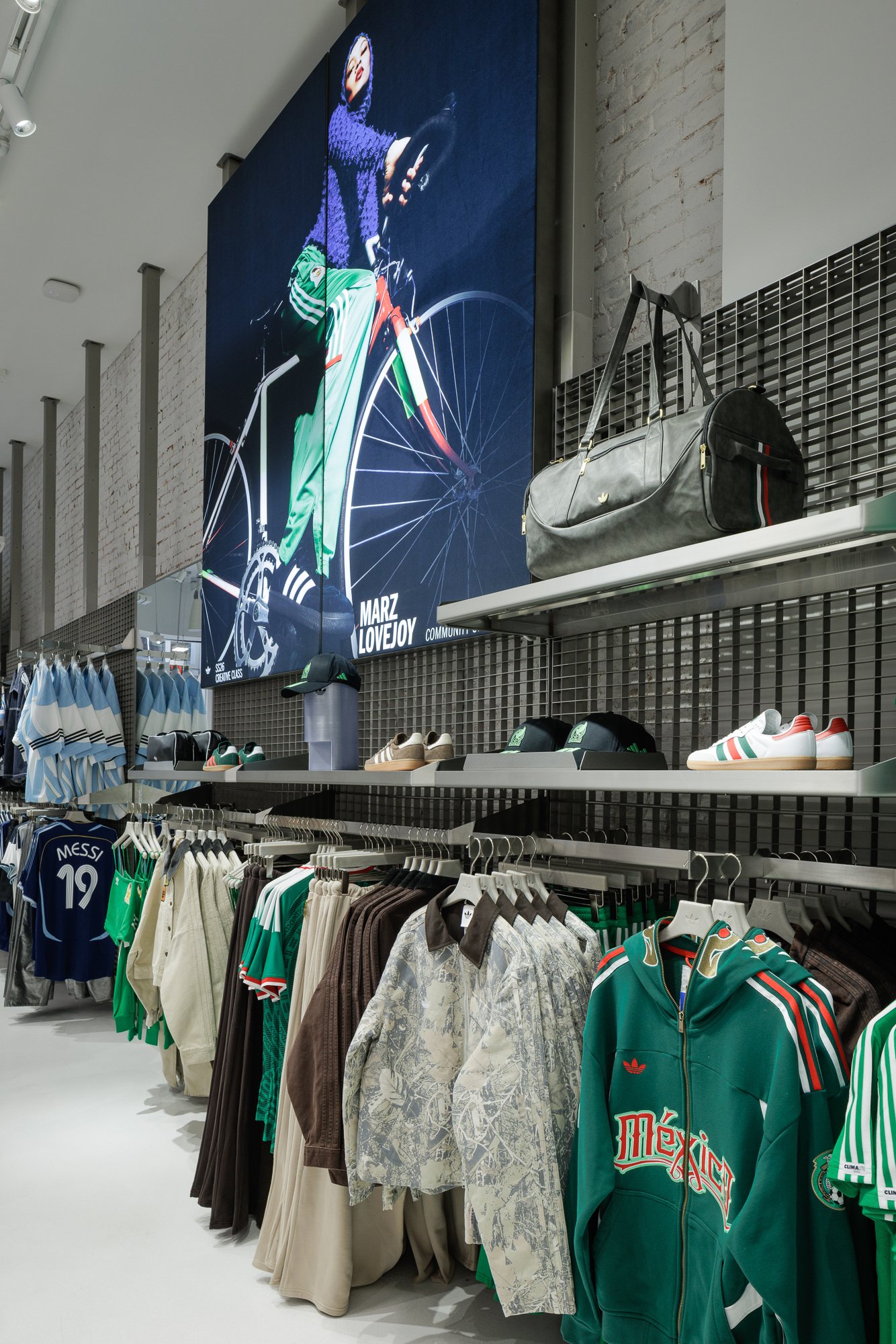
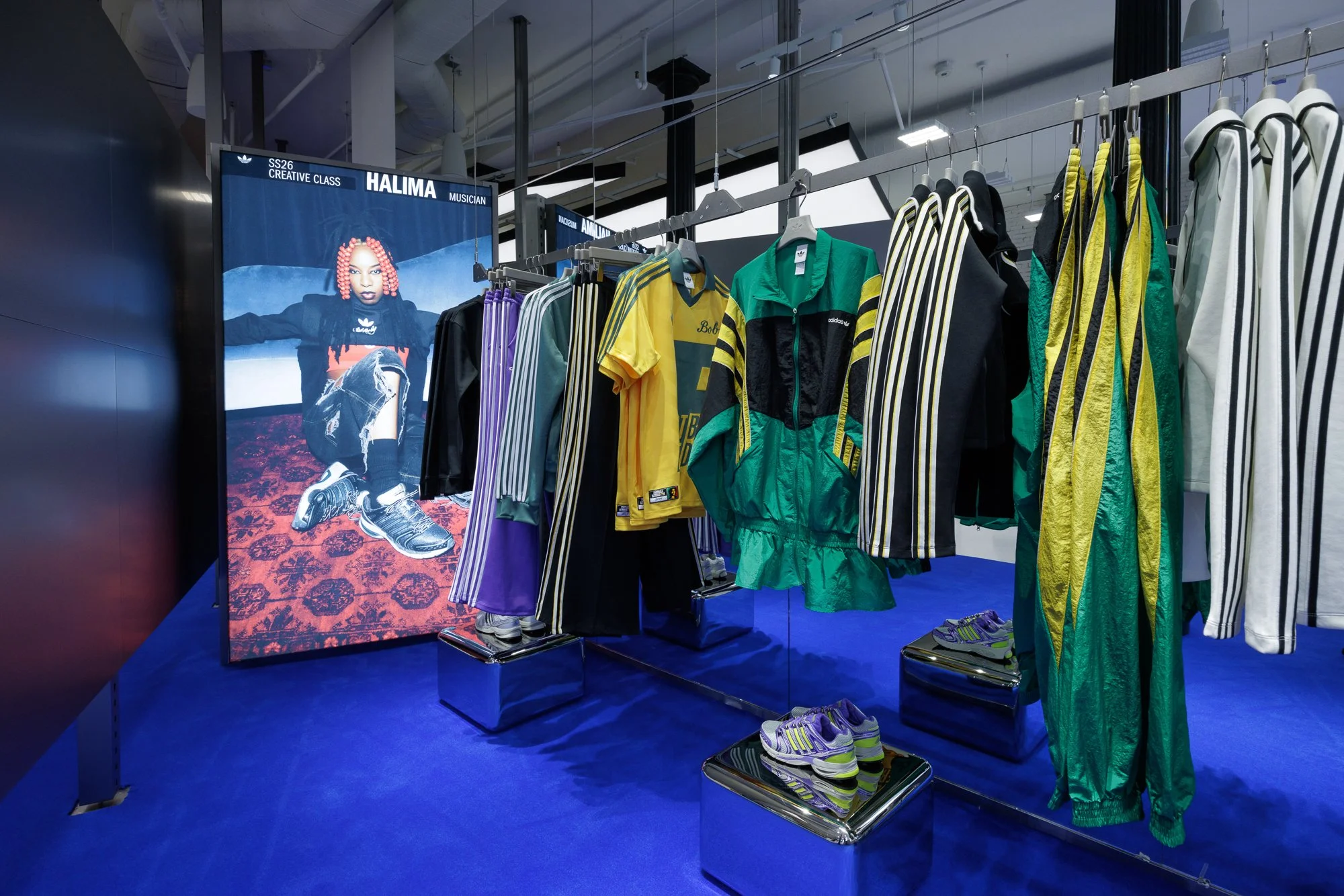
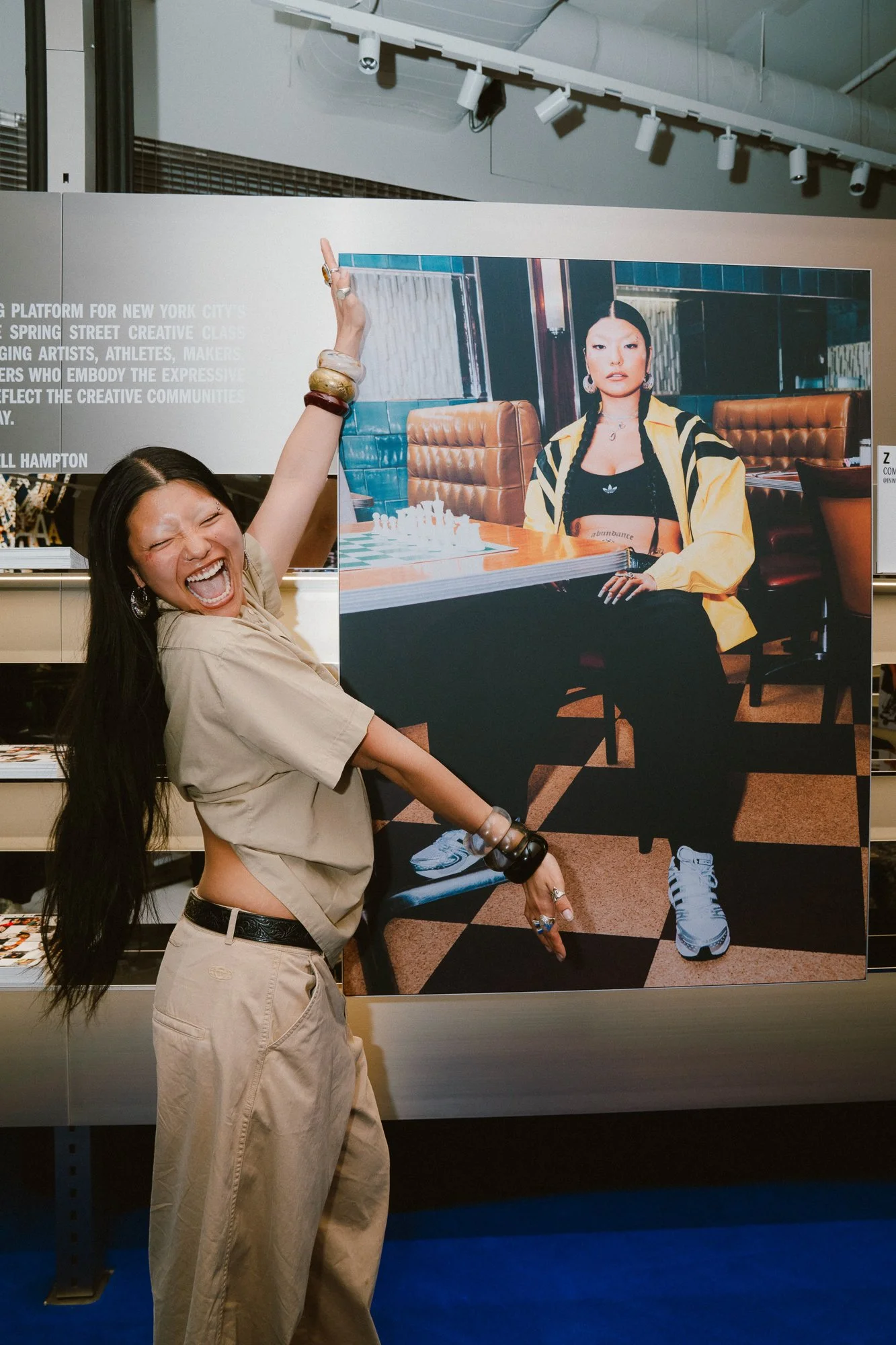
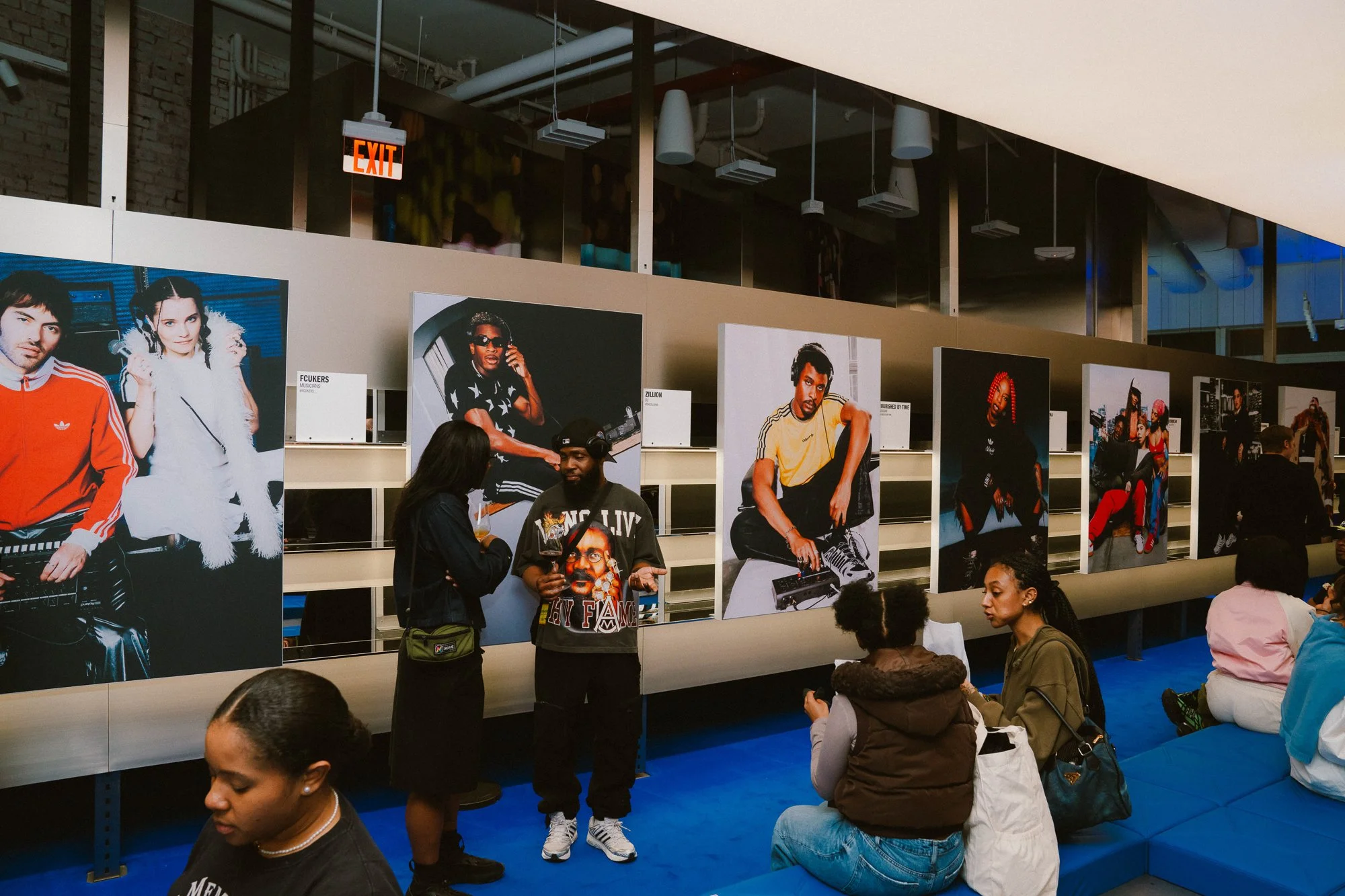
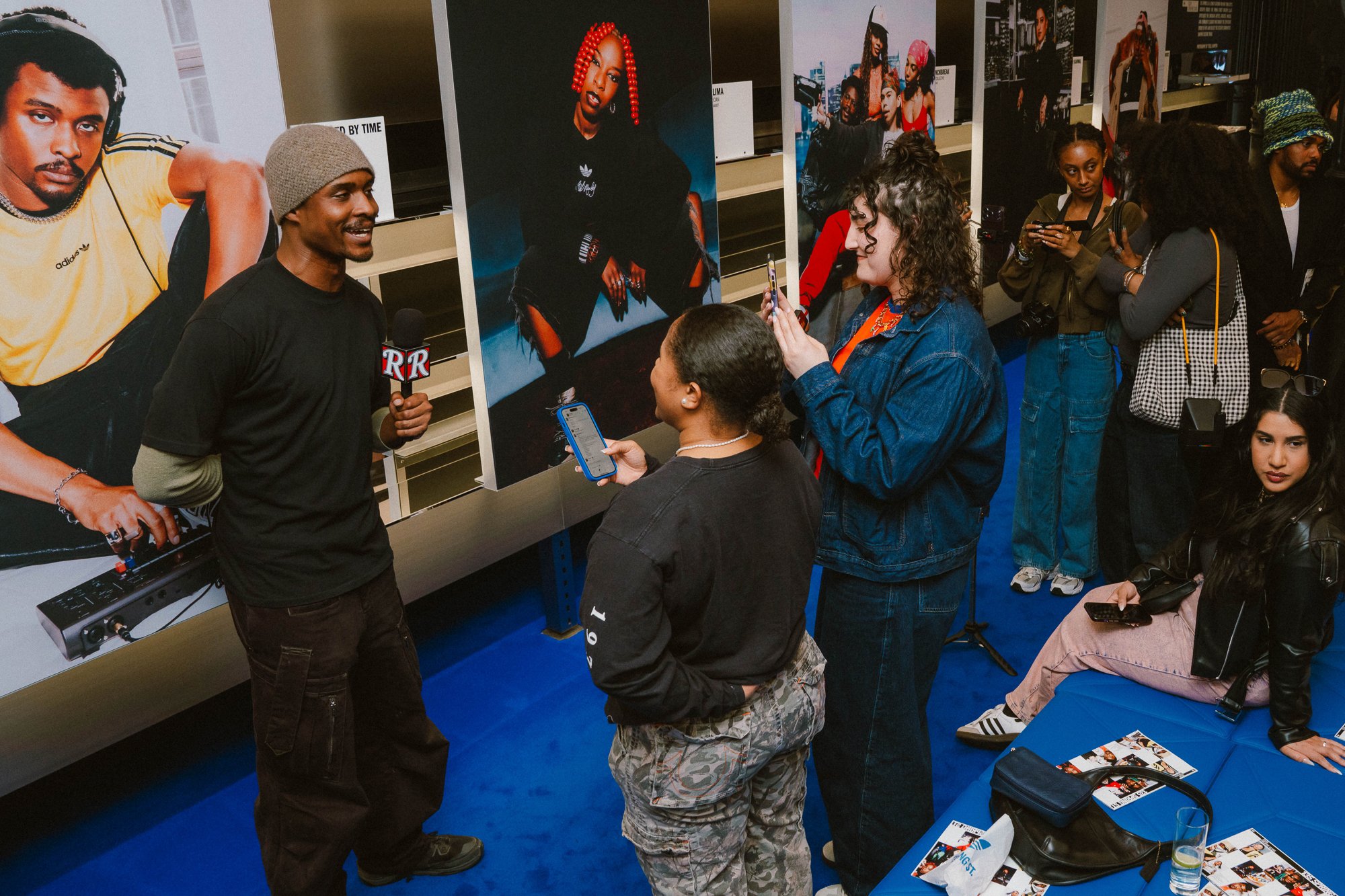
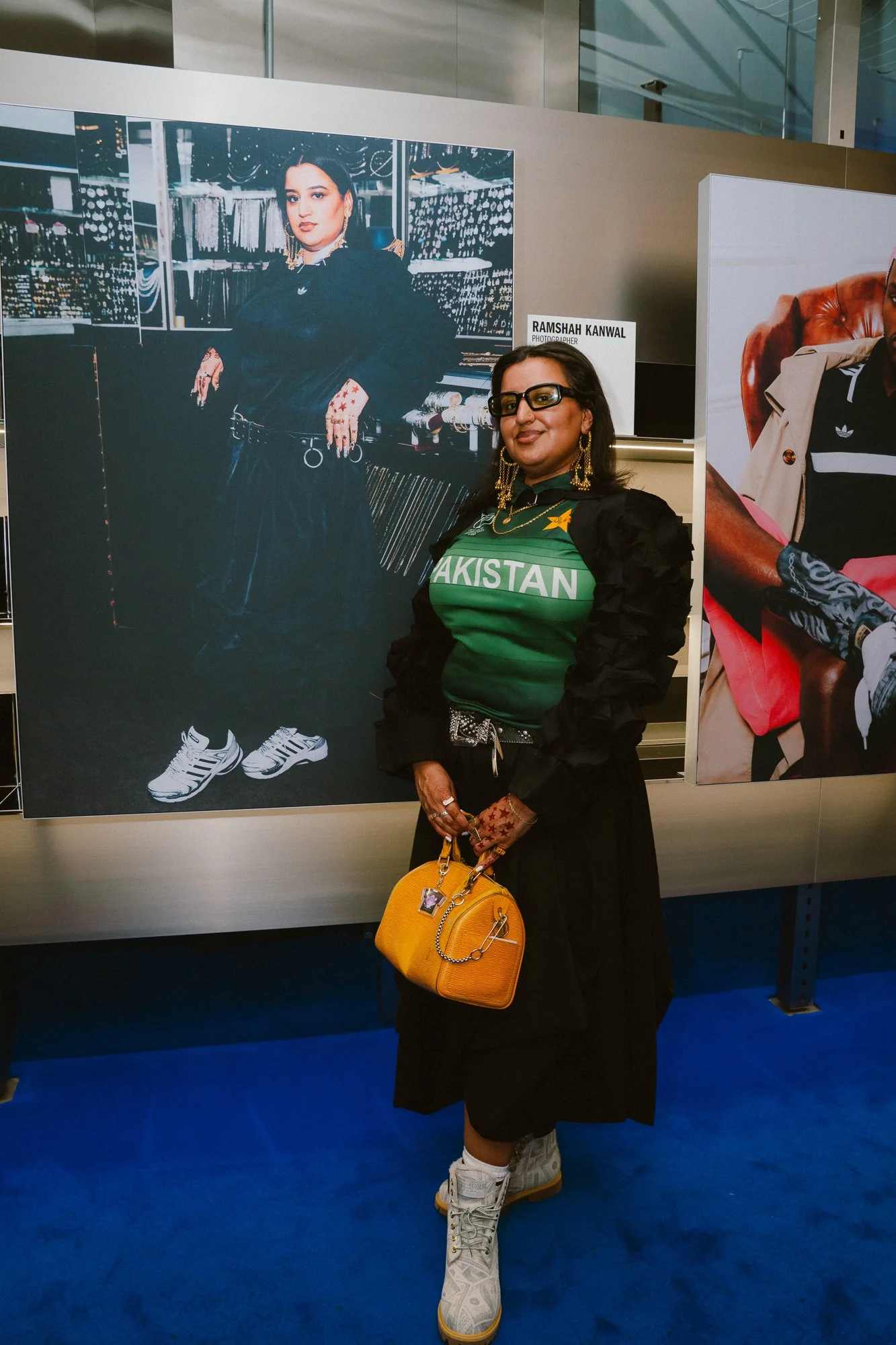
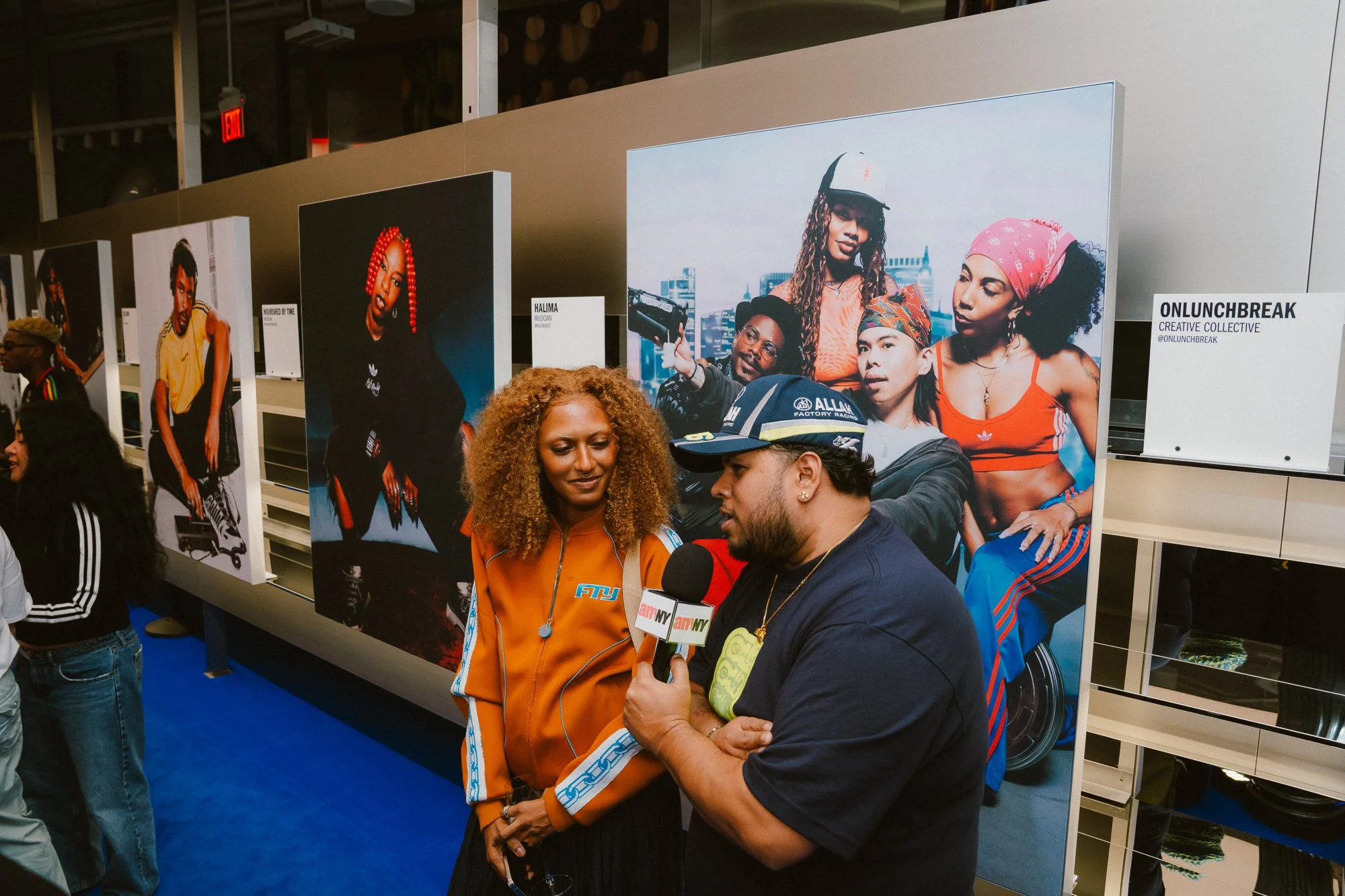
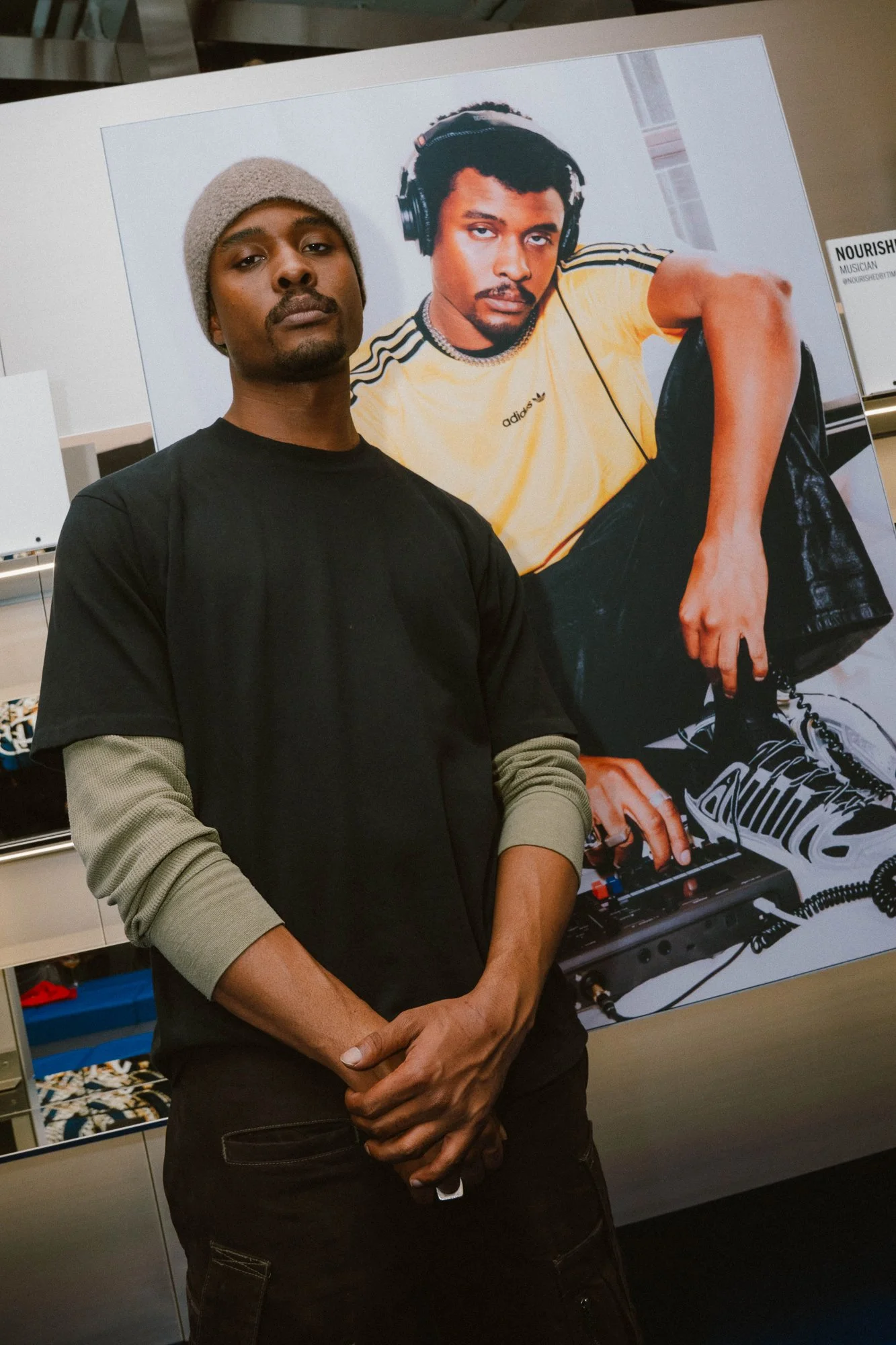
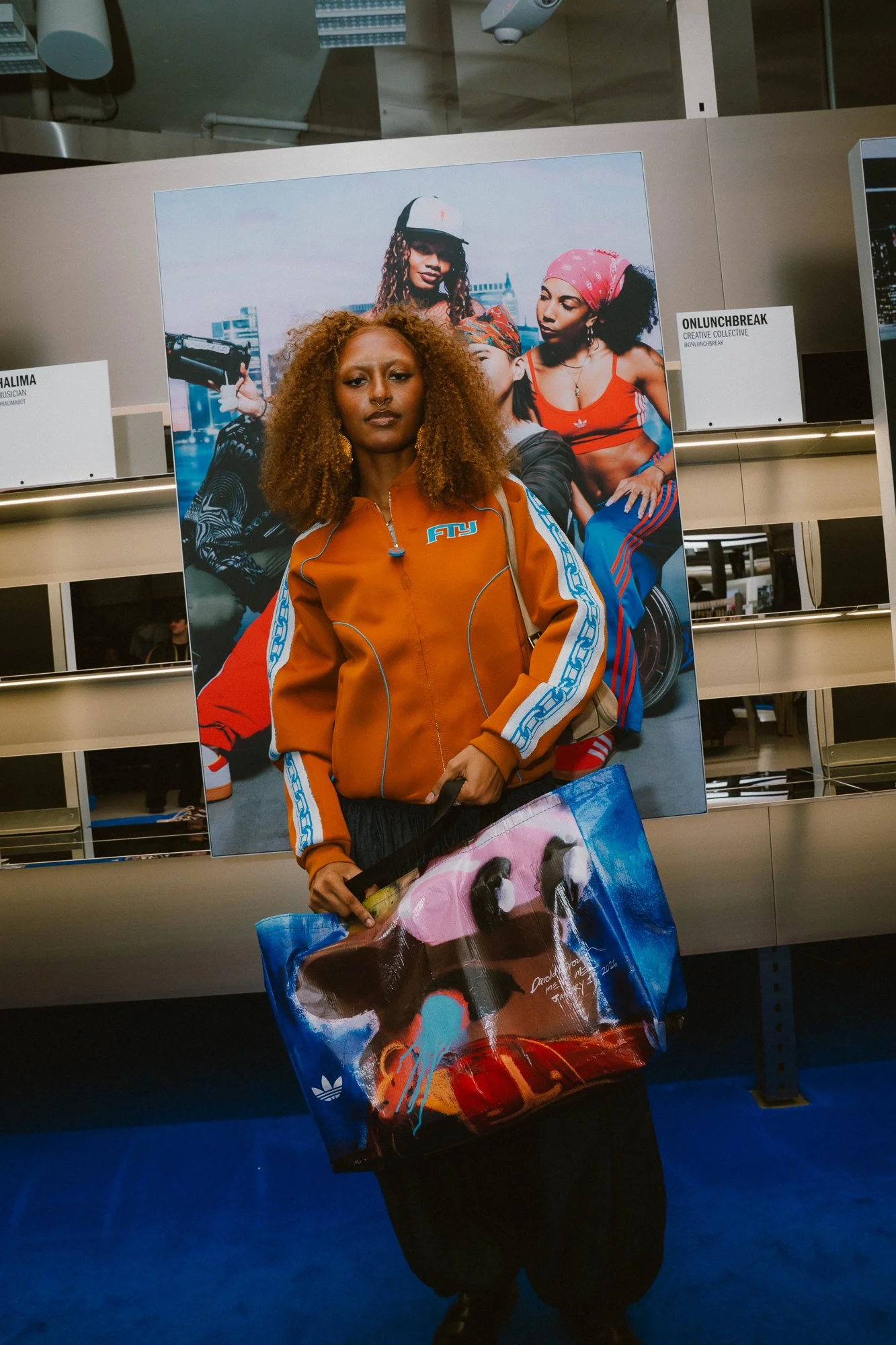
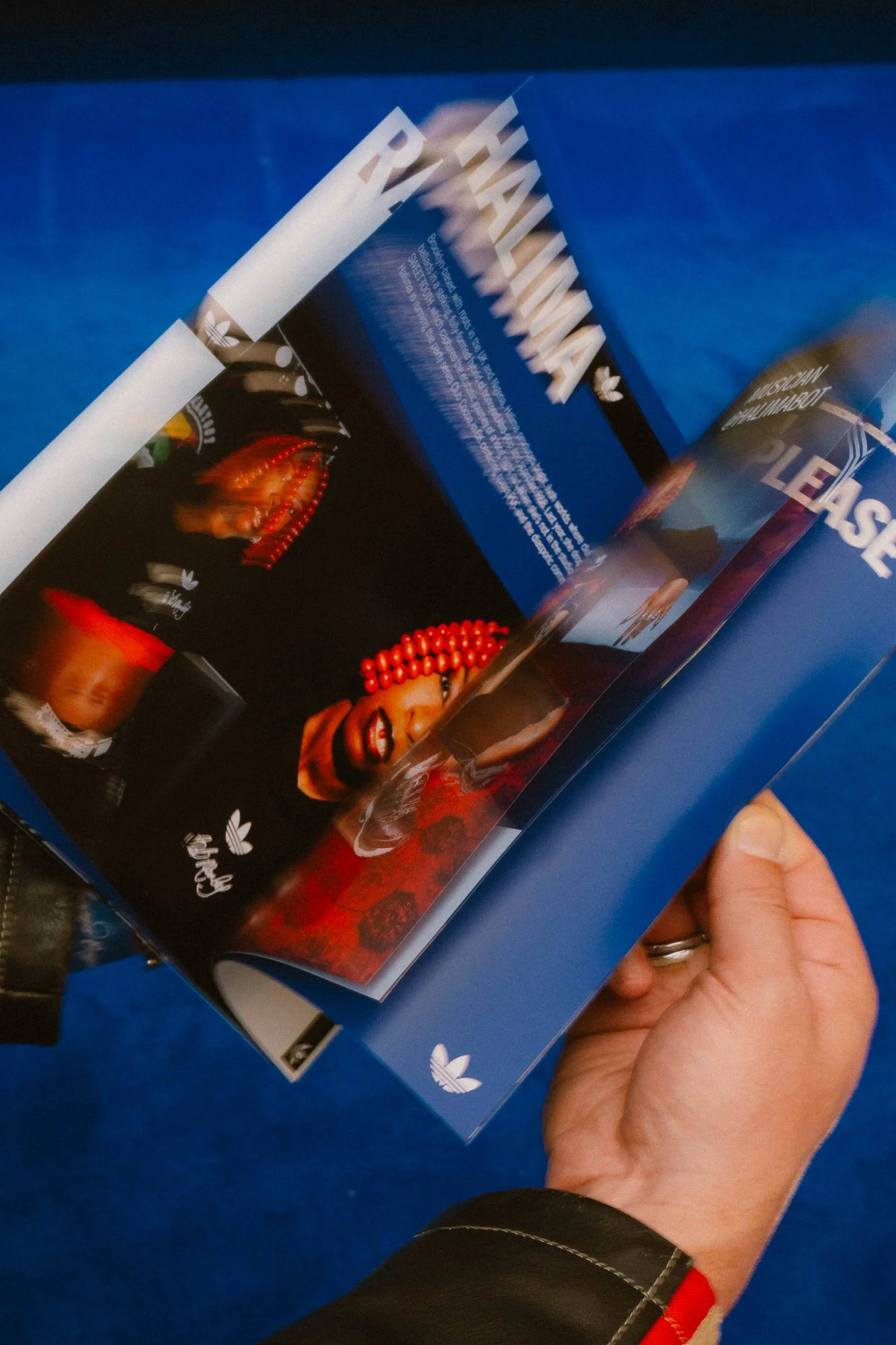
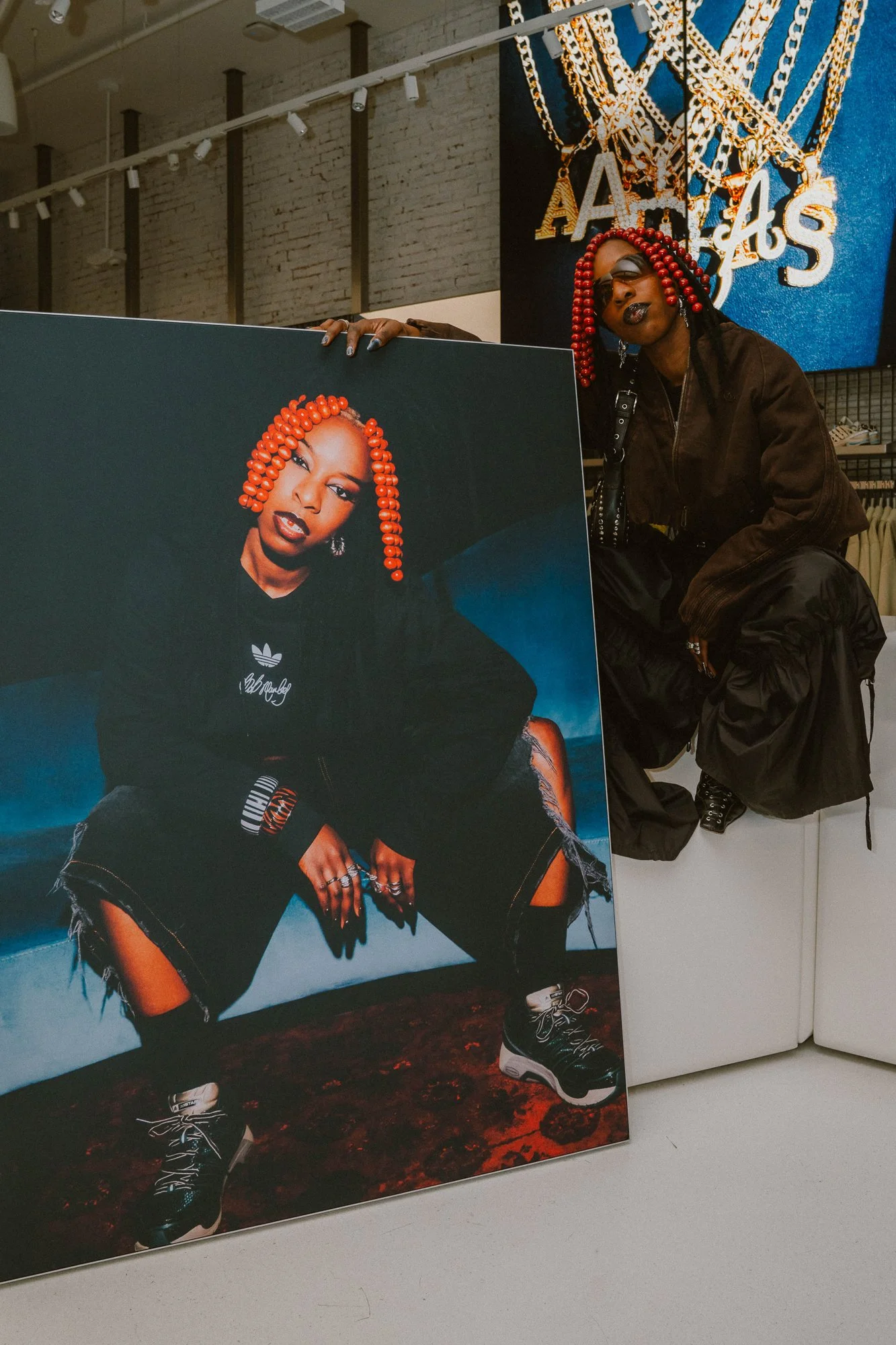
At the center of this initiative is the SS26 Creative Class, a cohort that reflects the layered realities of contemporary New York creativity. Artists like Nourished by Time and Halima exist alongside designers such as Doctor Garmentz and image-makers like Ramshah Kanwal. Community voices—including organizer Marz Lovejoy and basketball curator Alex Taylor—round out a collective that feels less curated for optics and more assembled through proximity to real influence.
This is where adidas demonstrates a nuanced understanding of cultural capital: not as something to extract, but to invest in. By positioning these individuals not as campaign faces but as ongoing collaborators, the brand is effectively decentralizing authorship—allowing the narrative of the space to evolve in real time.
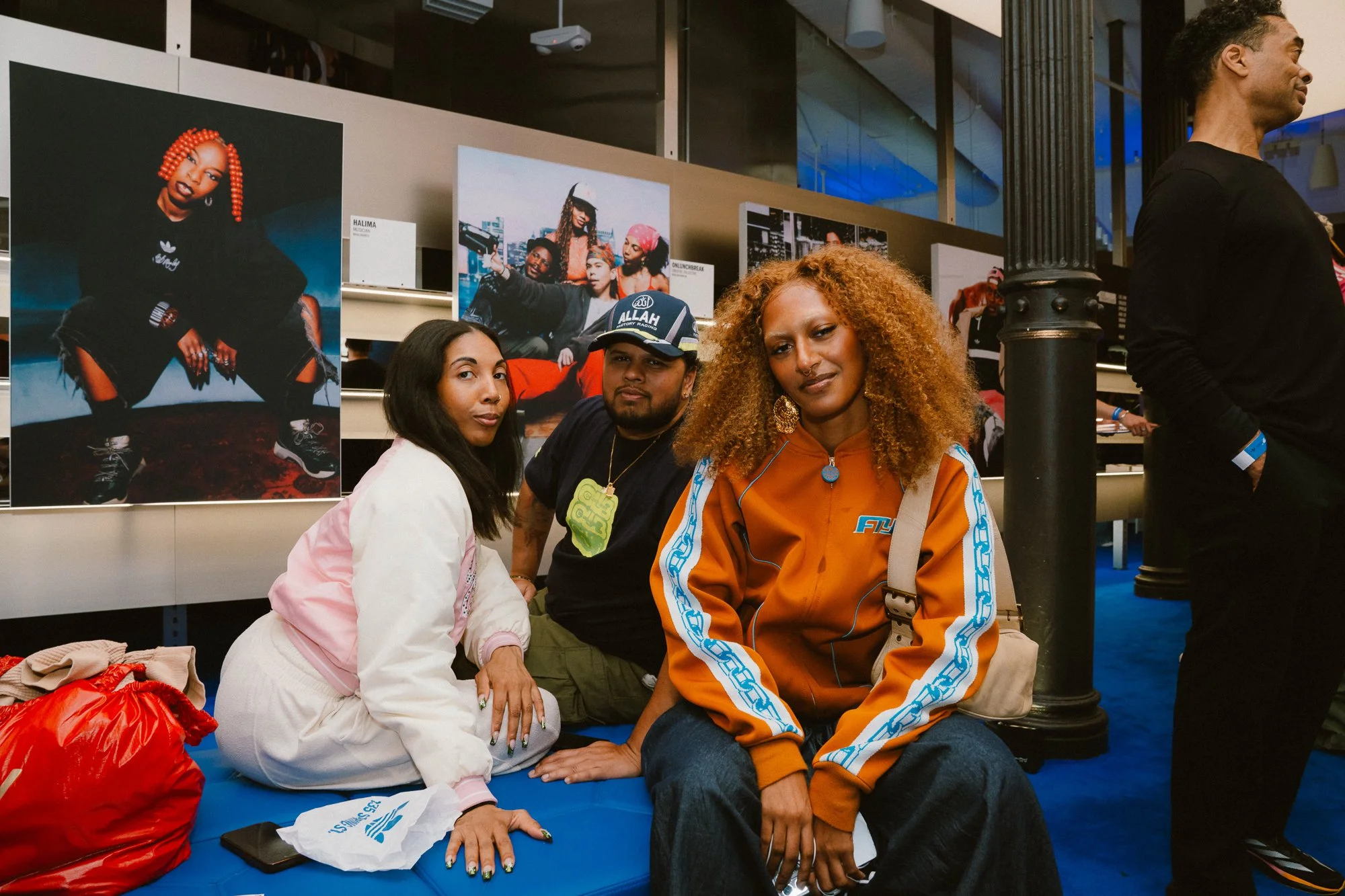
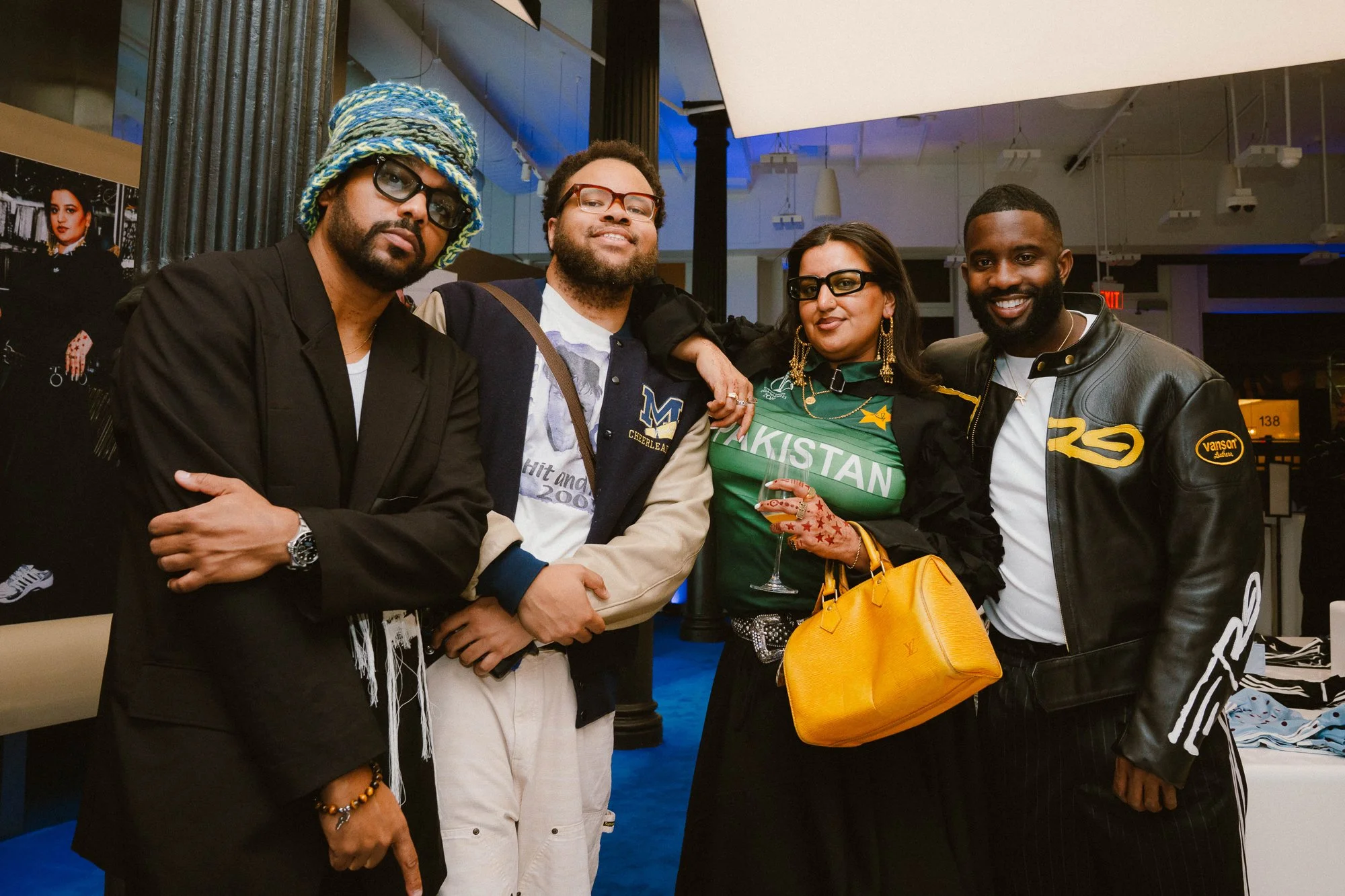
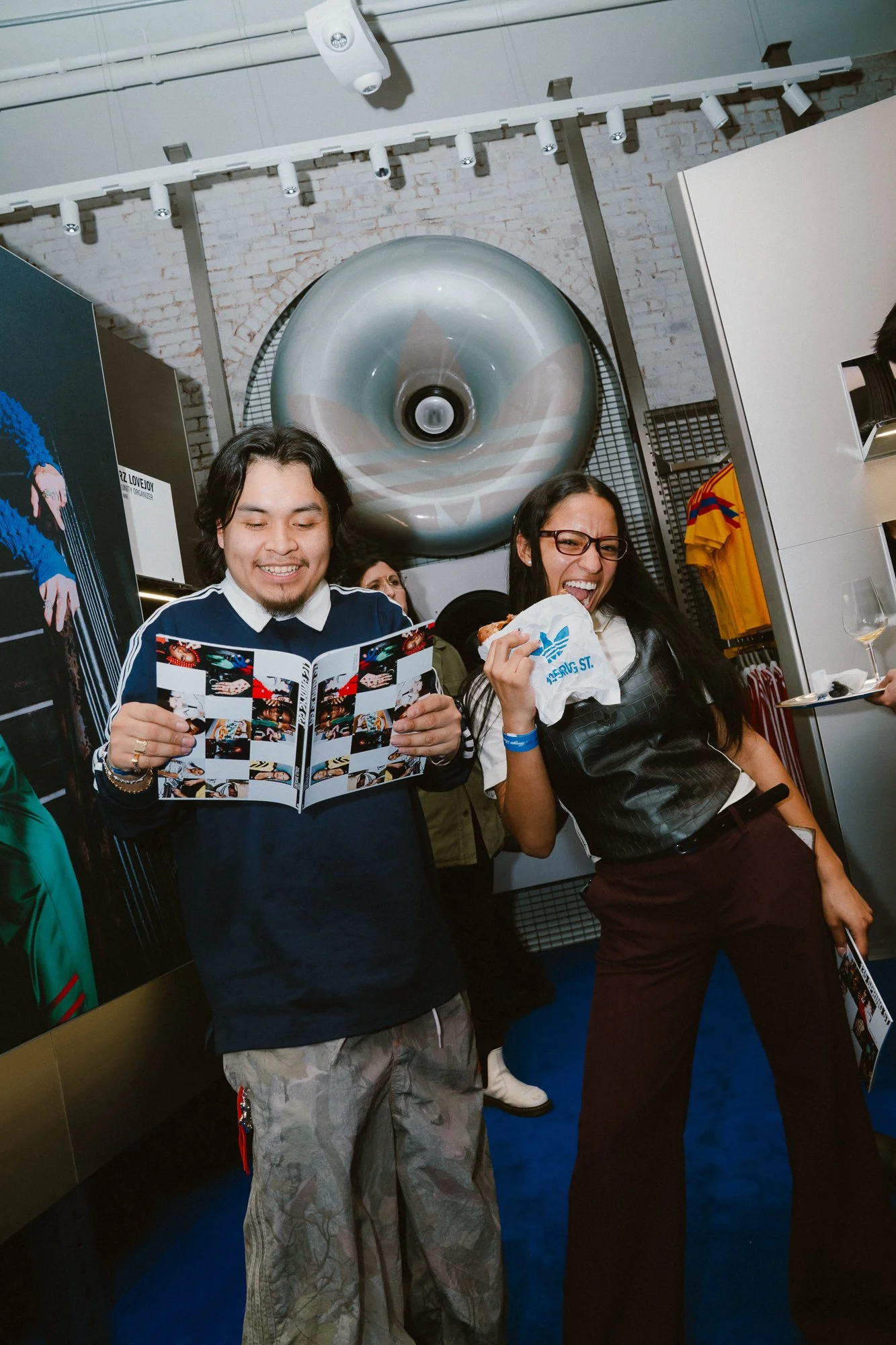
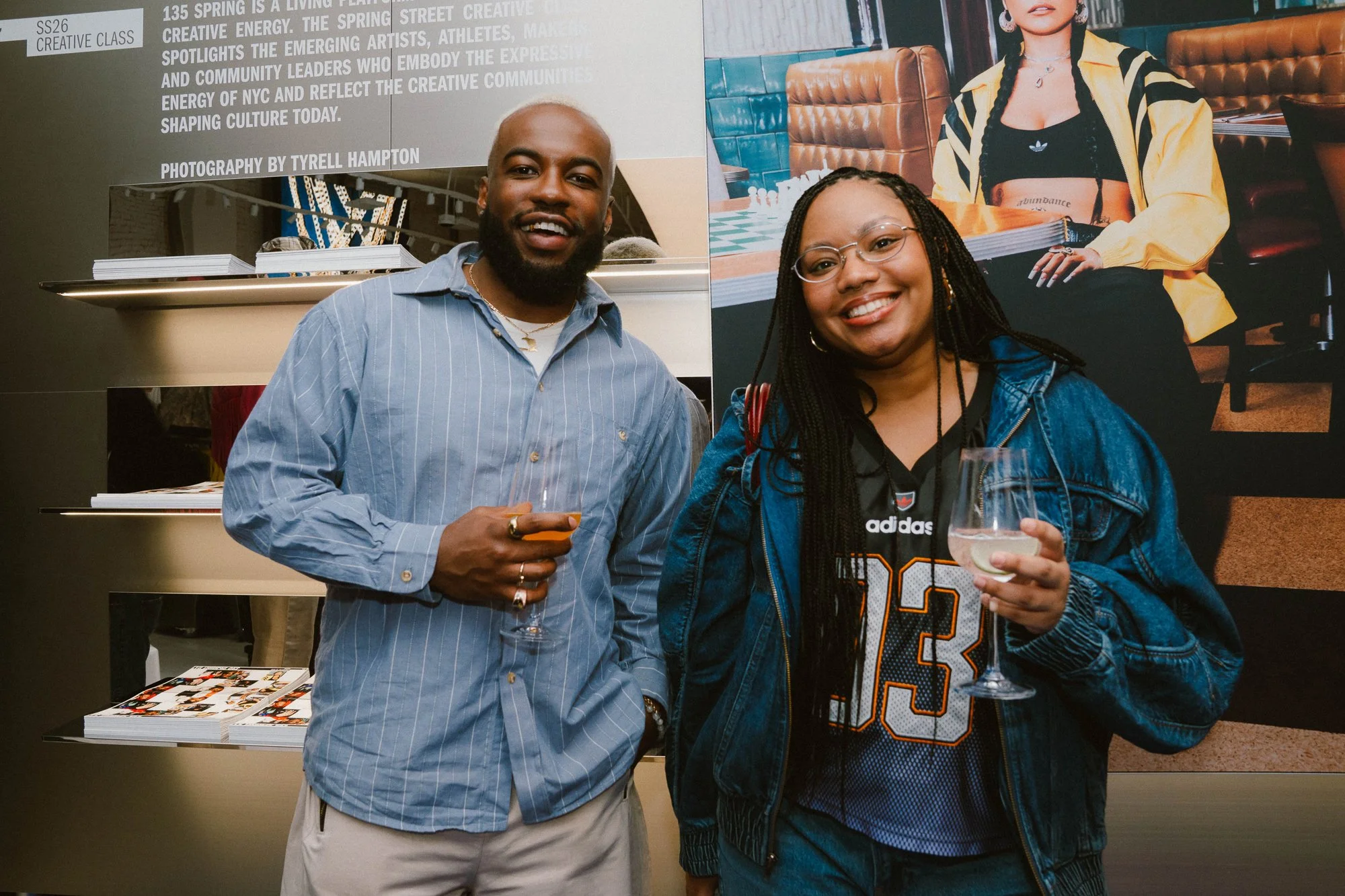
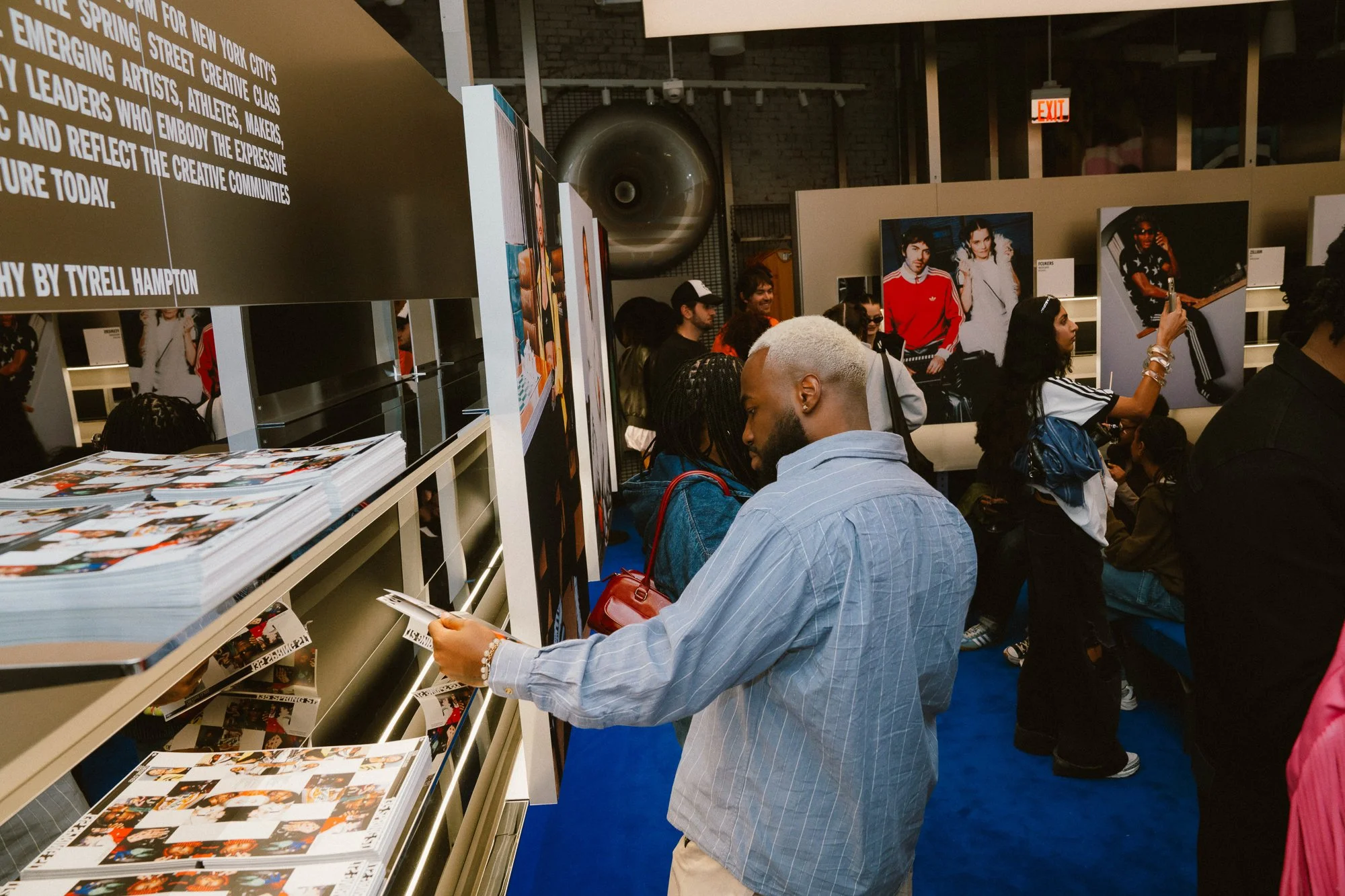
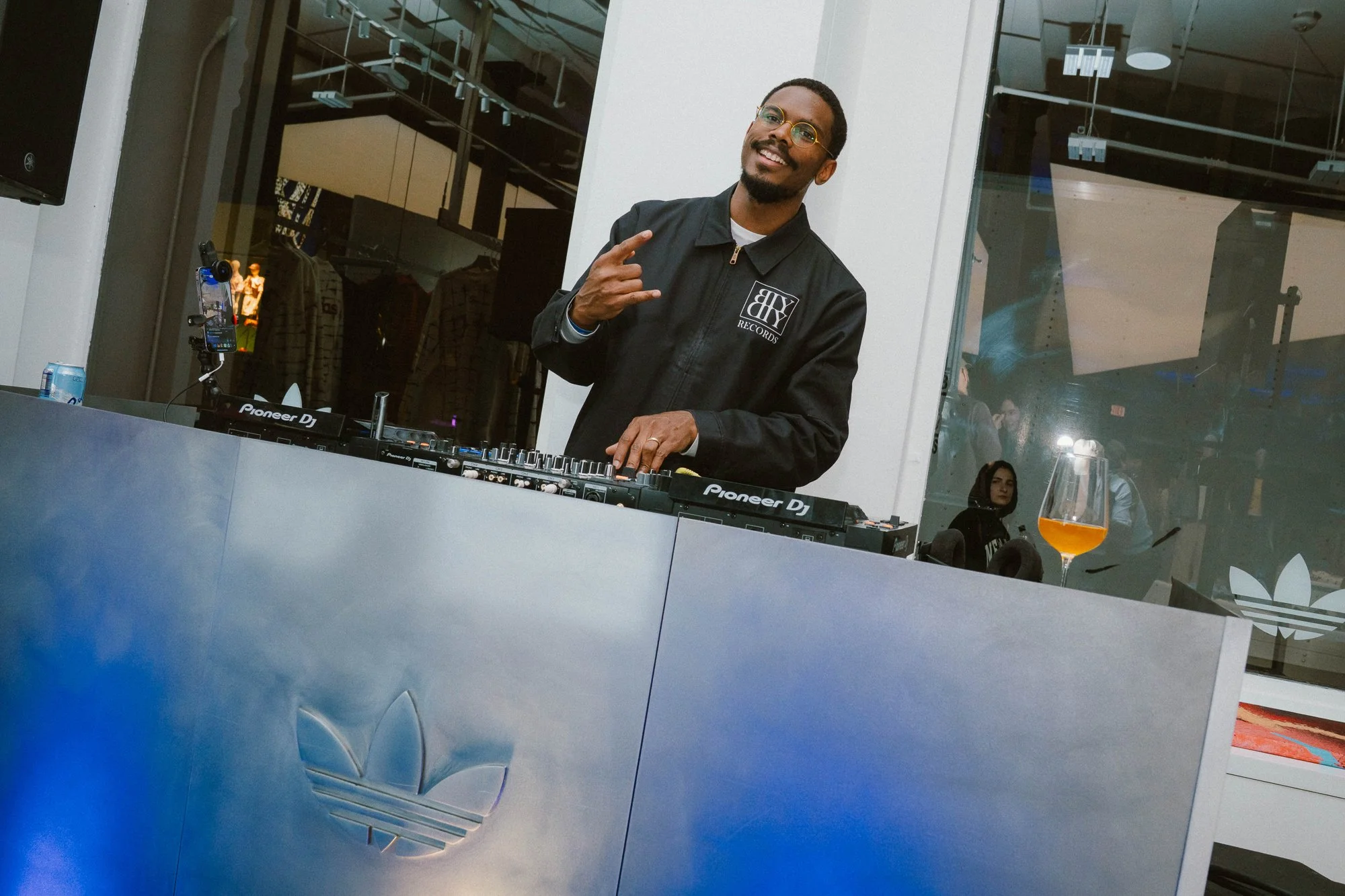
The launch event itself reinforced this ethos. A photographic exhibition by Tyrell Hampton—whose work has long documented the intimacy of youth culture—set the tone for an evening that blurred the lines between gallery, gathering, and activation. Soundtracked by Stonie Blue, the space moved with the cadence of the city it seeks to reflect.
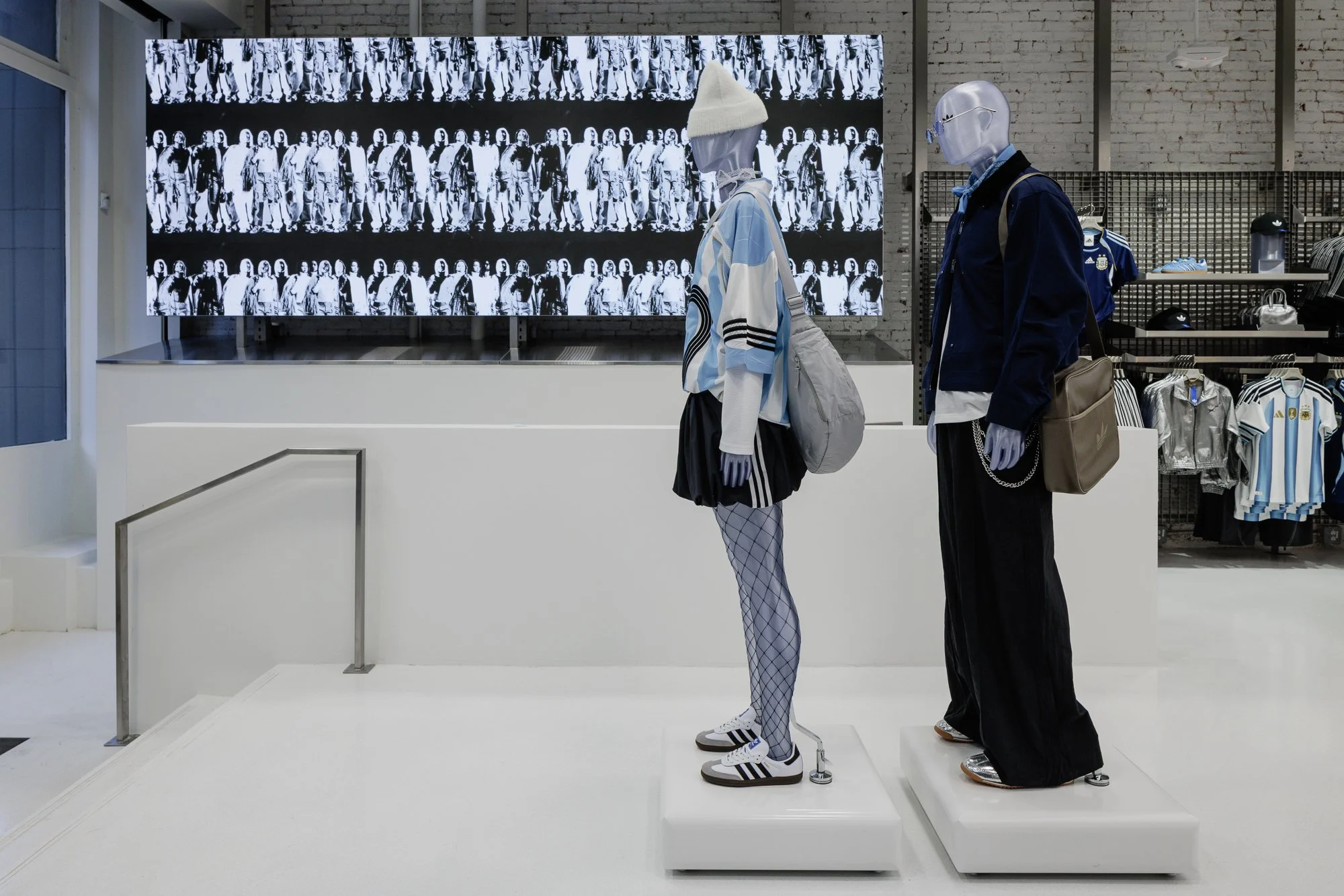
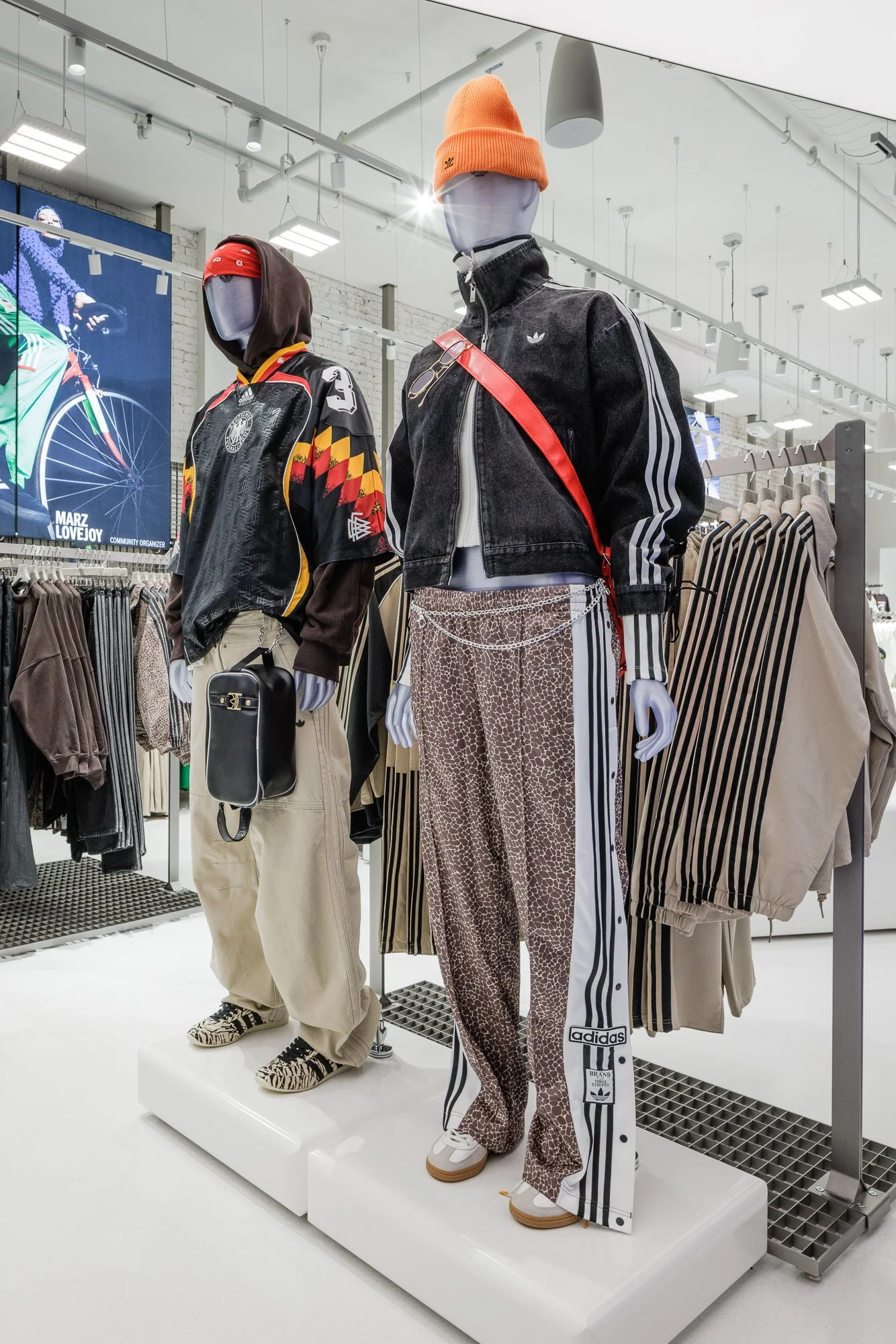
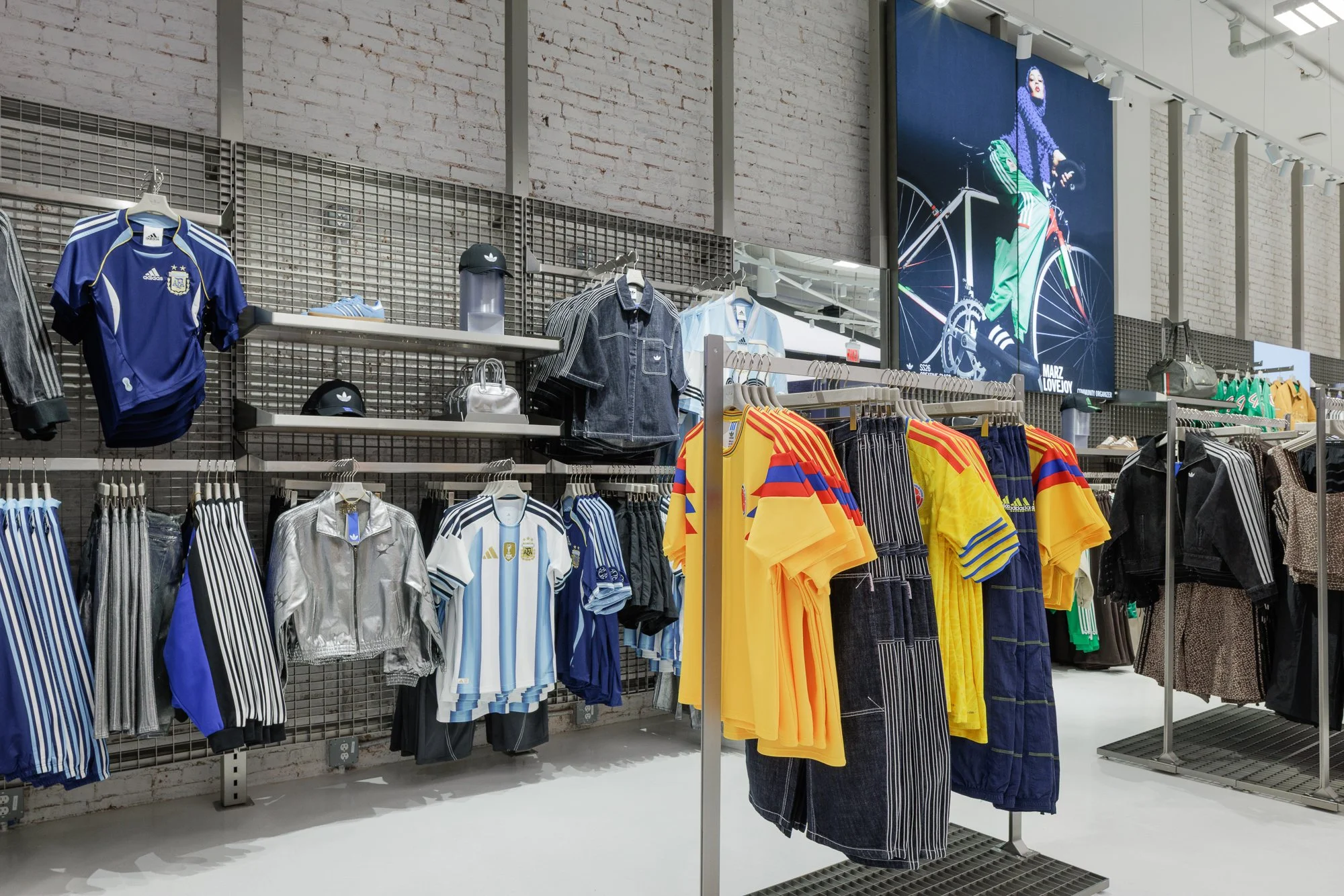
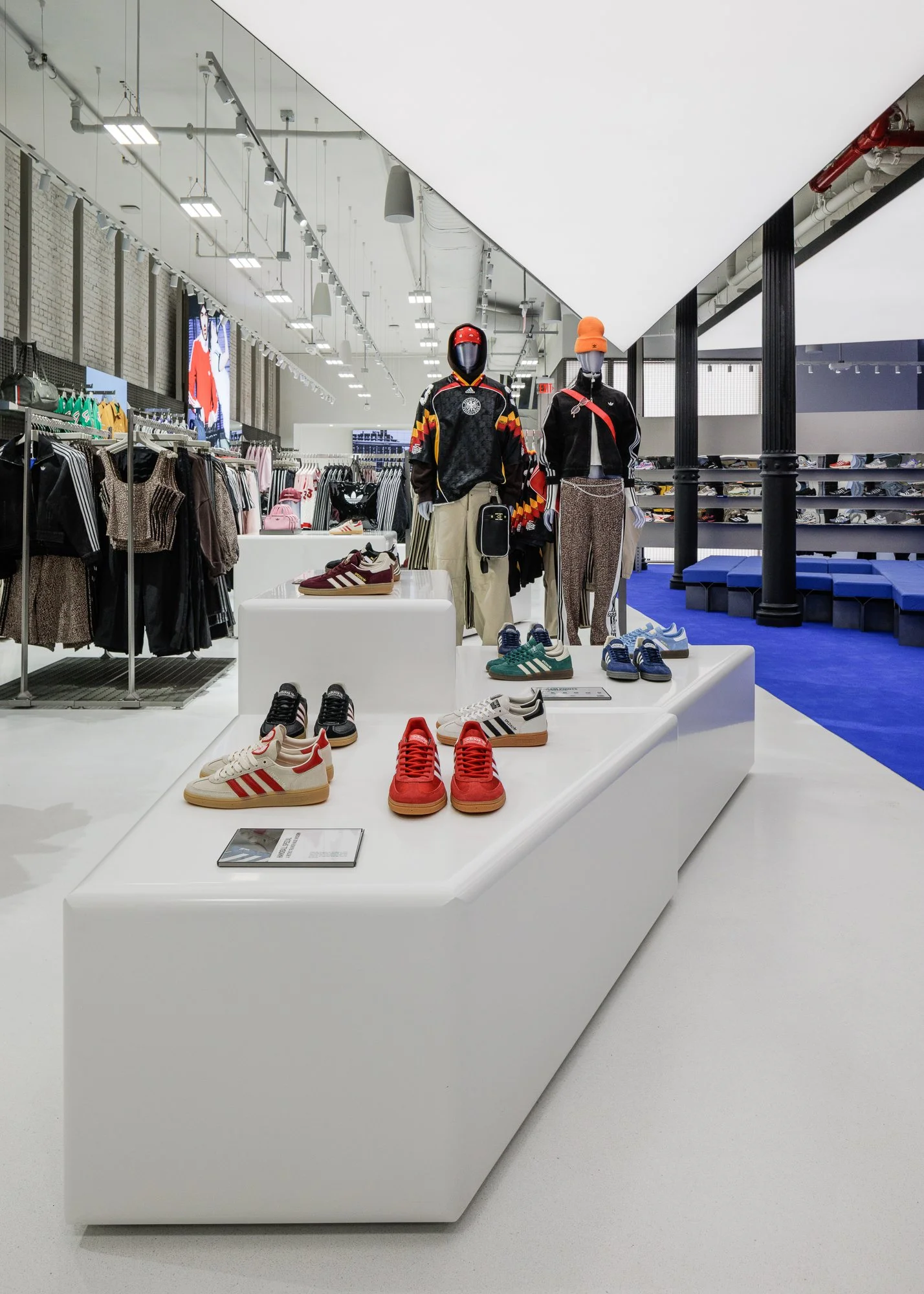
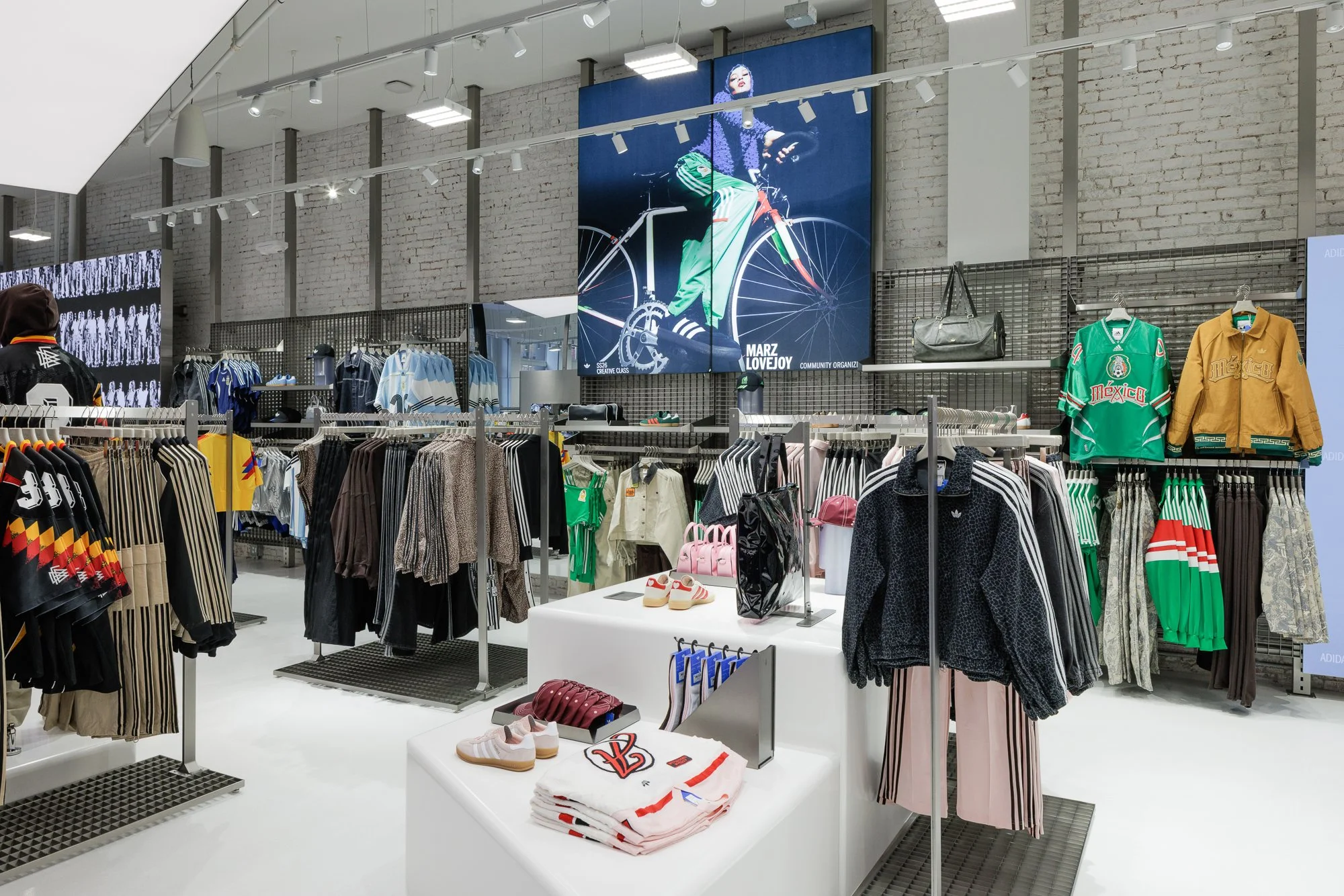
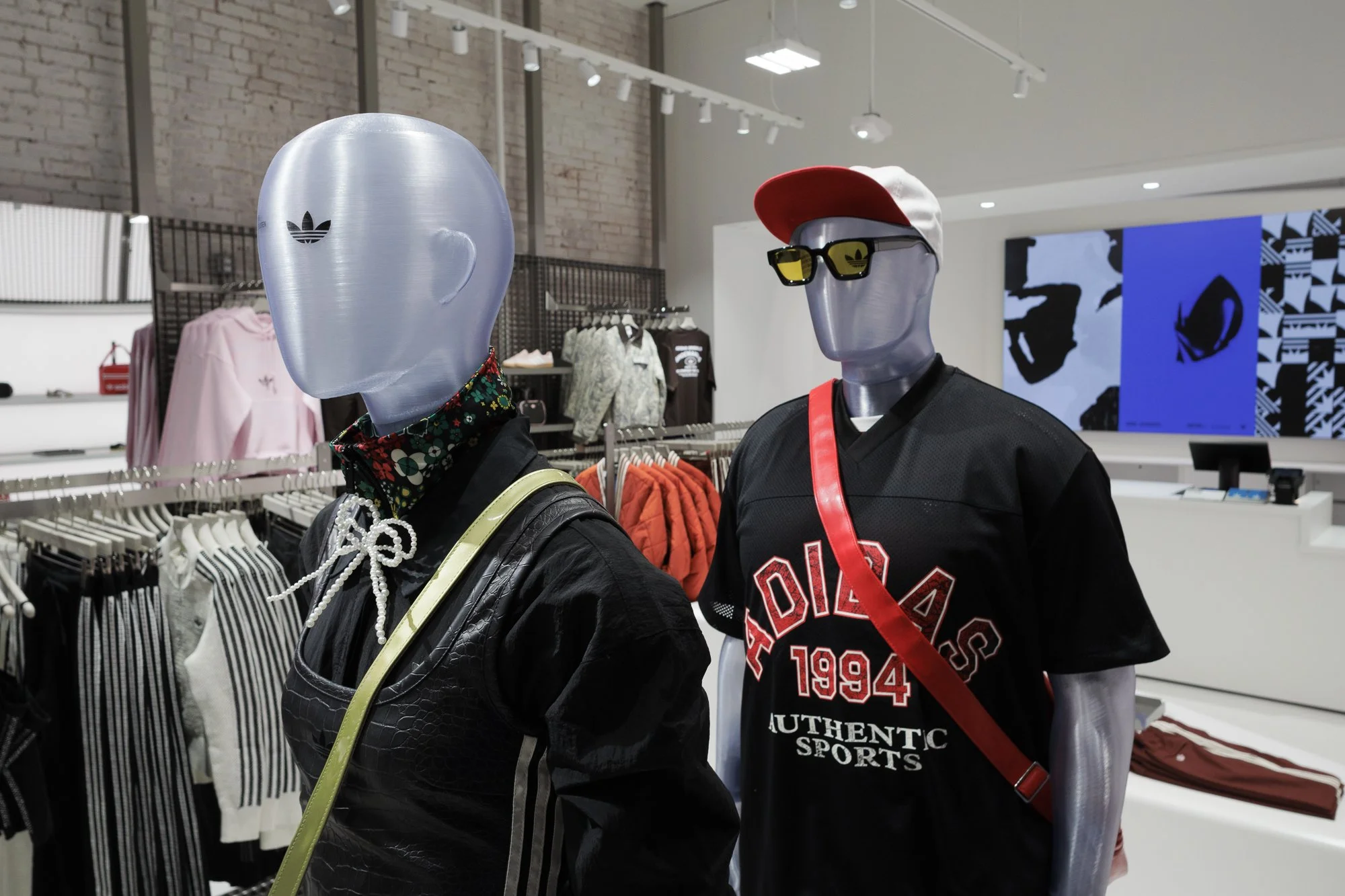
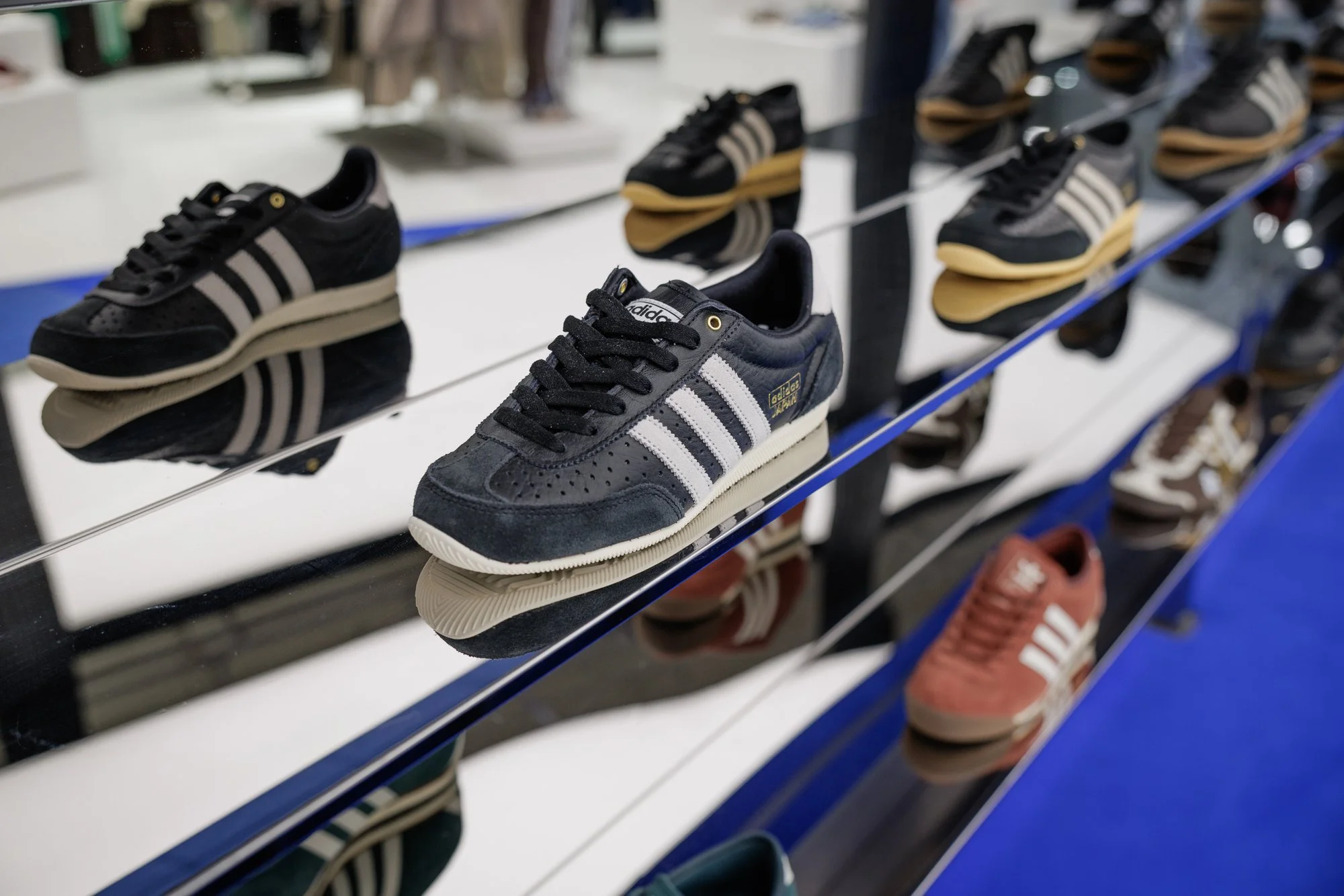
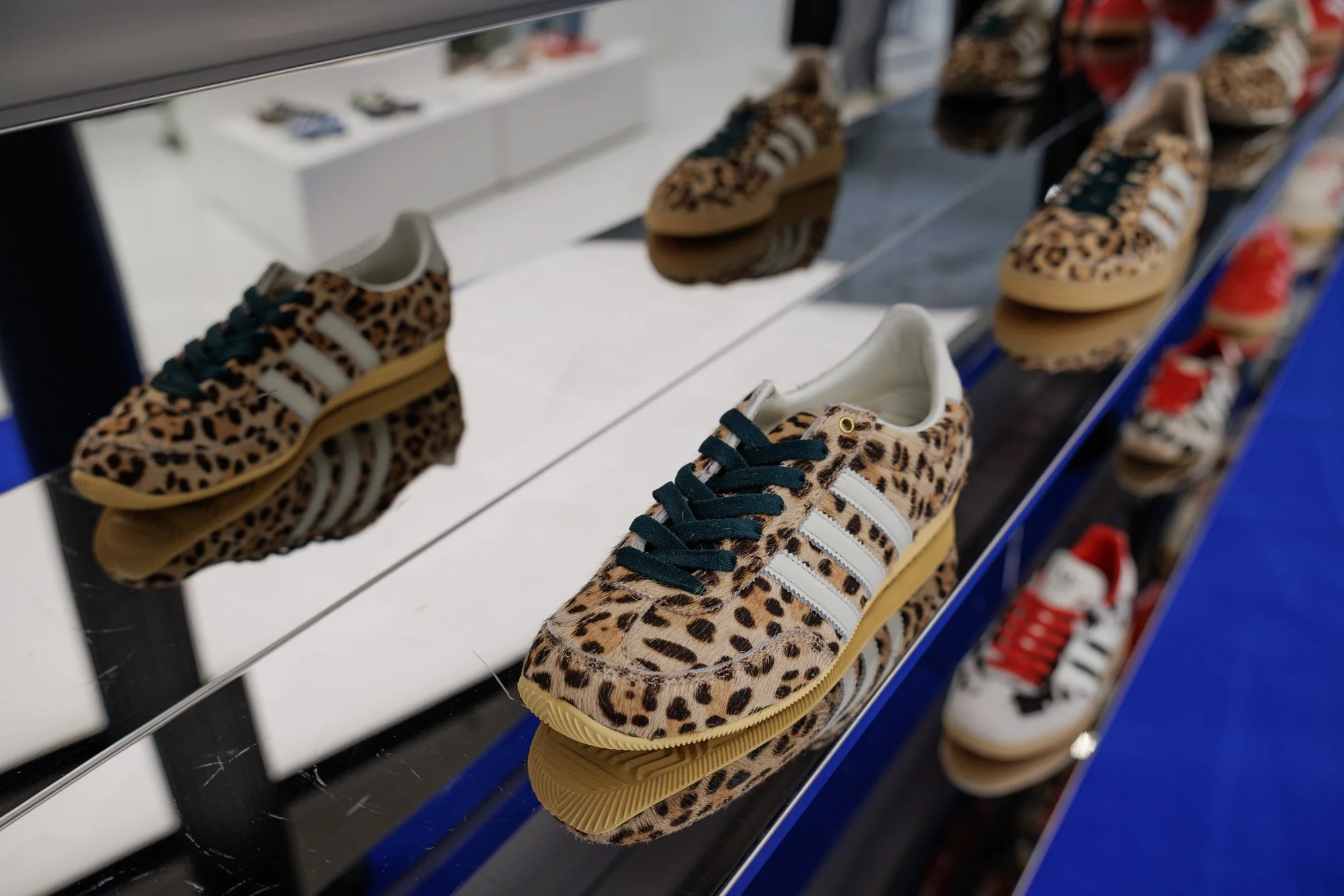
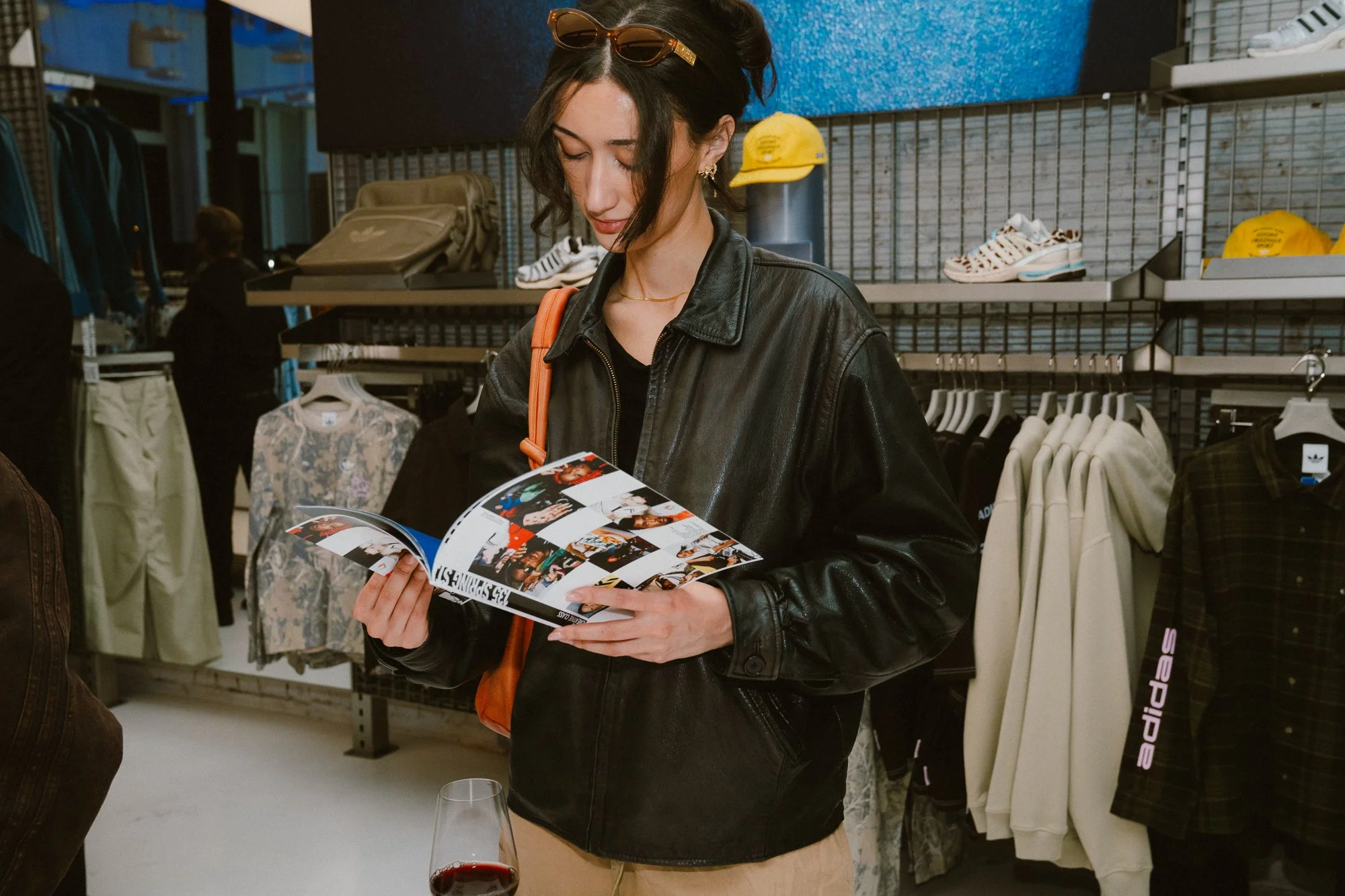
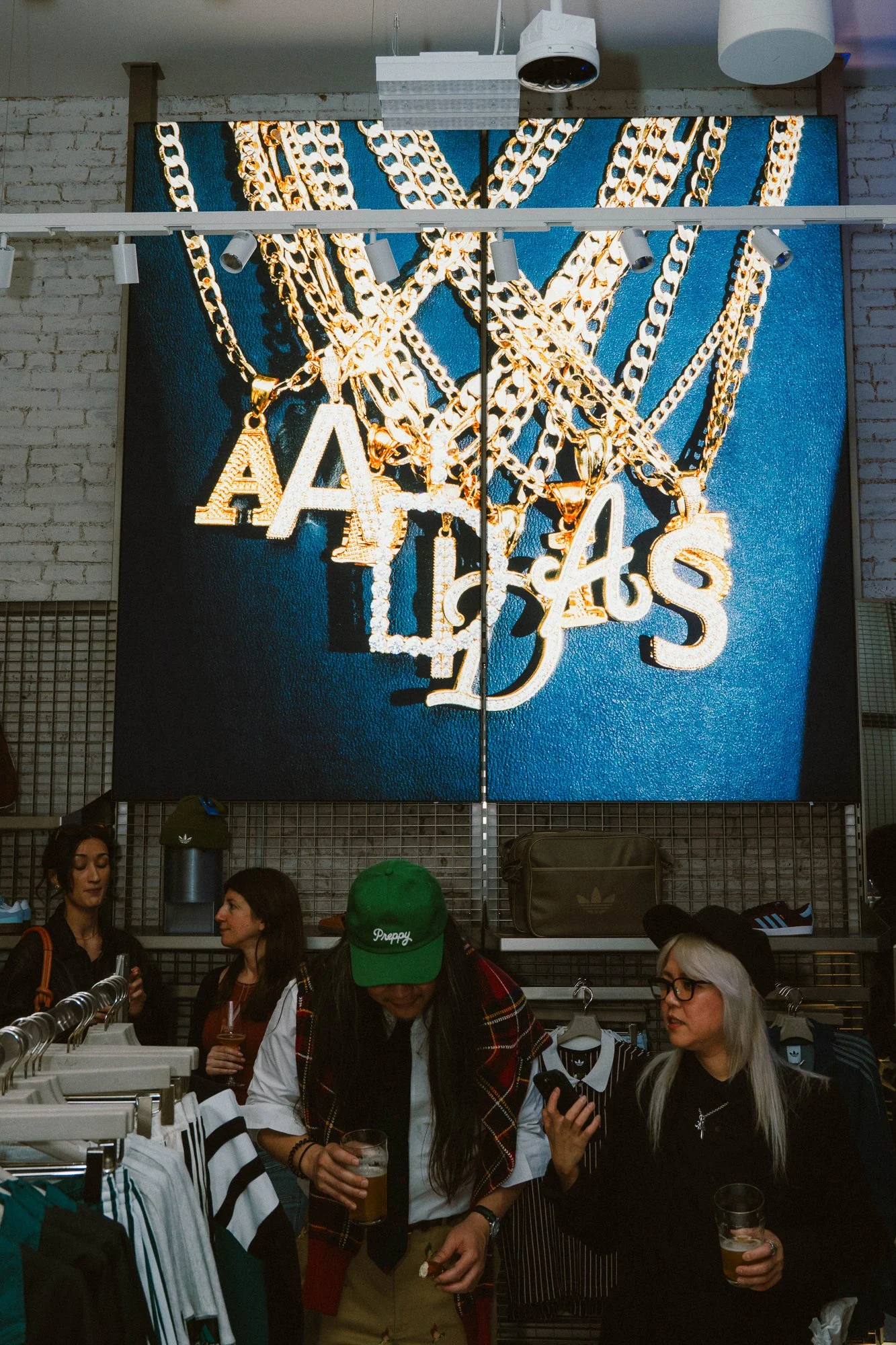
Yet, the physical environment is equally critical to the story. The flagship preserves the architectural memory of SoHo—exposed brick, industrial bones—while introducing a forward-facing material language of reflective surfaces and digital touchpoints. Installations from collectives like New York Sunshine and contributions from artists such as Darold Brown and Atticus Torre embed the store within a broader creative dialogue. Even the sonic experience, shaped by Silence Please, underscores the brand’s recognition that culture is multisensory.
What emerges is a retail model that mirrors the logic of contemporary media: fluid, participatory, and constantly updating. Large-scale rotating frames featuring local talent and styling moments nod to New York’s enduring relationship with street photography, while digital integrations ensure that the narrative remains dynamic rather than fixed.
In many ways, the Creative Class initiative functions as a long-term content engine—one that extends beyond seasonal drops into sustained cultural engagement. Residencies, collaborations, and year-round programming suggest that adidas is thinking less about campaigns and more about continuity.
For an industry often caught between heritage and hype, this approach offers a compelling middle ground. By embedding itself within the communities that shape culture—rather than orbiting them—adidas is not just maintaining relevance; it is redefining the role a global brand can play at the local level.
And in New York, where authenticity is both currency and critique, that distinction matters.
Creative Class Cohort
Nourished by Time — Musician
Halima — Musician
Fcukers — Band
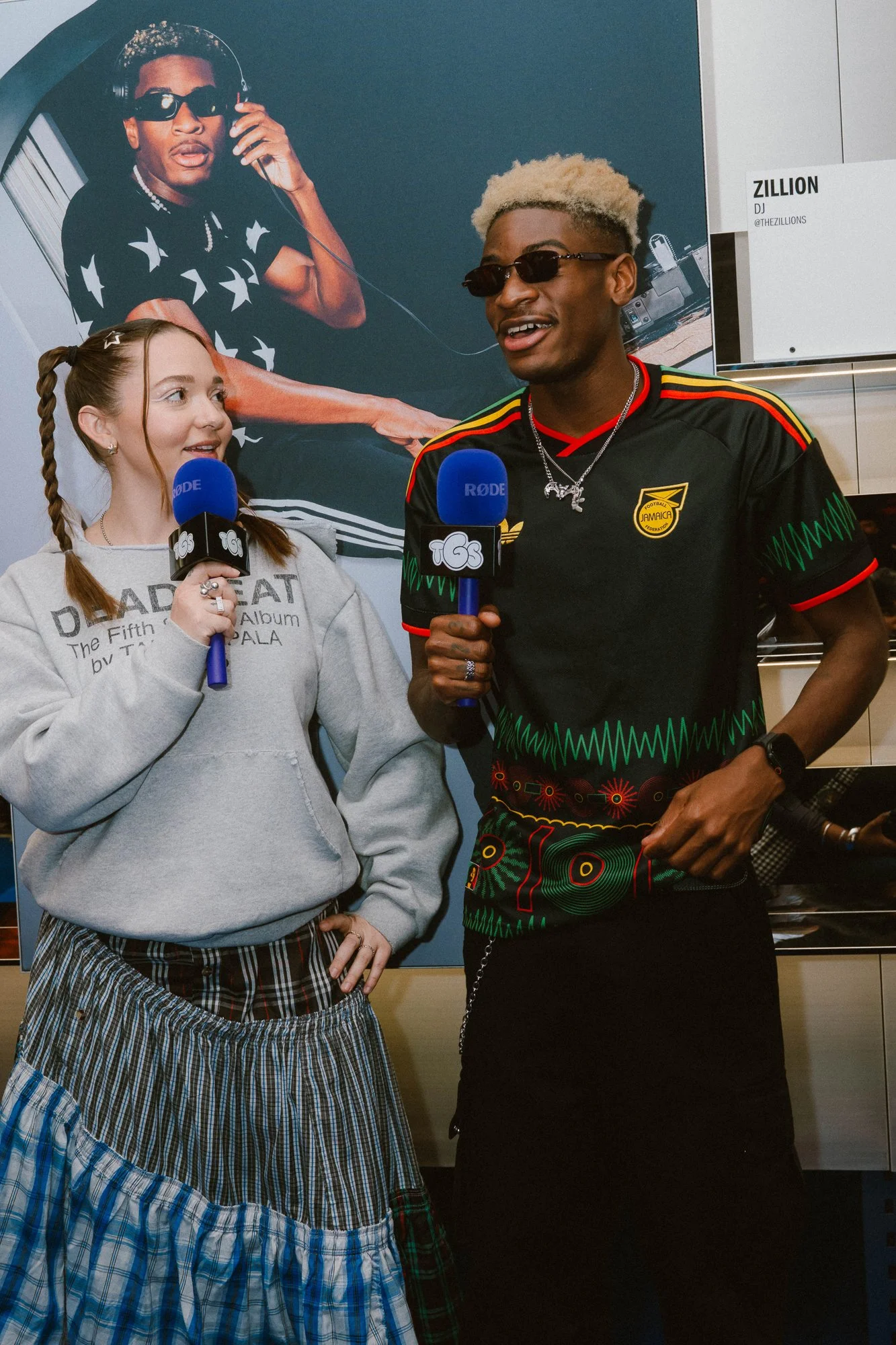
DJ Zillion — DJ
Doctor Garmentz — Designer
Ramshah Kanwal — Photographer
Marz Lovejoy — Community Organizer
Alex Taylor — Basketball Organizer
Thuan Tran — Director
Z — Local Organizer
Launch Event & Space Contributors
Tyrell Hampton — Exhibition Photographer
Stonie Blue — DJ (Event Soundtrack)
New York Sunshine — Sculpture Installation
Darold Brown [aka Ferg] — Custom Textiles
Atticus Torre — Customization Artwork
Silence Please — Sound Installation
HOW DO YOU FEEL ABOUT FASHION?
COMMENT OR TAKE OUR PAGE READER SURVEY
Featured



Wale joins CapSole as Chief Creative Officer and equity partner, bringing his influence in sneaker culture to a business focused on preservation, sustainability, and extending the life of collectible footwear.