
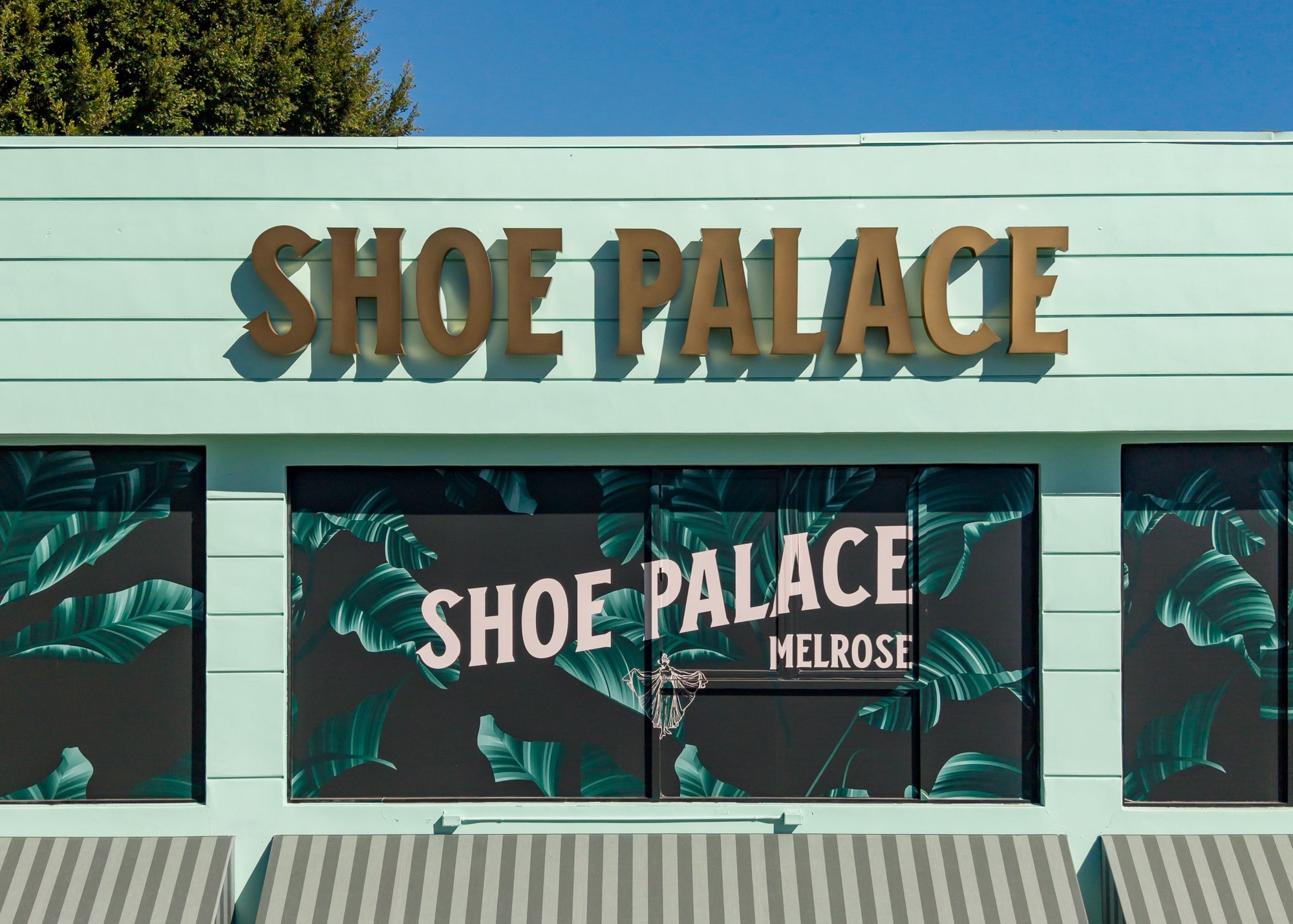
Shoe Palace Reimagines Retail With Prohibition-Inspired ‘Nine Three’ Flagship On Melrose Avenue
PAGE
By PAGE Editor
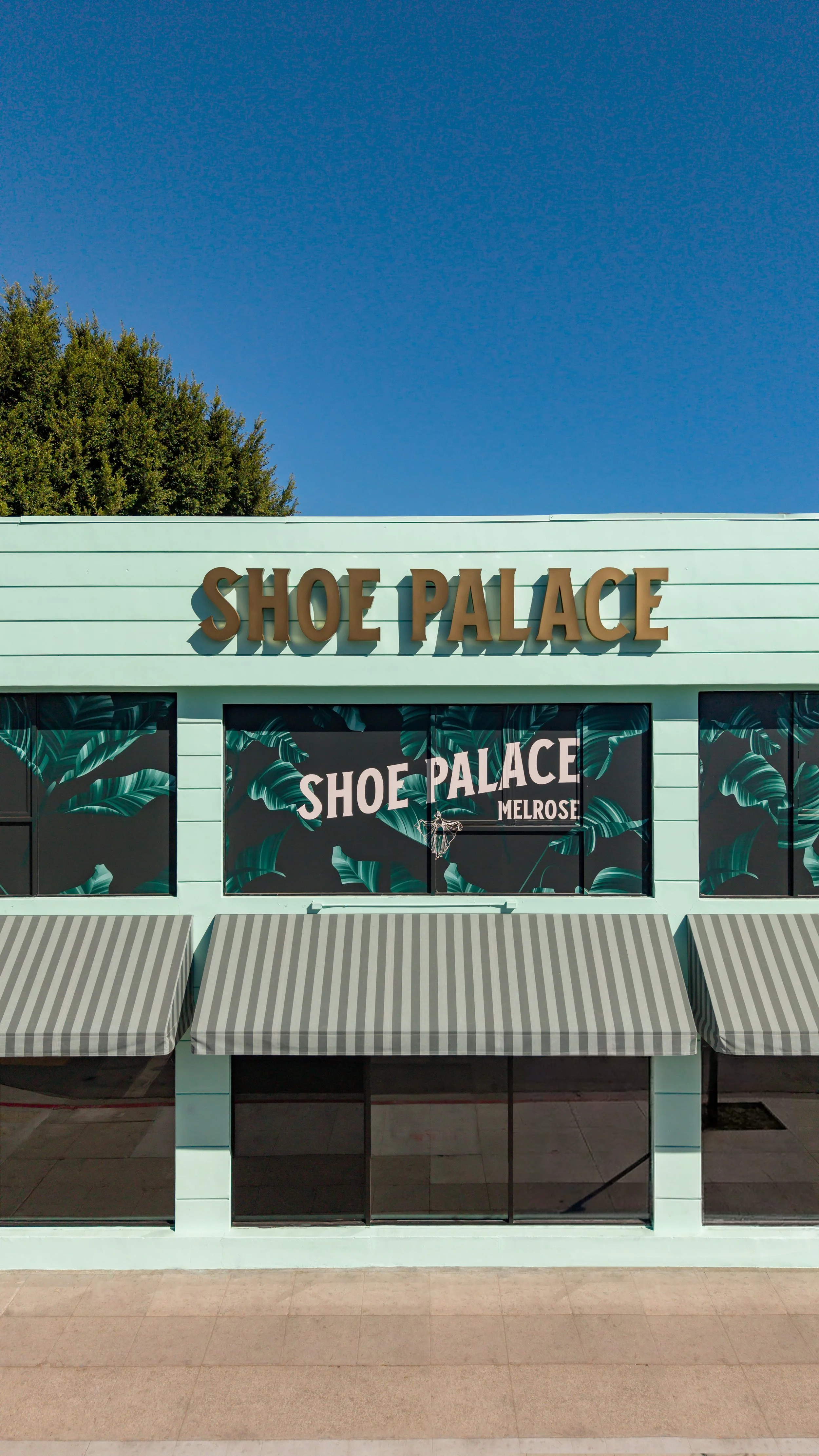
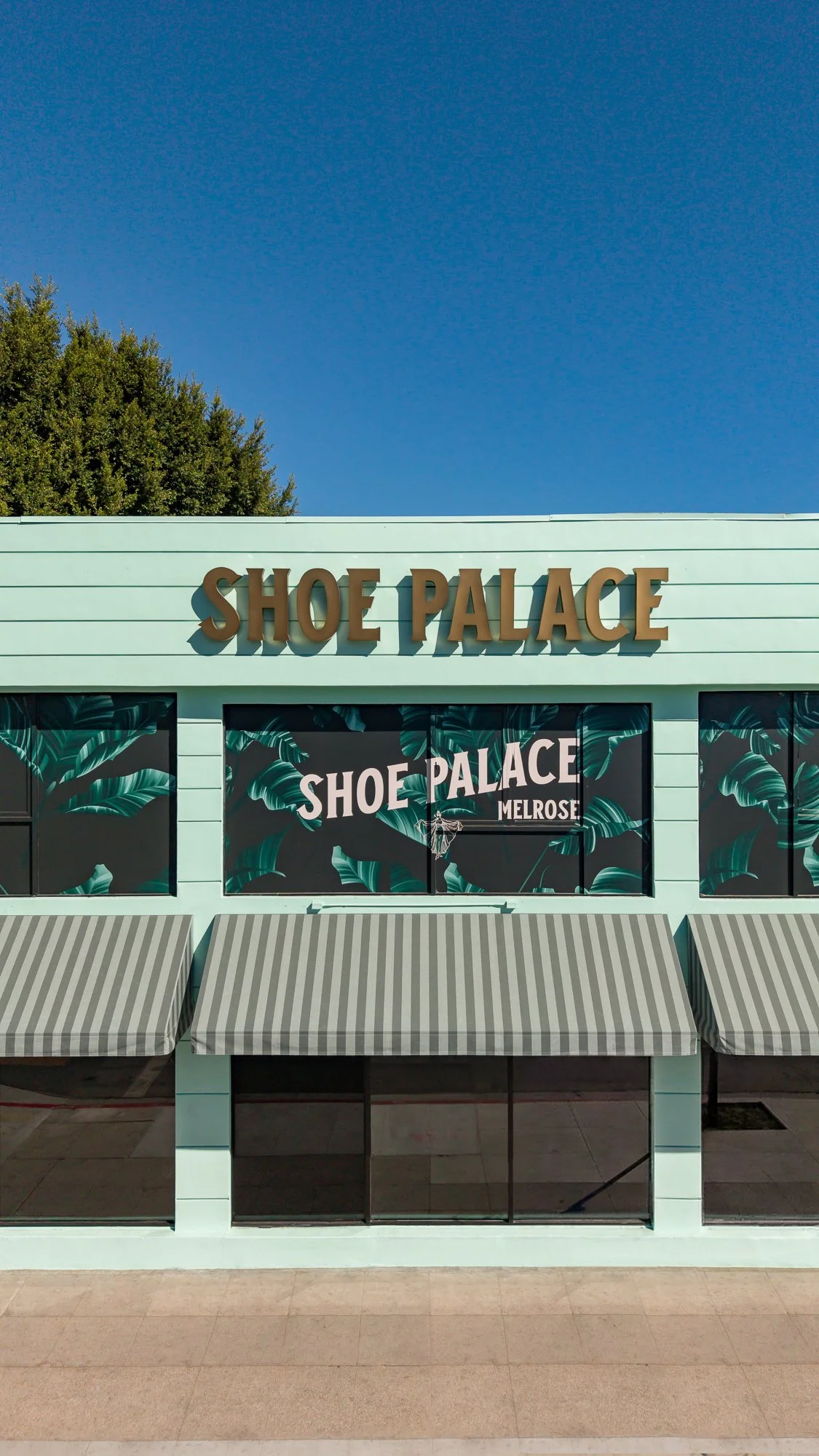
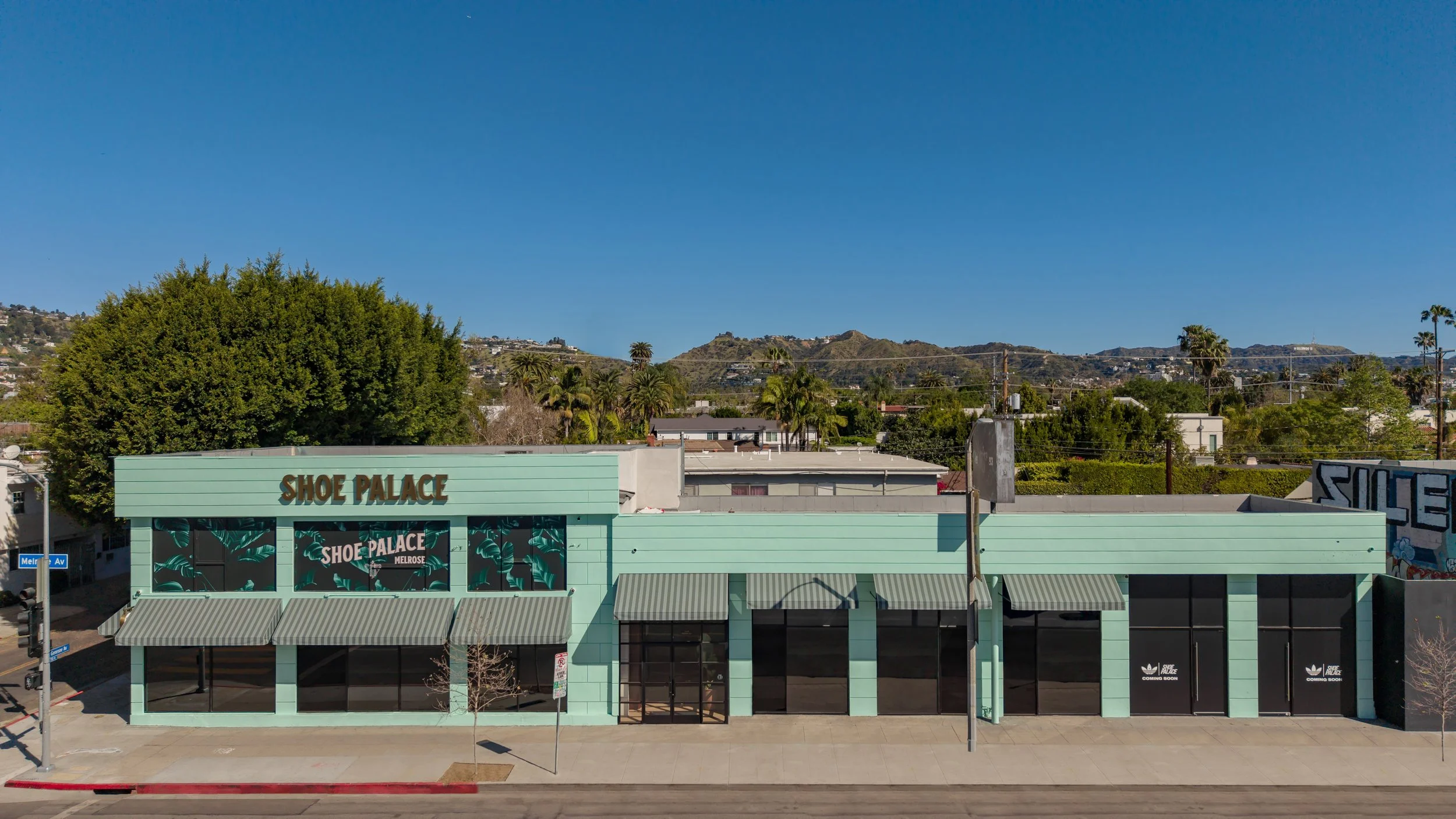
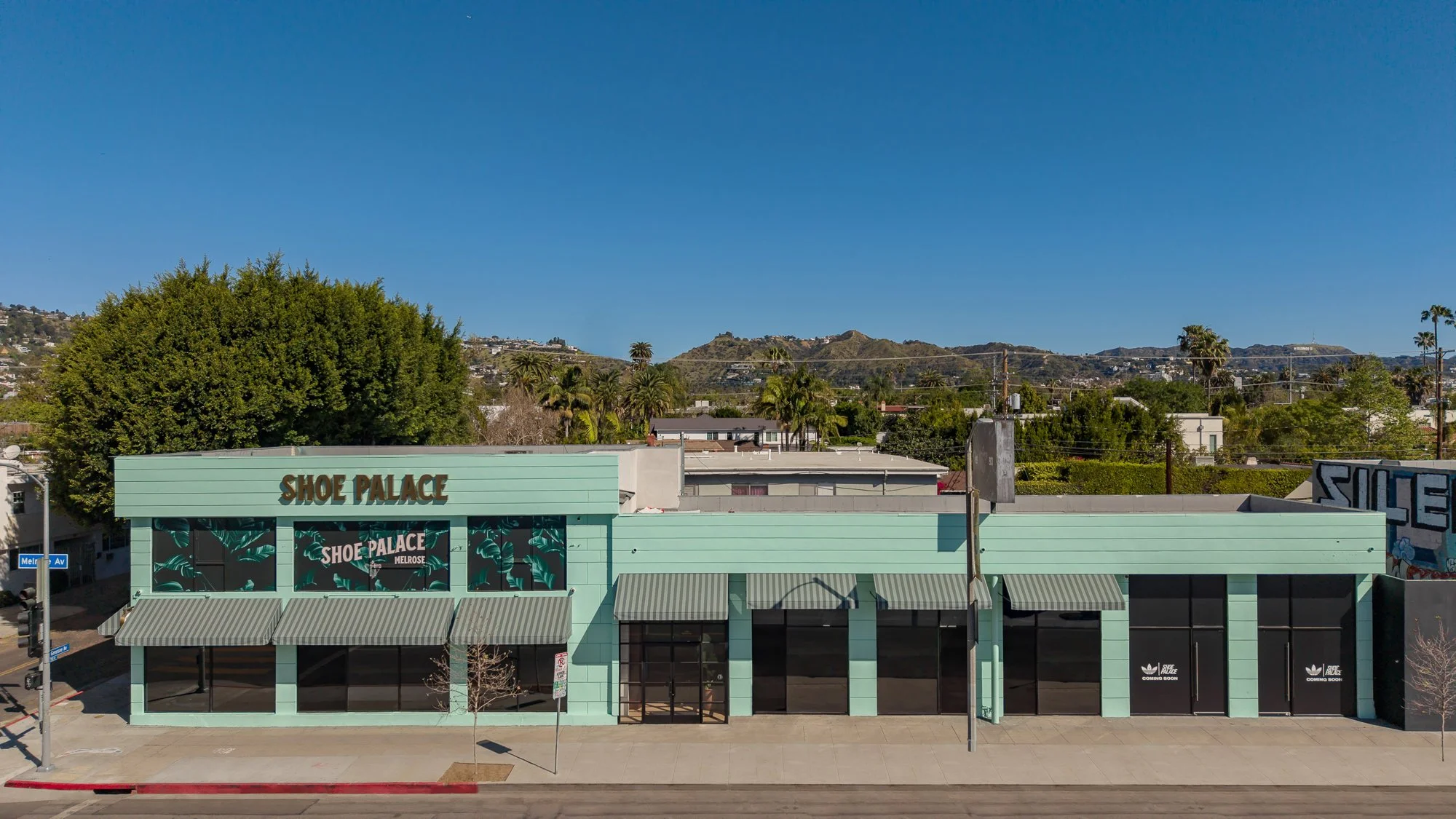
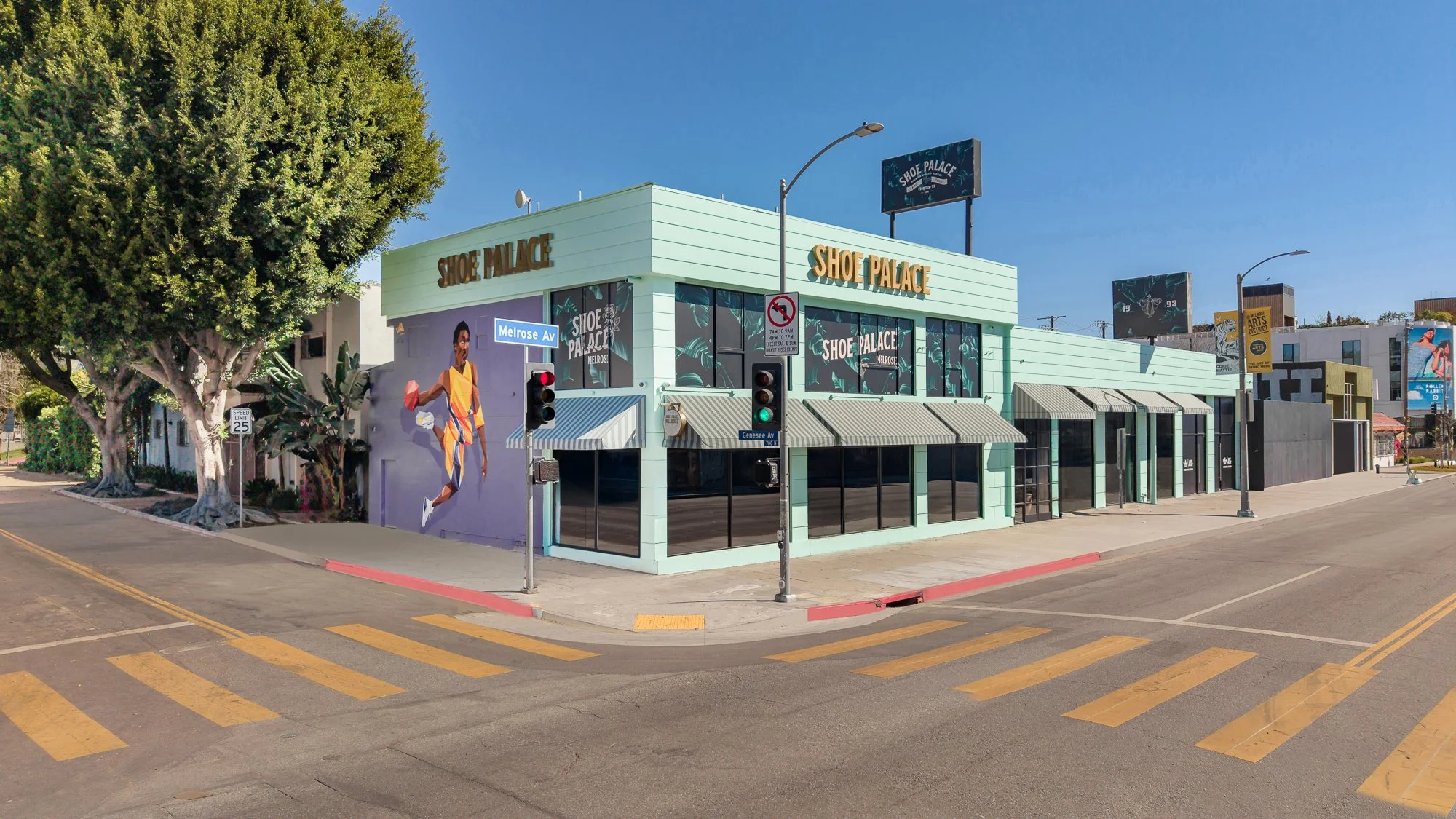
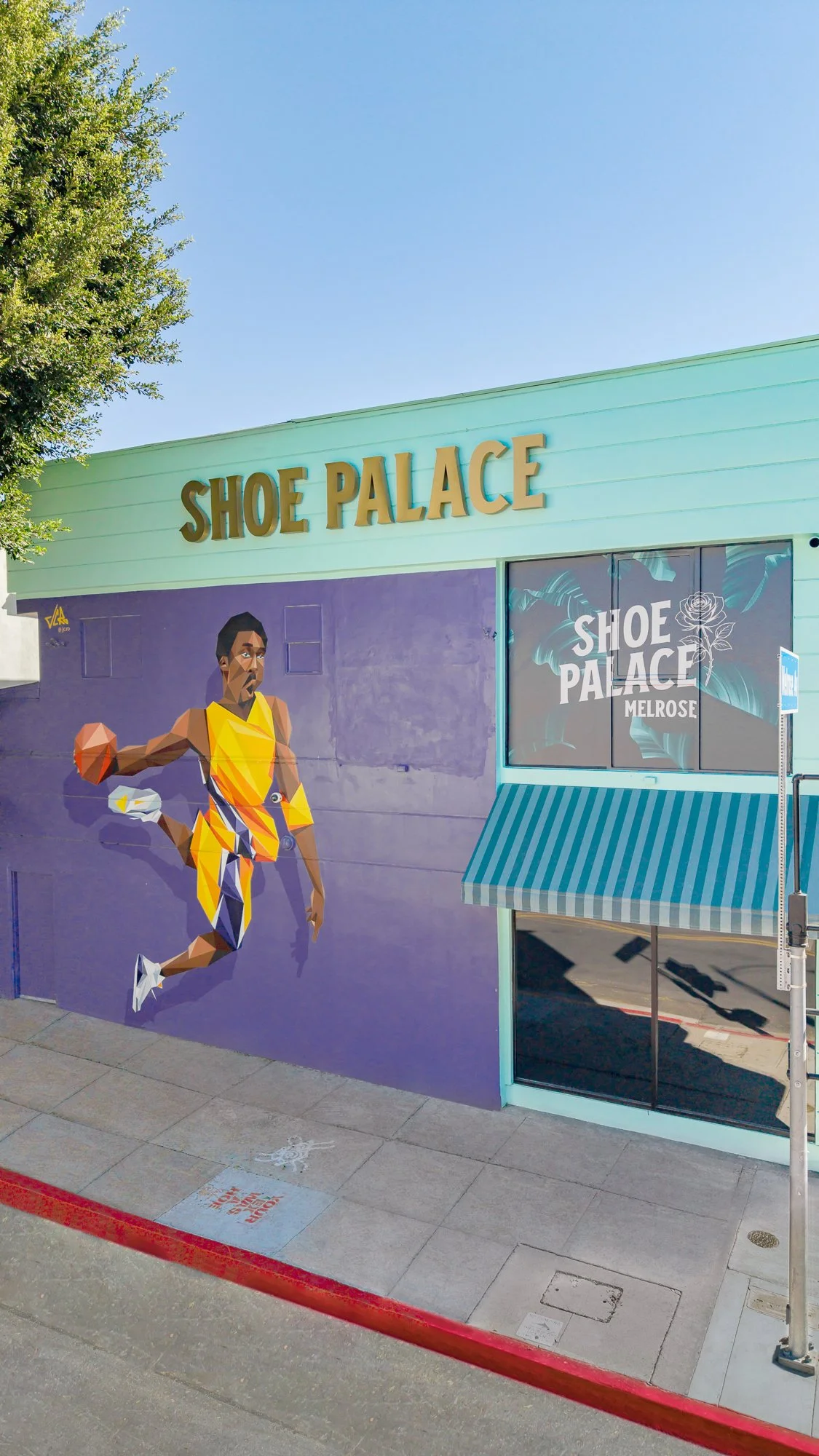
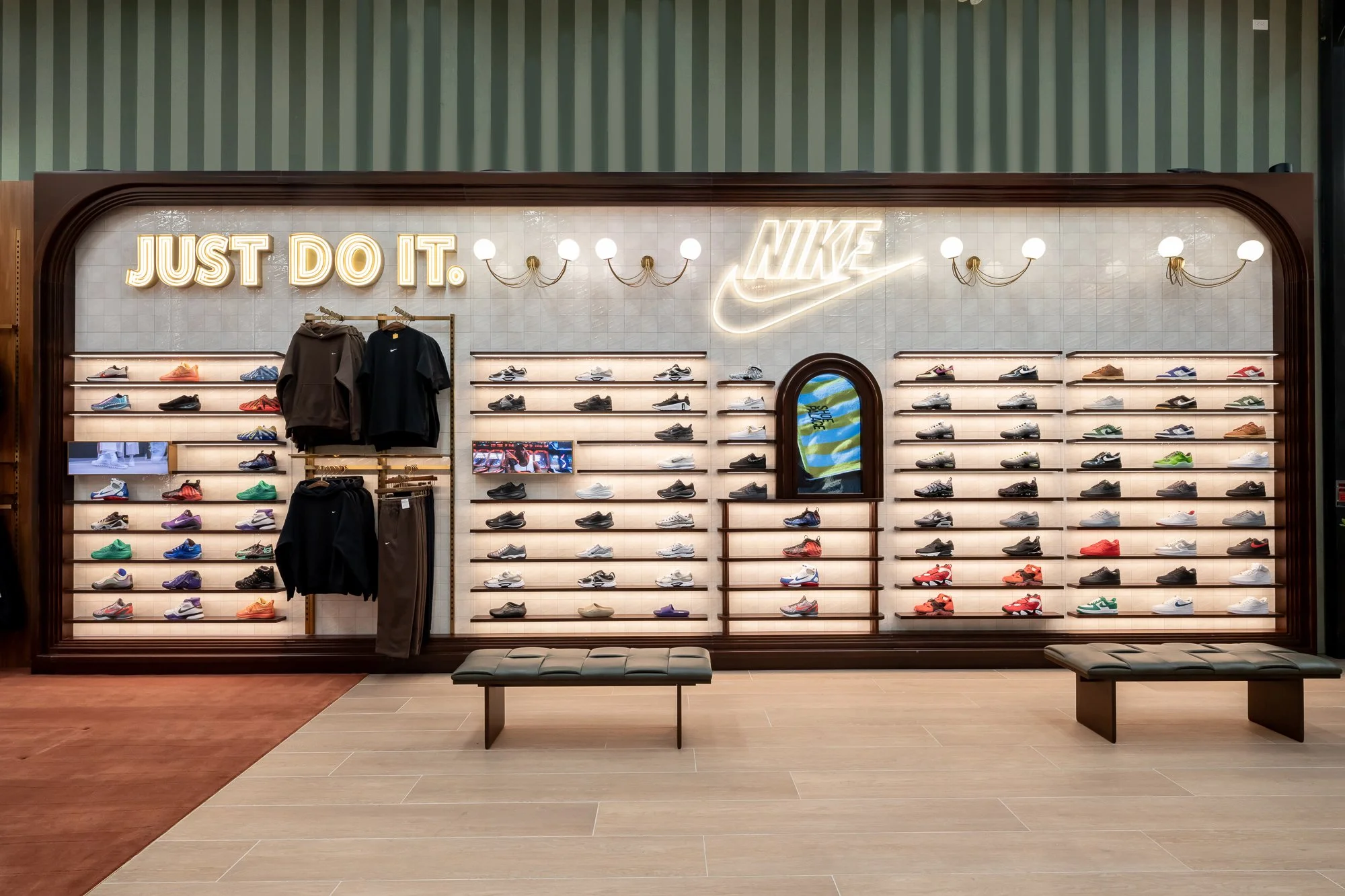
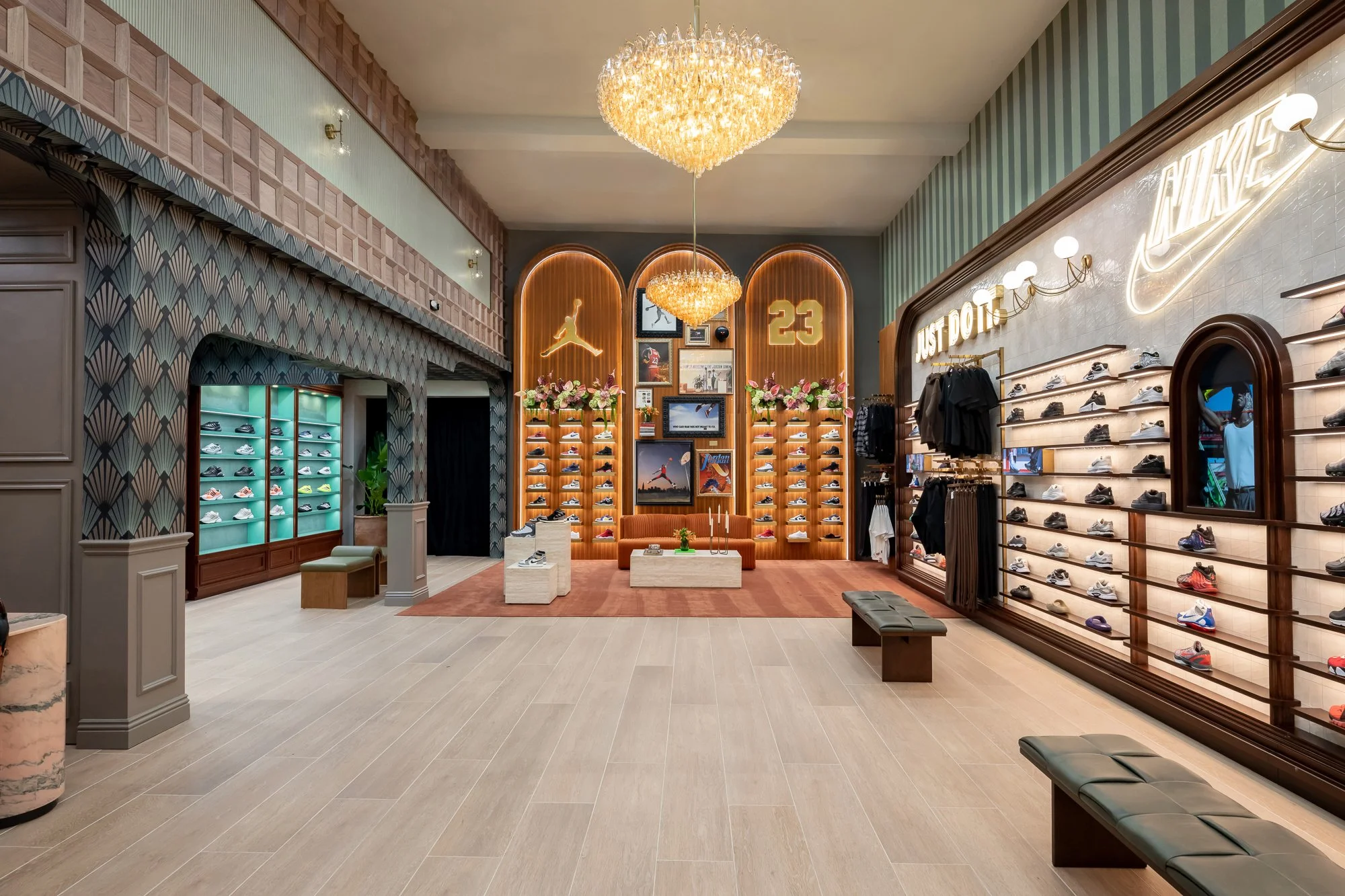
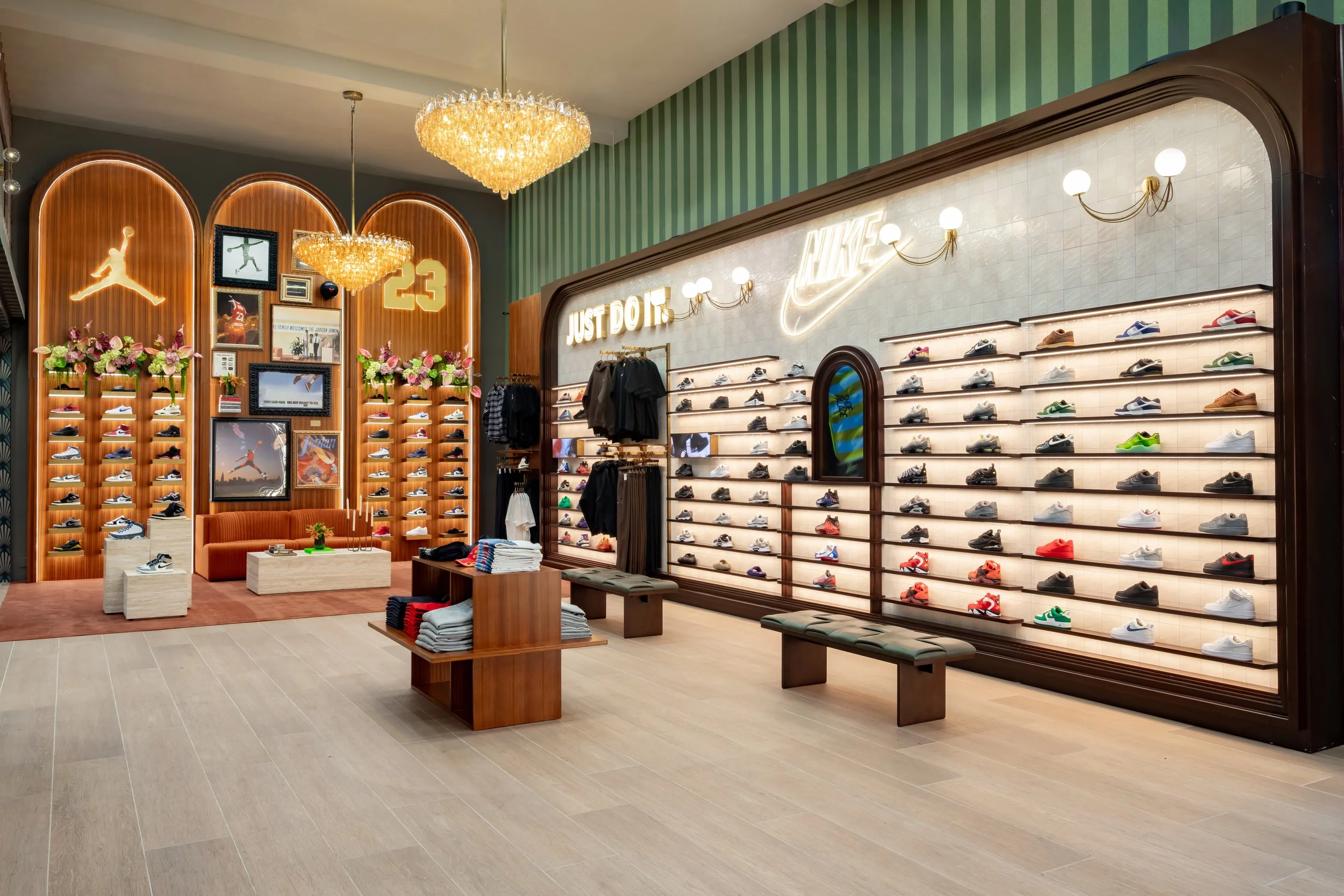
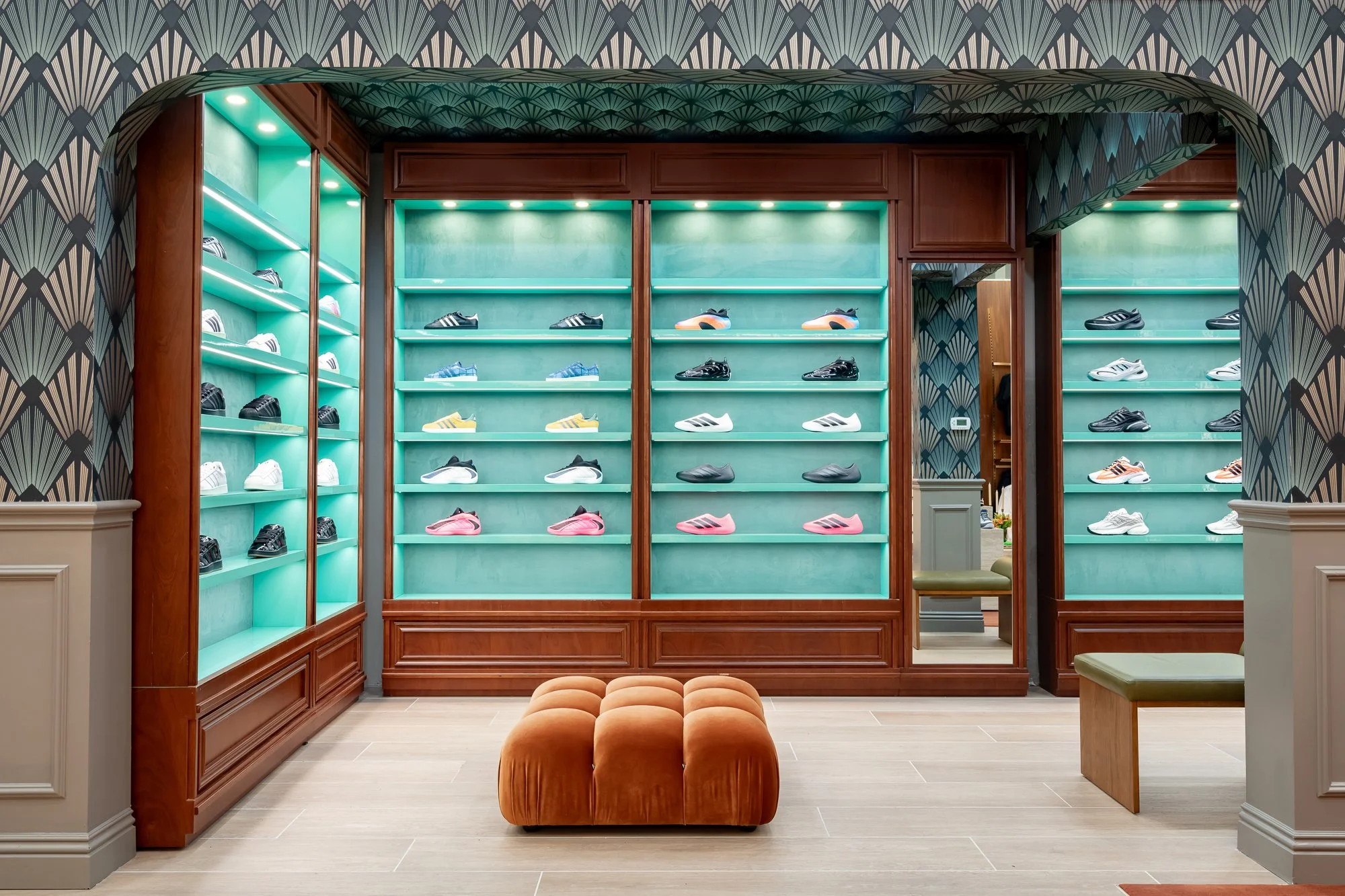
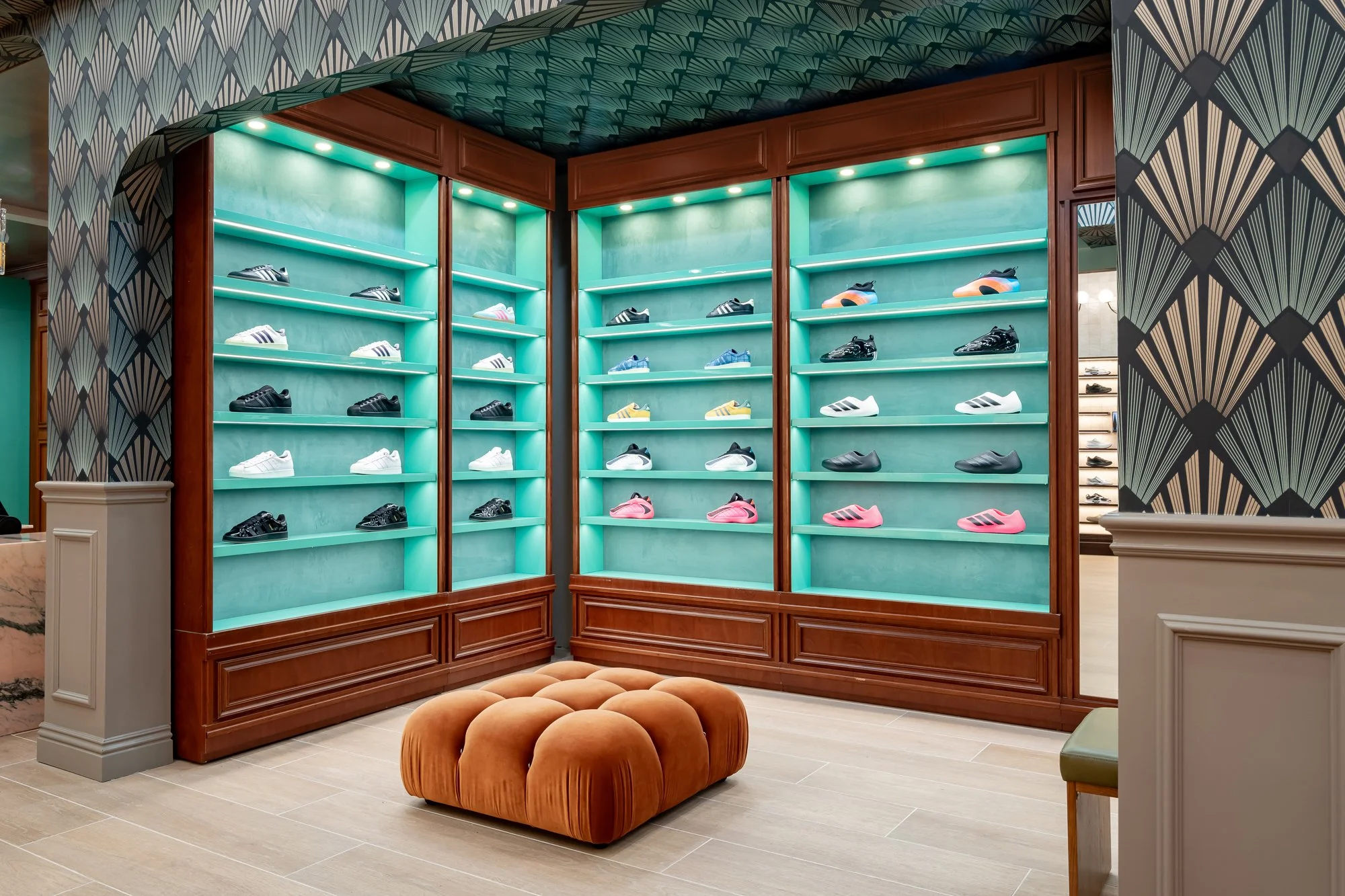
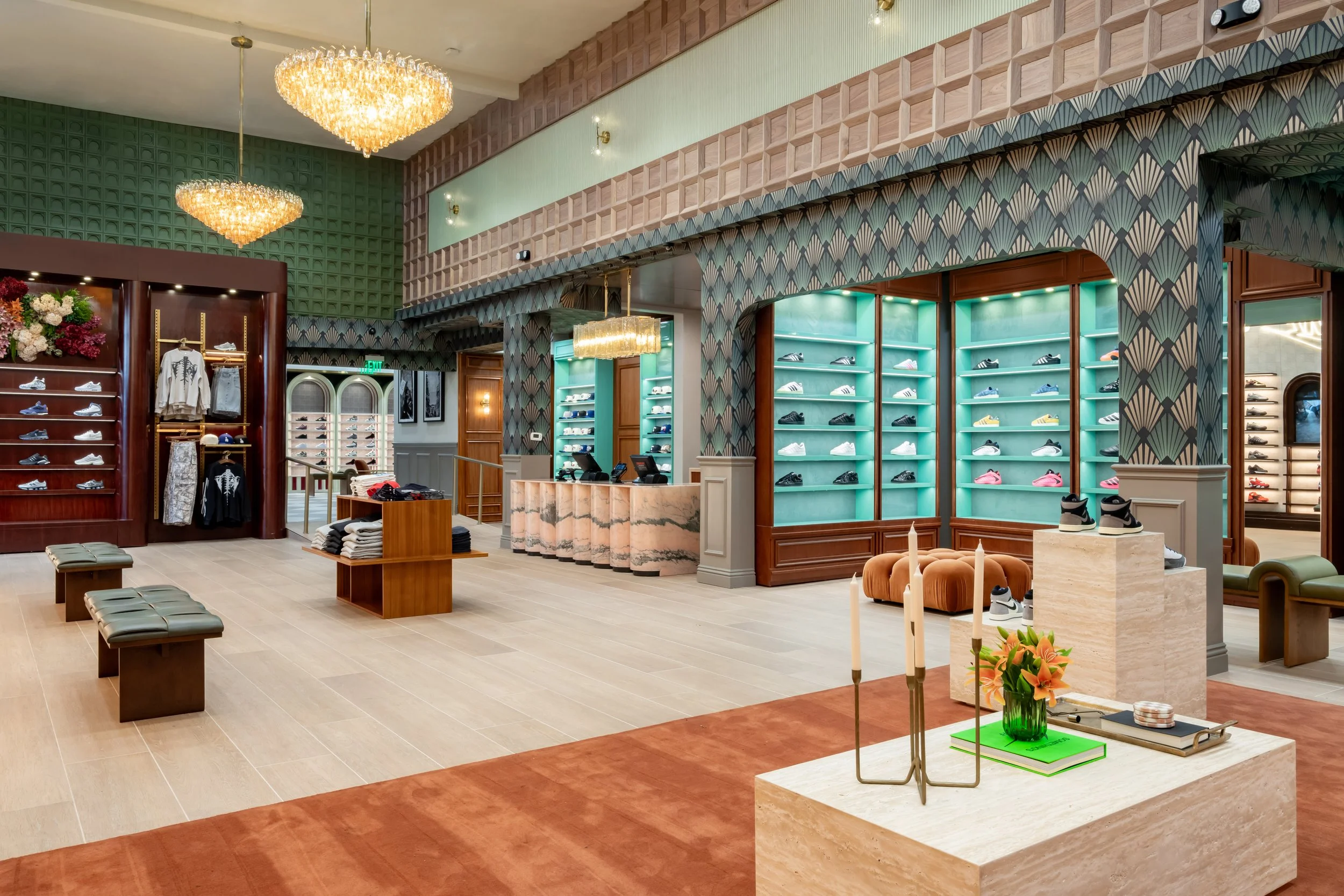
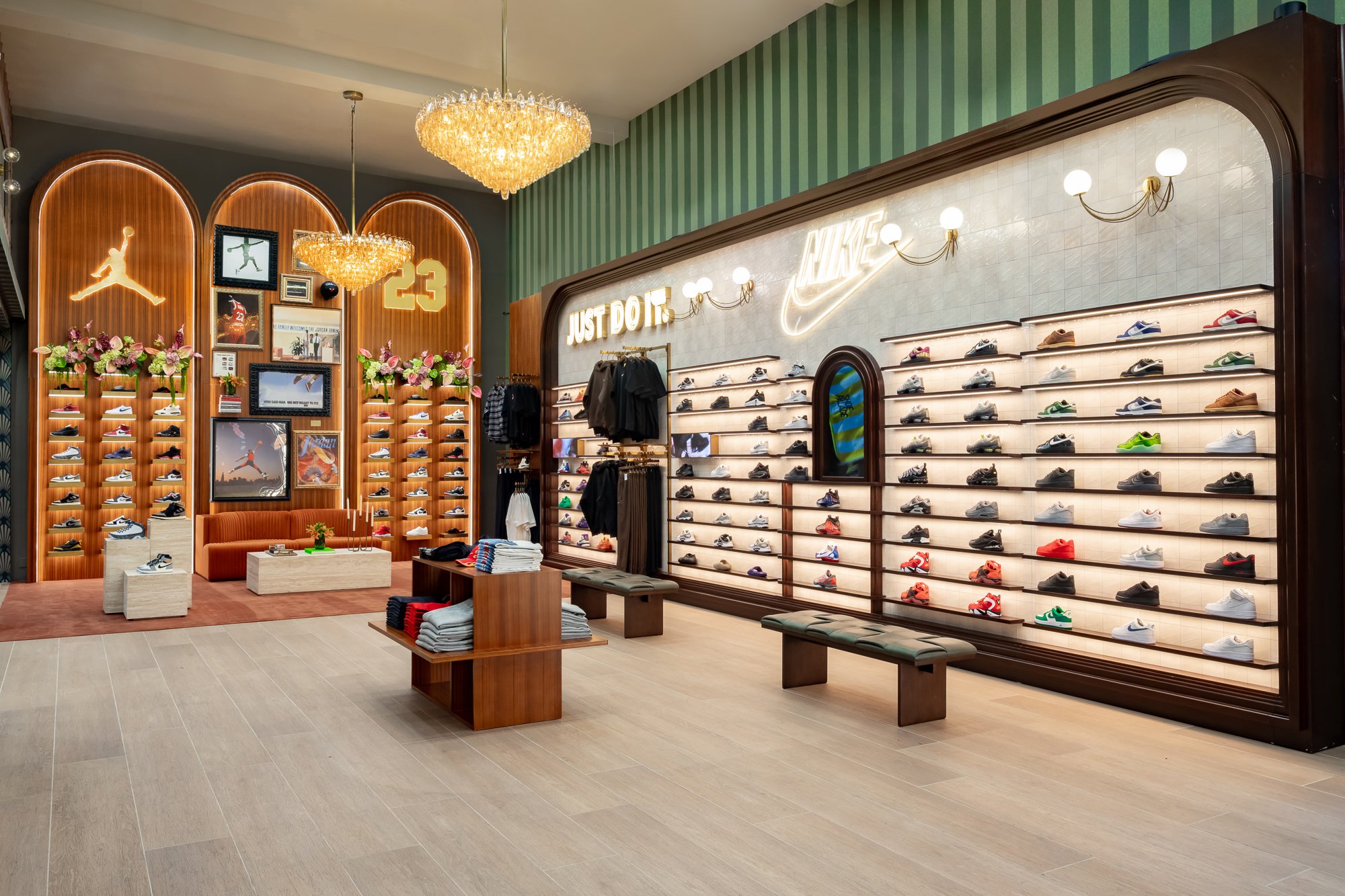
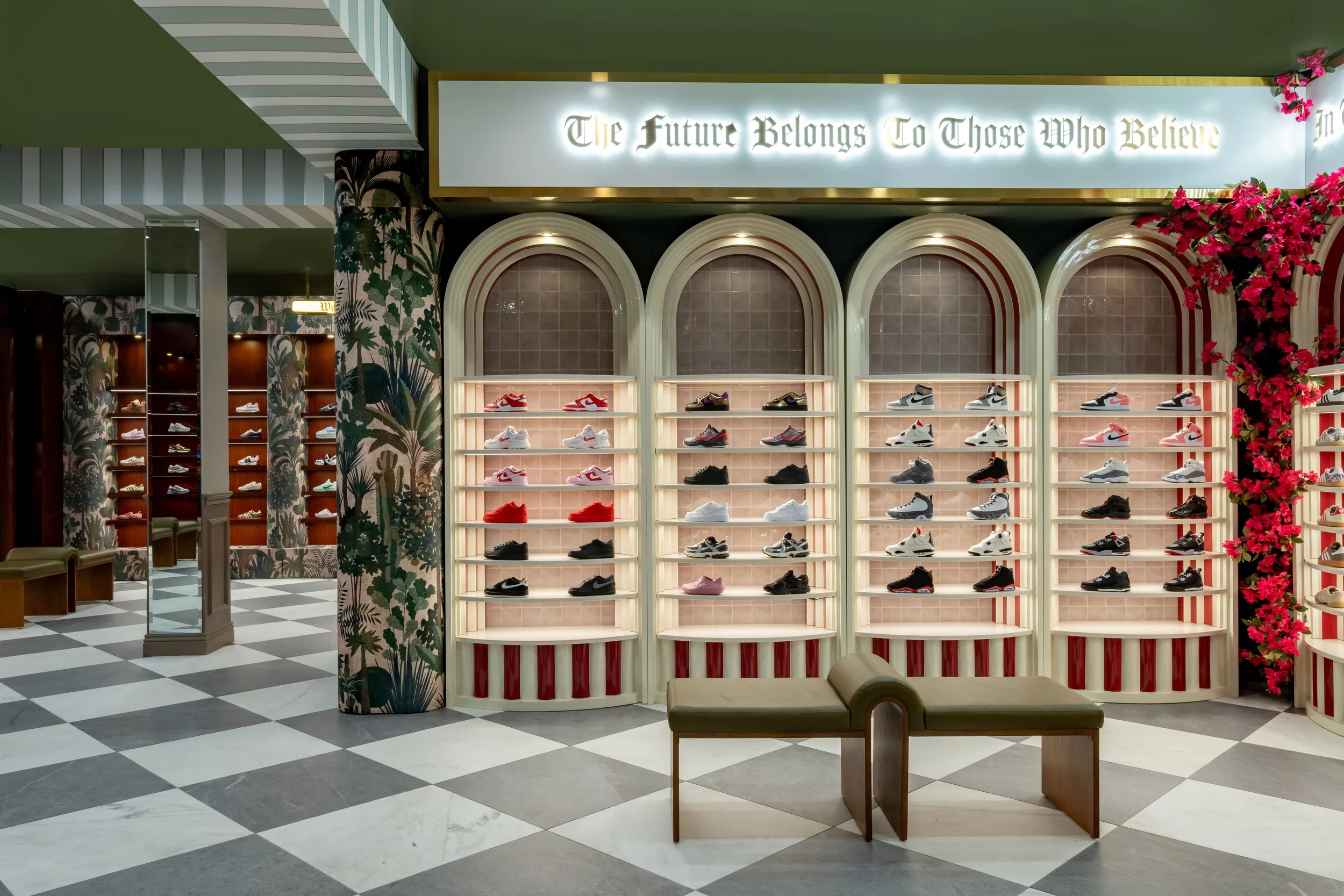
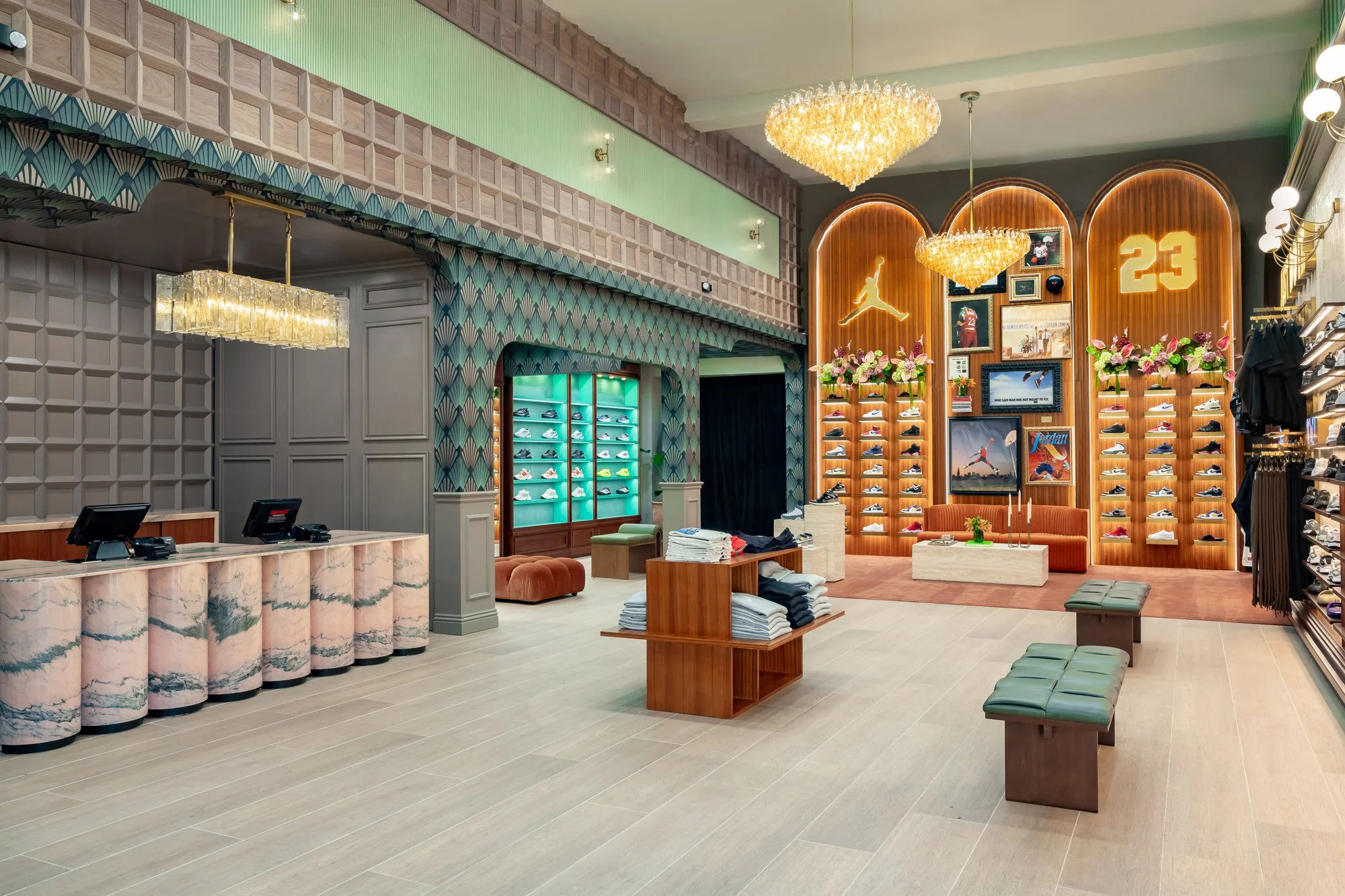
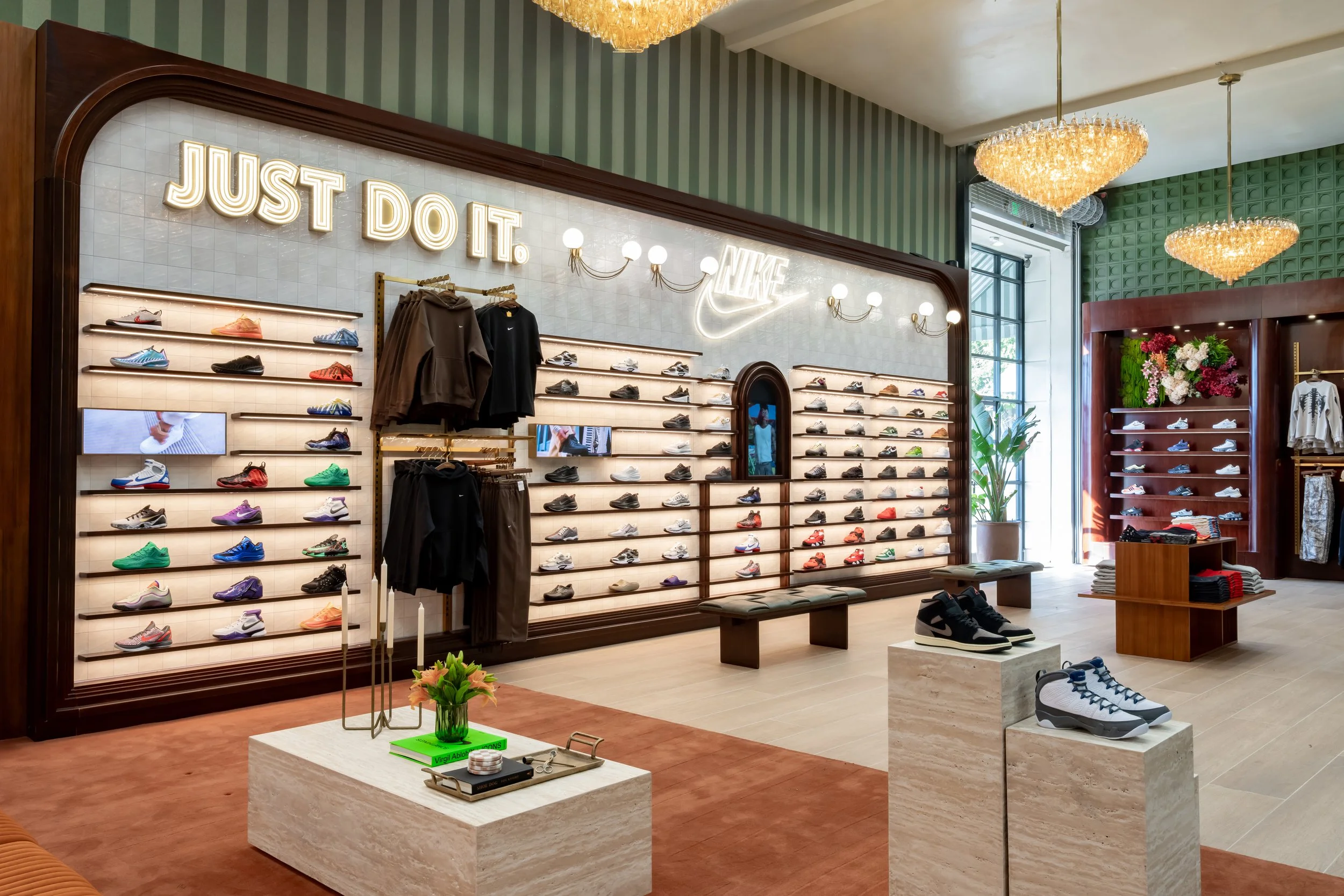
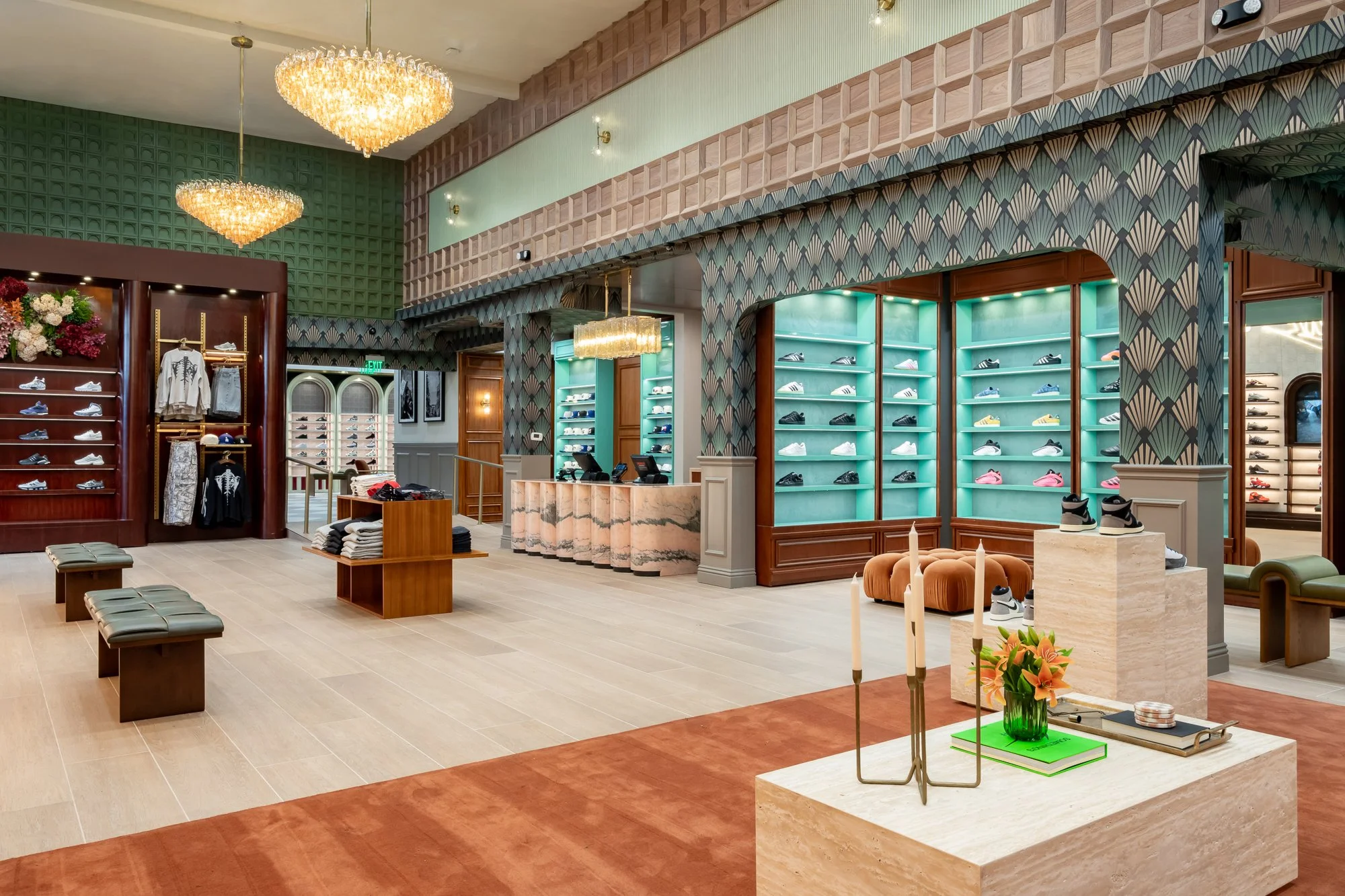
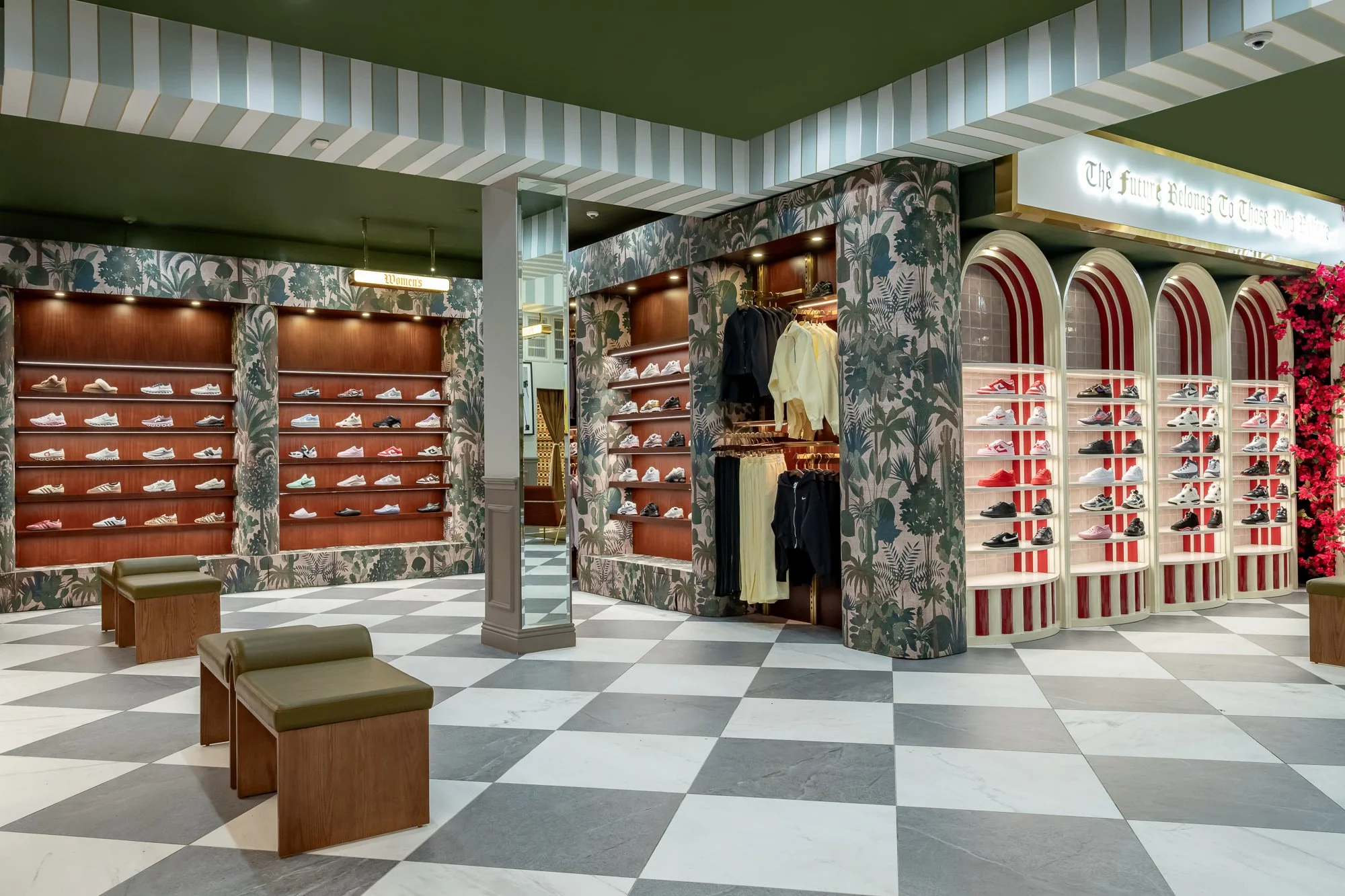
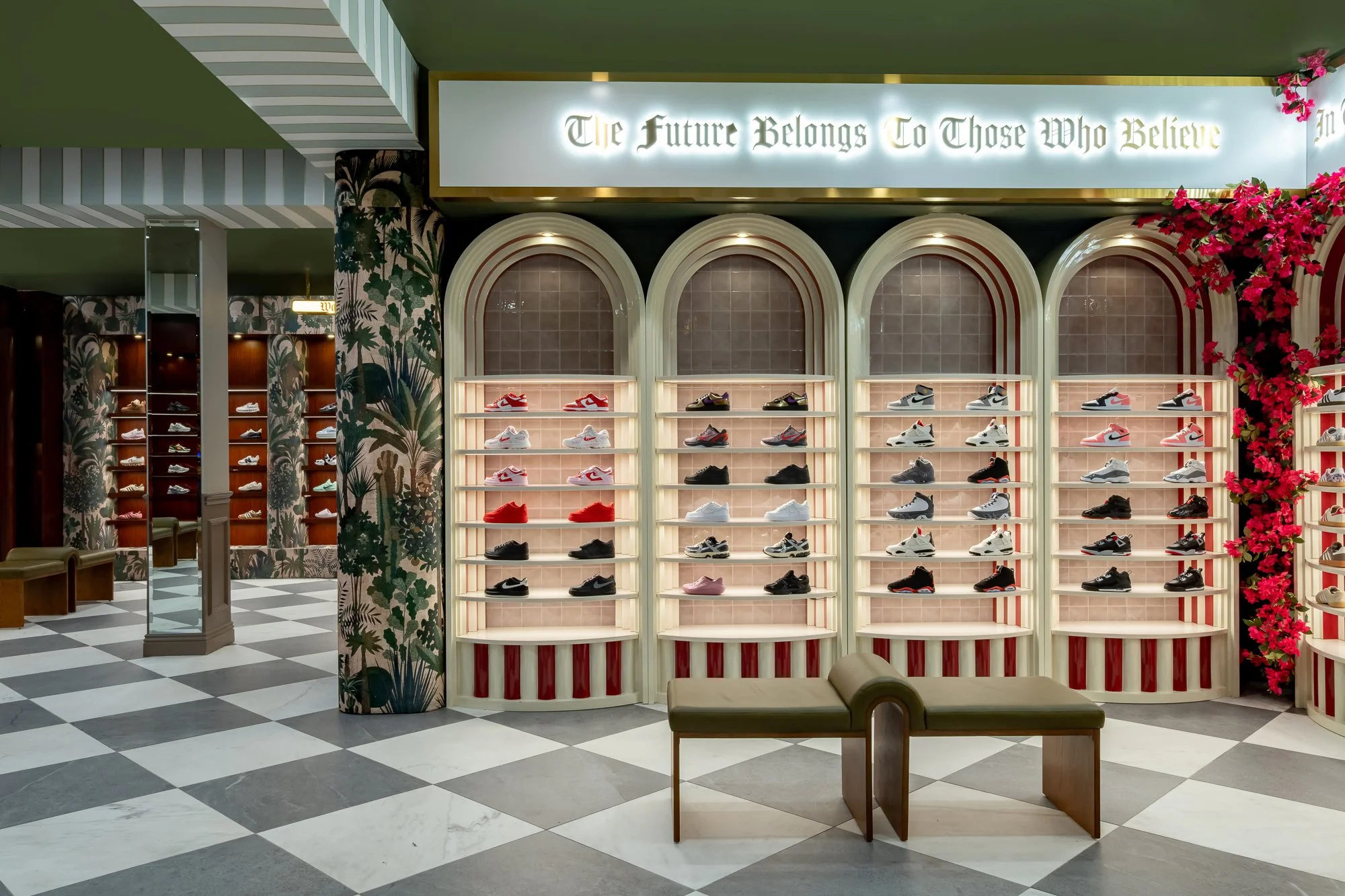
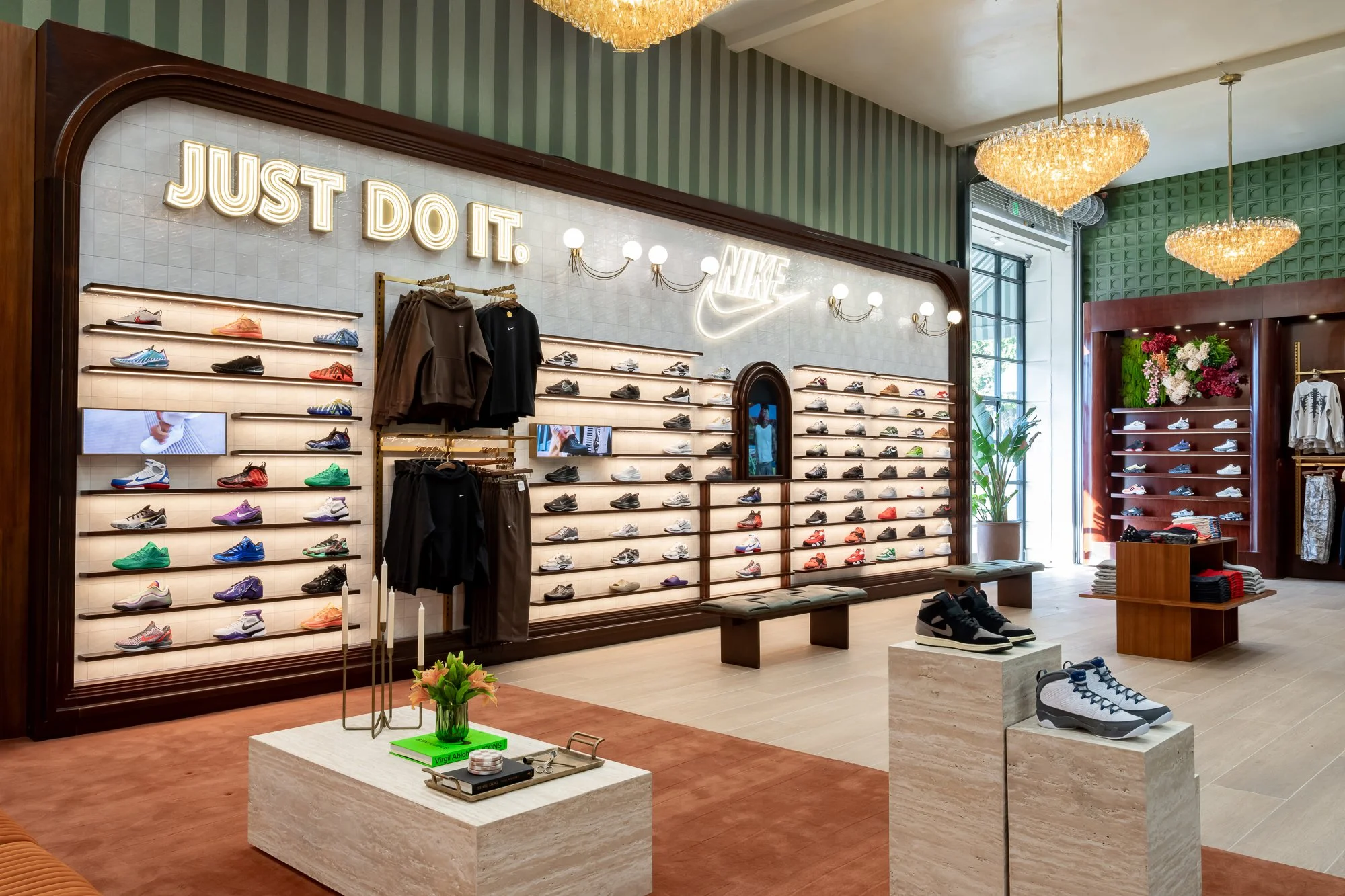
In a retail landscape where experiential shopping increasingly defines brand loyalty, Shoe Palace is doubling down on storytelling with the unveiling of its newly remodeled Melrose flagship in Los Angeles. Inspired by California’s Prohibition era and guided by the retailer’s evolving “Nine Three” design philosophy, the concept store positions sneaker culture within a more immersive, gallery-like environment—one that reflects the cultural energy of Melrose Avenue while signaling the next phase of the brand’s retail strategy.
The flagship marks the fourth installment in a planned series of seven Nine Three locations, a concept that merges heritage with contemporary design cues. For Shoe Palace, the approach is both aesthetic and strategic: transforming traditional sneaker retail into a destination where product discovery, cultural storytelling, and community engagement coexist.
“Melrose Avenue has always been one of the most influential destinations for style and culture,” said Ralph Mersho, co-founder, CEO and president of Shoe Palace. “Our new Nine Three flagship unites heritage, innovation and style in a way that’s authentic to California, past and present.”
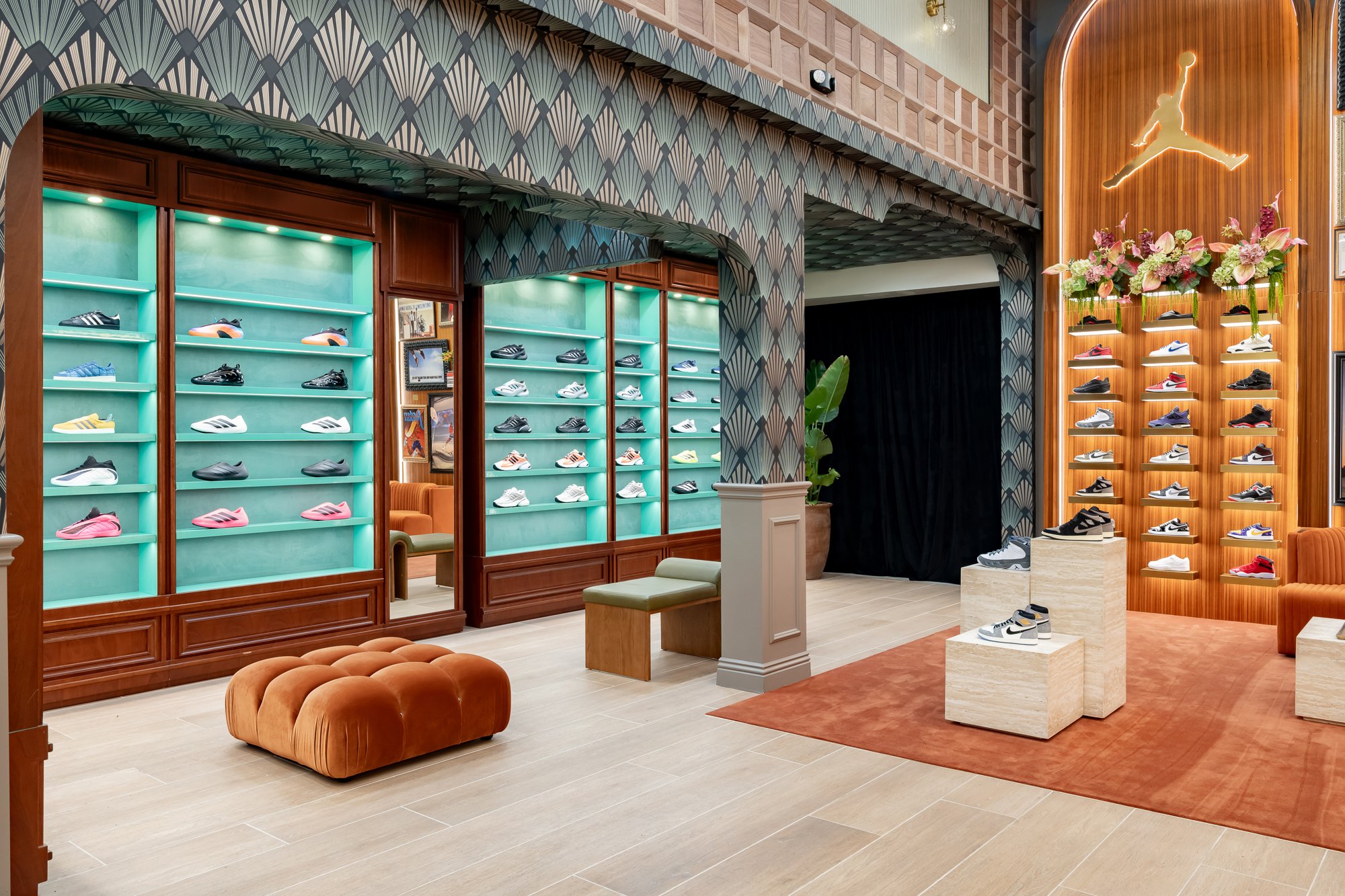
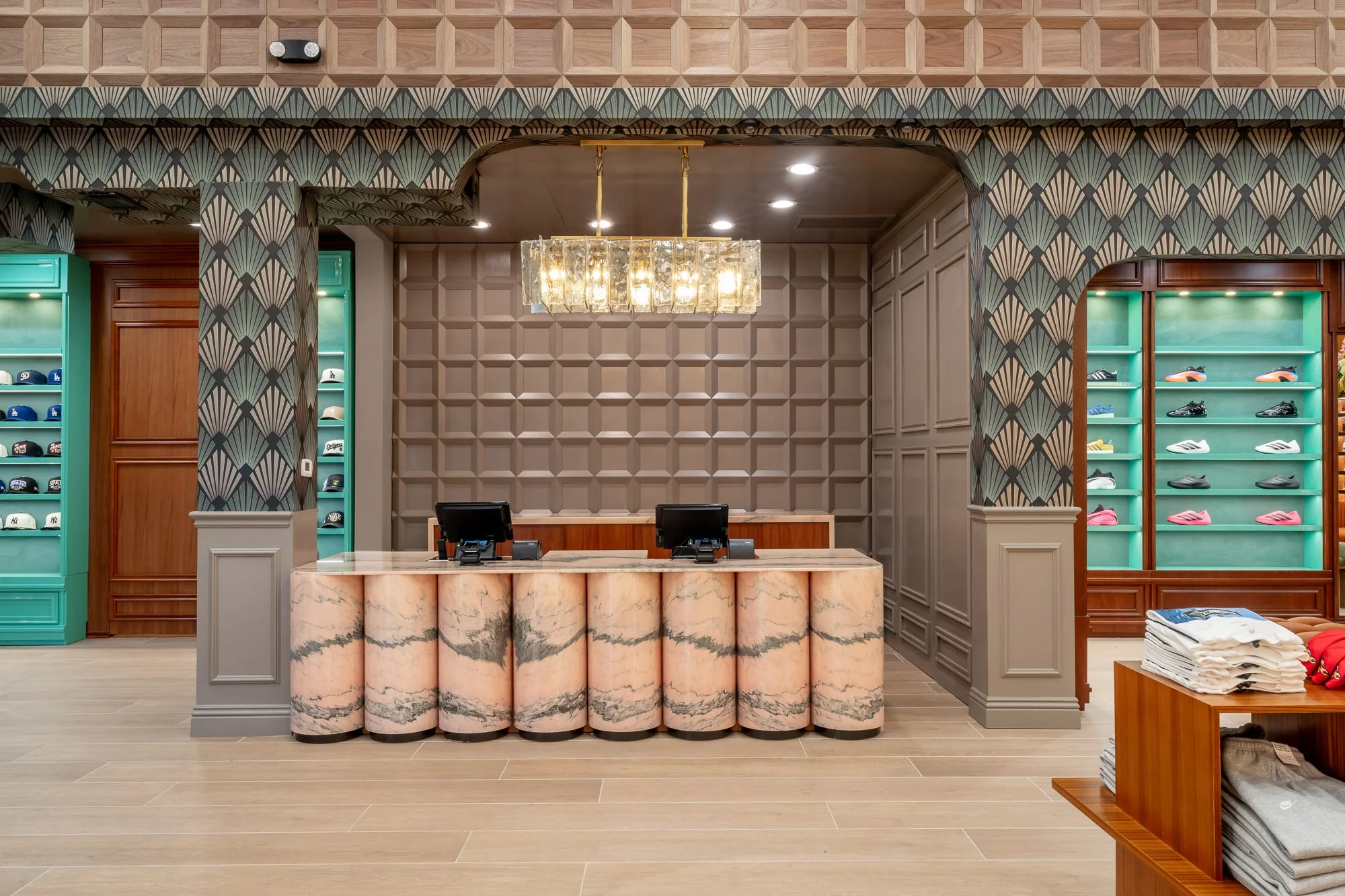
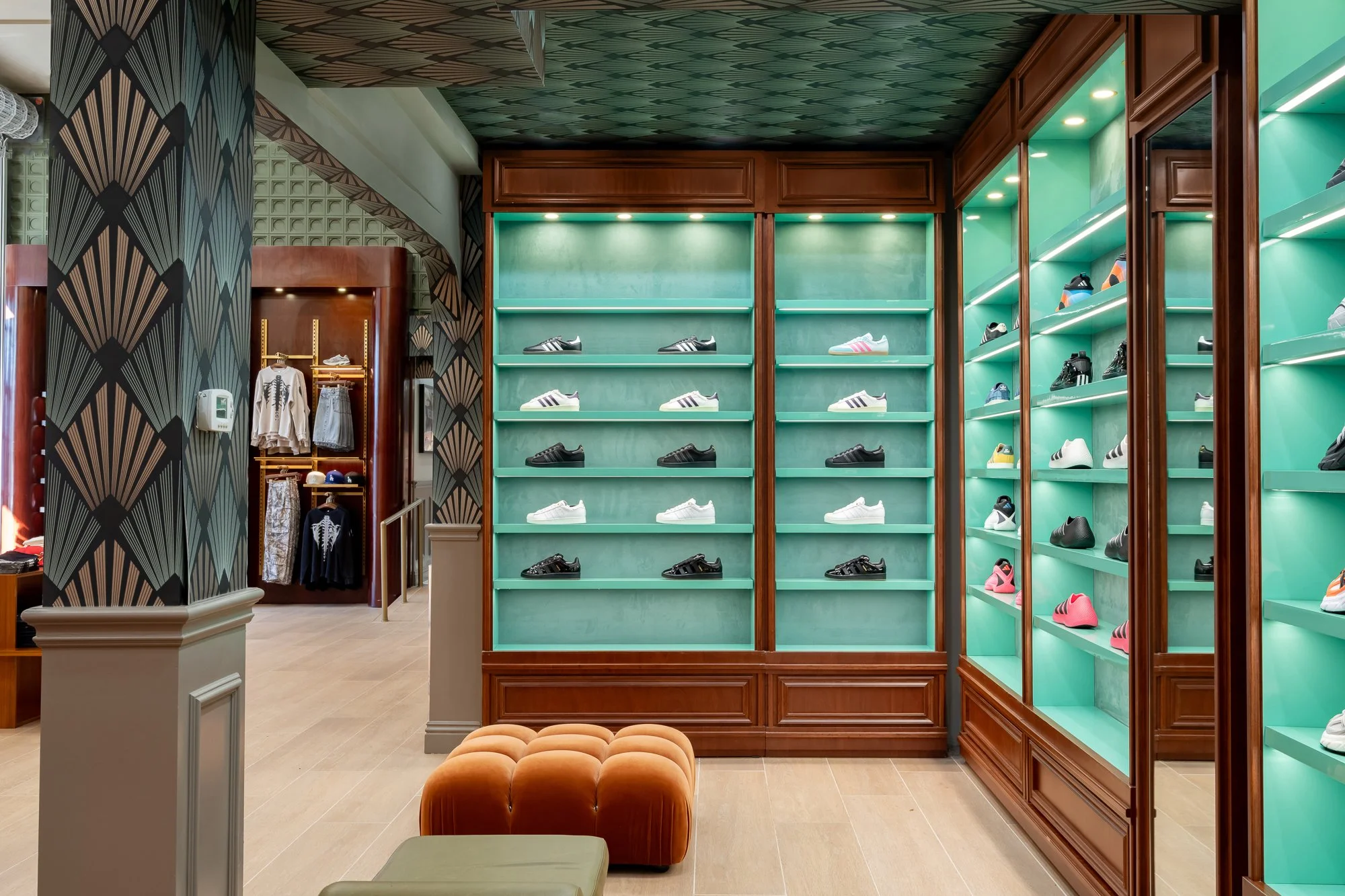
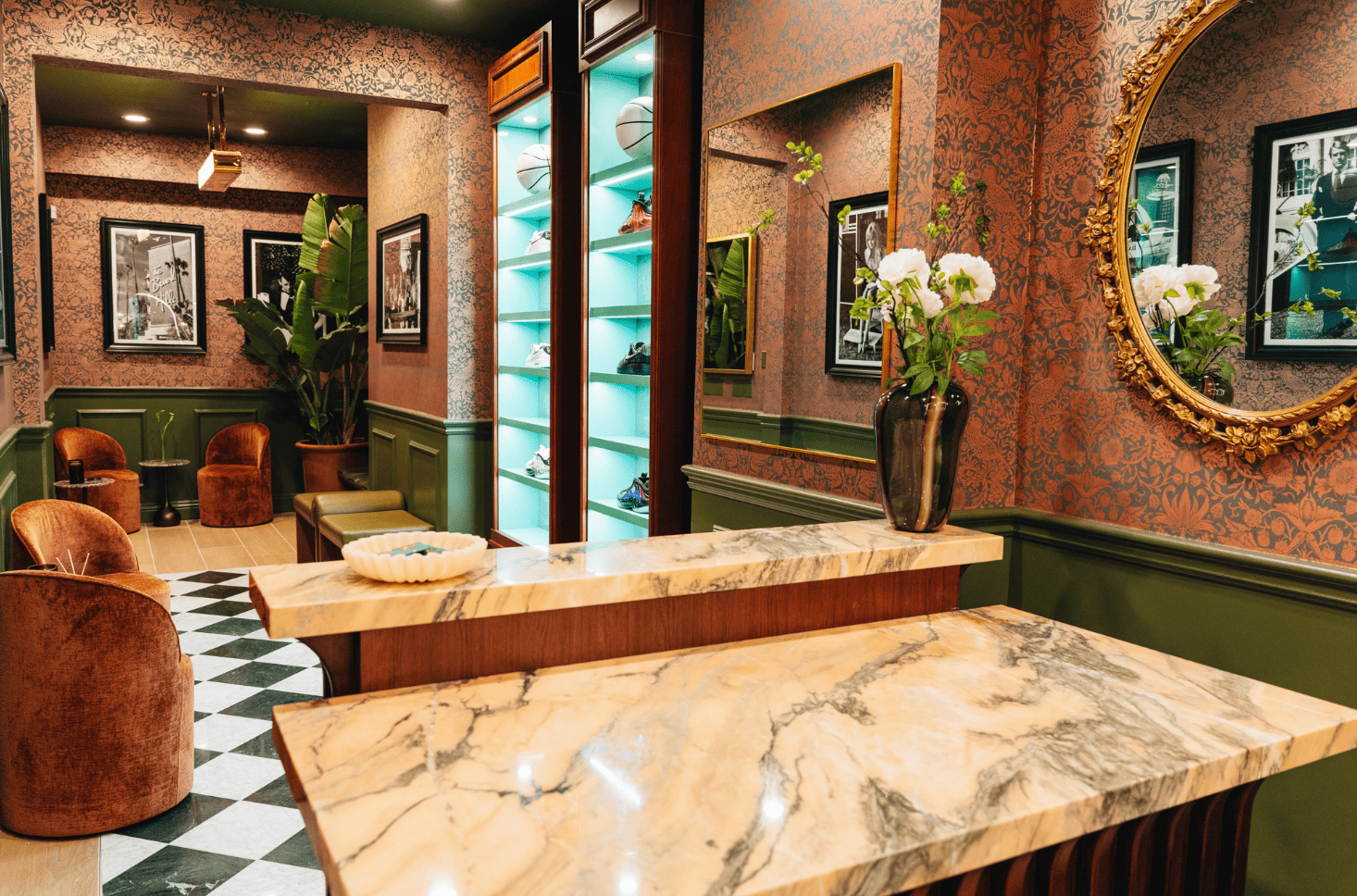
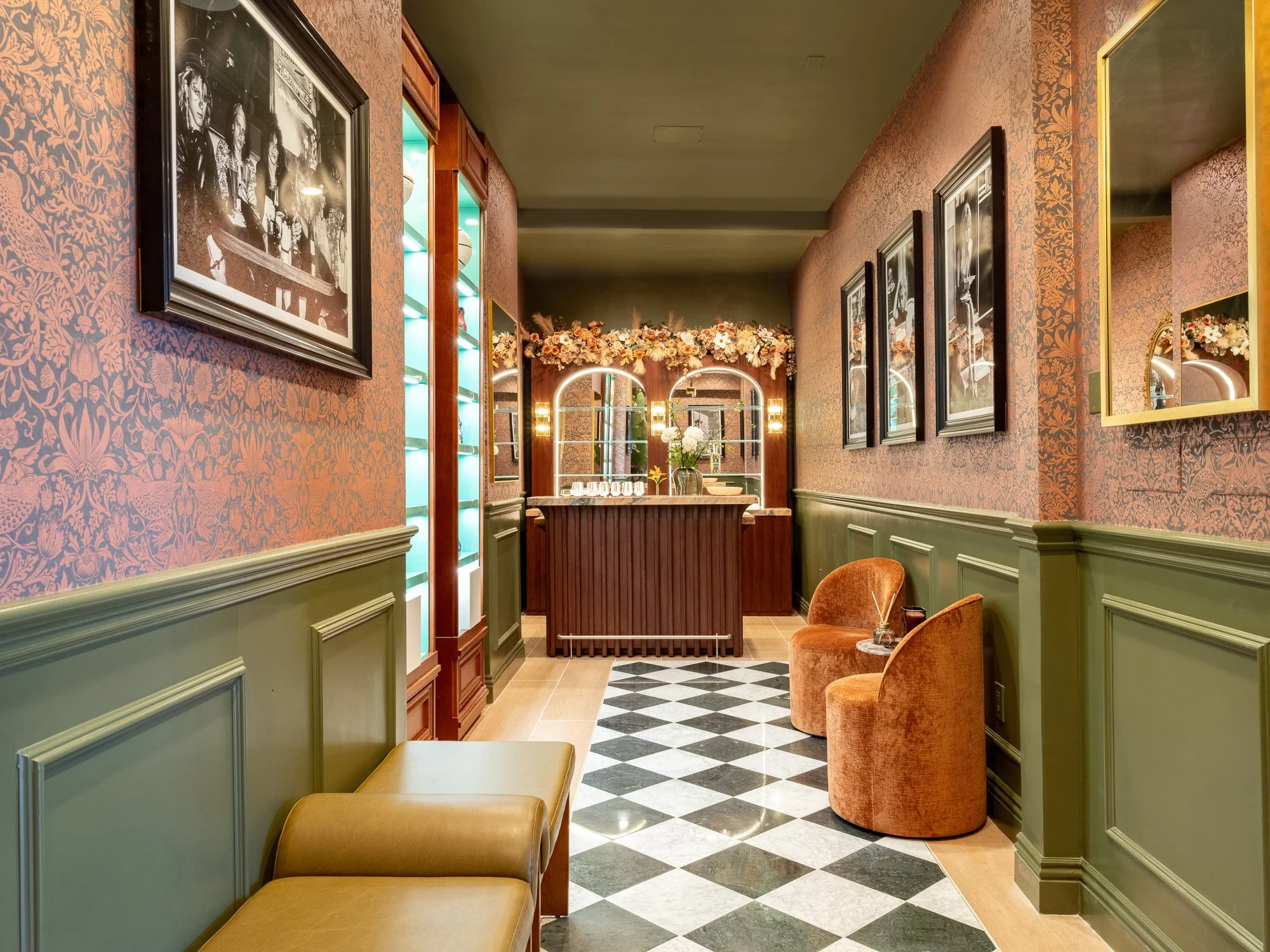
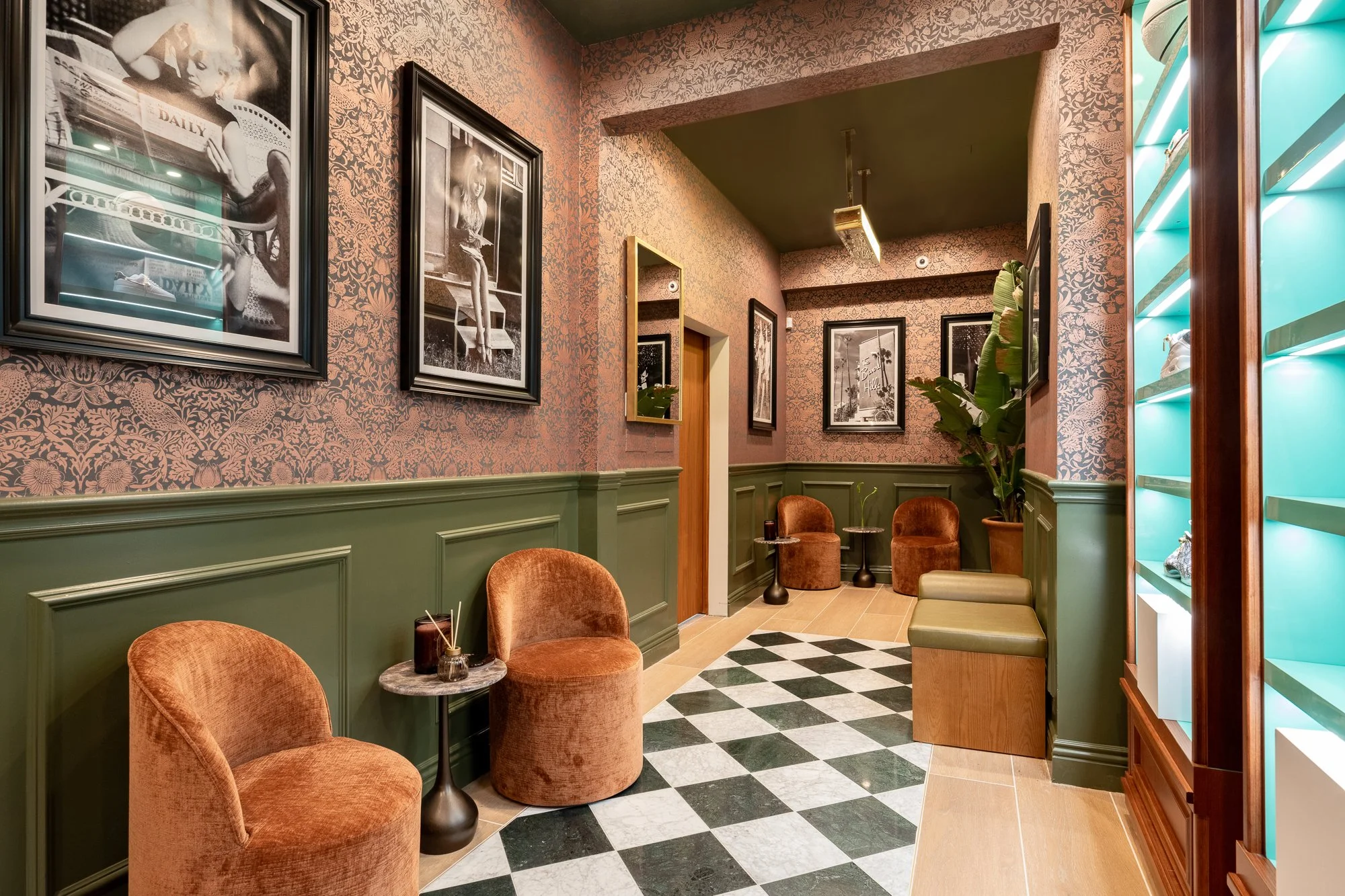
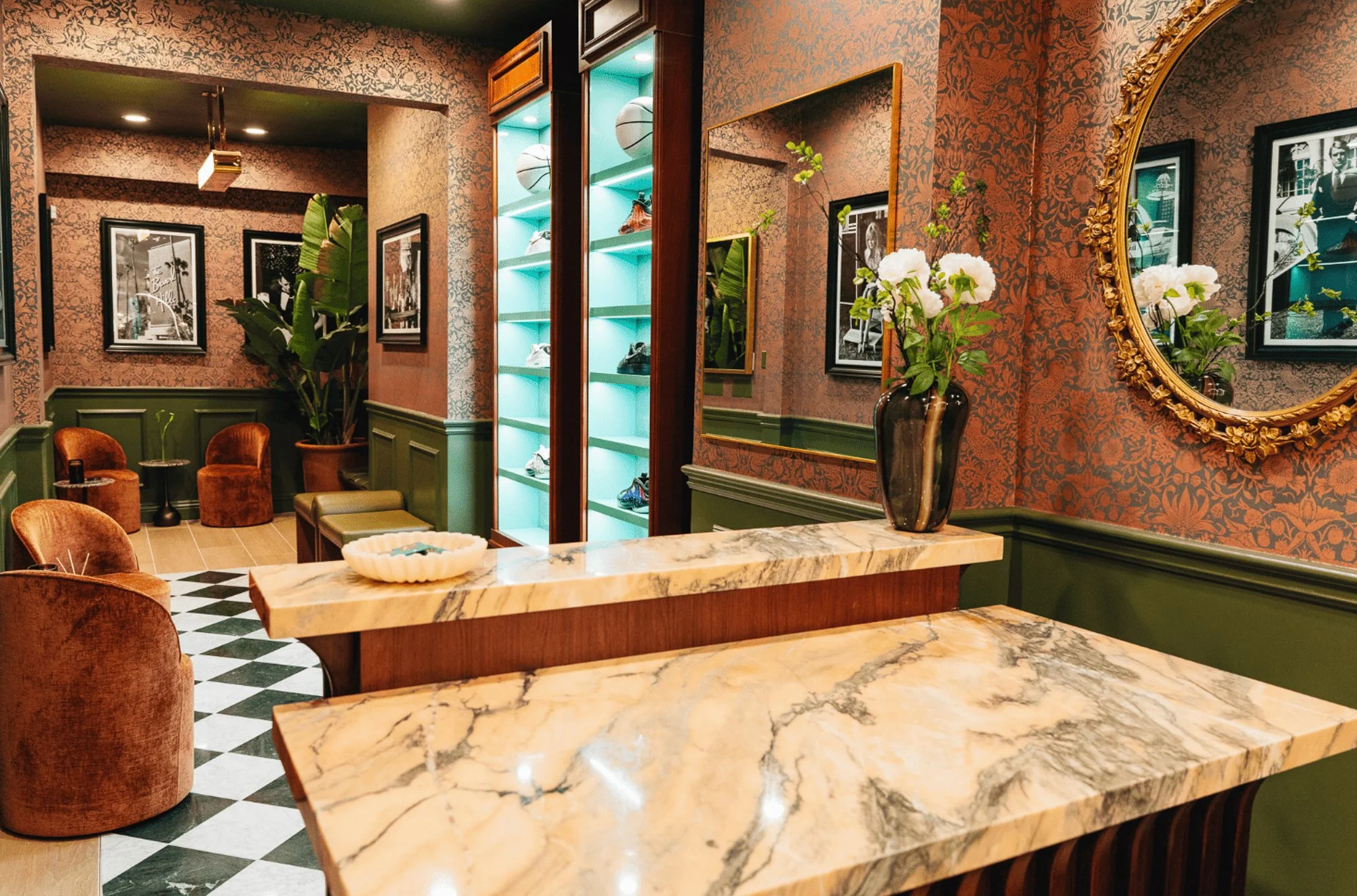
The interior design leans heavily into the mystique of Prohibition-era speakeasies, subtly referencing hidden lounges and private social spaces. Custom stone and marble surfaces anchor the store’s layout, while botanical prints, opulent wall treatments and soft palettes of blush pink and mint green add a refined contrast to the typically industrial aesthetic associated with sneaker retail.
The store’s most distinctive feature—a concealed speakeasy-inspired lounge—was conceived as an invitation-only setting for tastemakers, brand partners and private events, reinforcing the brand’s aim to position retail as a cultural gathering point rather than merely a transactional space.
“We challenged our retail team to create a store that captures people’s imagination,” Mersho said. “The products we carry are aspirational, but accessible. This concept allows us to serve as a platform for our partners’ exclusives and limited global drops while delivering a shopping experience that goes beyond traditional retail.”
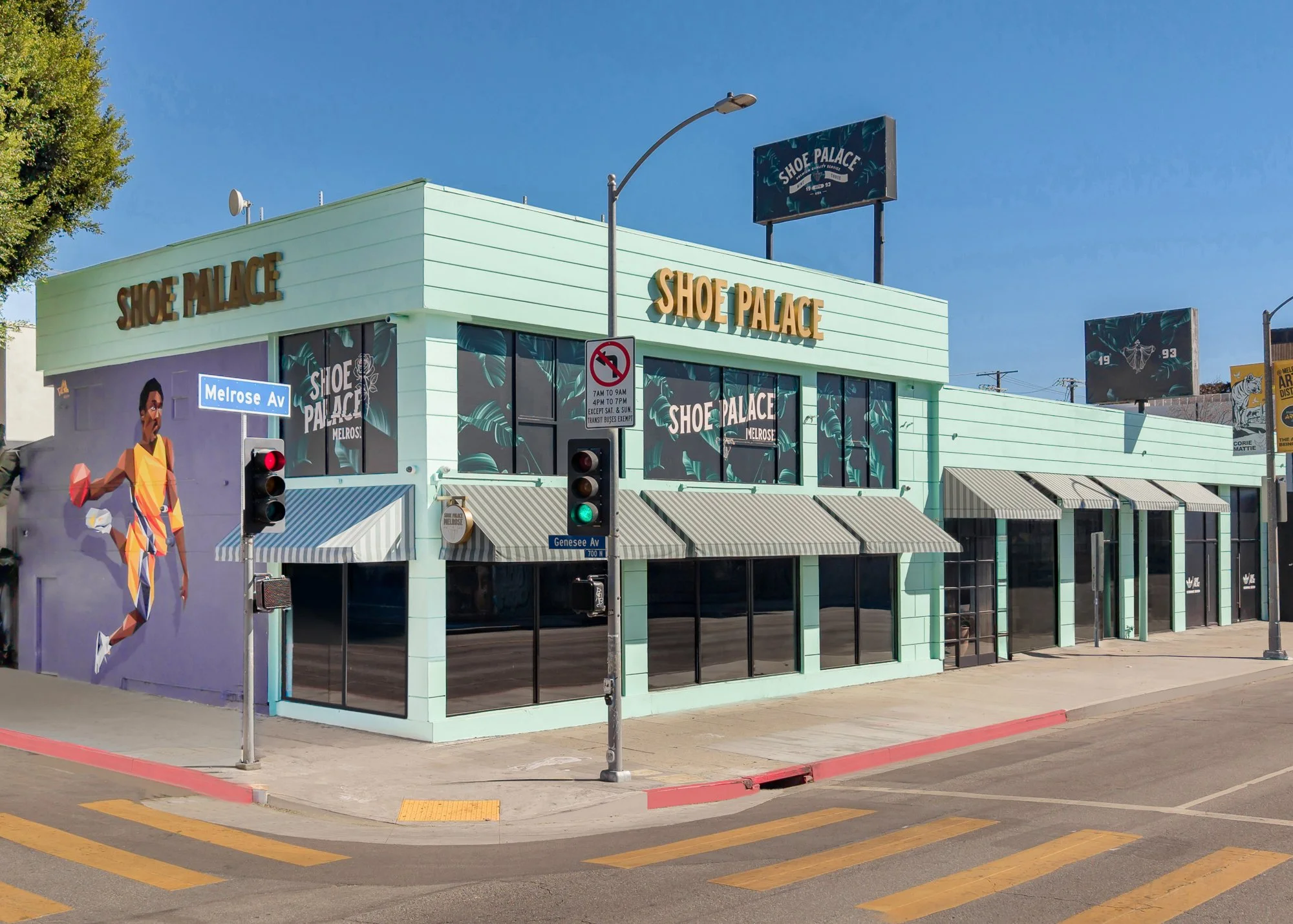
Founded in 1993 in San Jose, Shoe Palace has grown from a single storefront into a national retail presence with roughly 250 locations across 13 states. The company was acquired by JD Sports in 2020, a move that expanded its global reach while allowing the founding Mersho family to maintain operational leadership and the culture that built the brand.
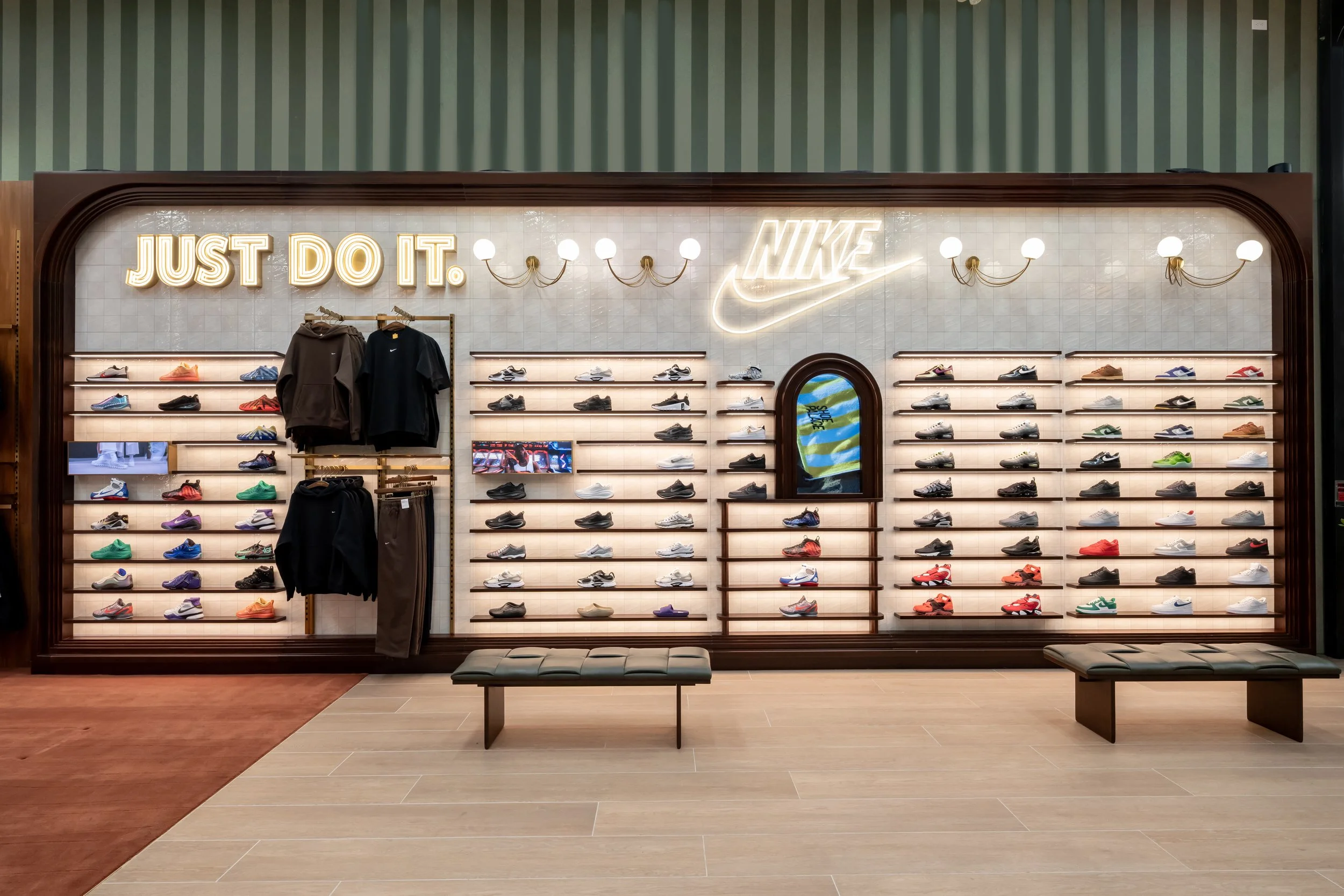
Today, the retailer sits at the intersection of global sneaker culture and West Coast streetwear, carrying sought-after brands including Nike, Jordan Brand, Adidas, New Balance, and ASICS. The Melrose flagship reinforces that positioning by pairing curated product assortments with experiential design—an approach increasingly favored by retailers looking to compete with e-commerce convenience.
Beyond aesthetics, the Nine Three concept also reflects the brand’s longstanding relationship with the communities it serves. Through partnerships with athletes, nonprofits and youth organizations, Shoe Palace has integrated philanthropic initiatives and cultural programming into its retail footprint—an ethos that continues to shape its flagship locations.
For a streetwear-savvy consumer who views sneakers as cultural currency rather than simple footwear, the Melrose store is designed to function as both retail space and cultural venue. And on a street synonymous with fashion experimentation and trend incubation, the new flagship underscores a broader shift across the industry: the future of physical retail lies not just in product, but in experience.

HOW DO YOU FEEL ABOUT FASHION?
COMMENT OR TAKE OUR PAGE READER SURVEY
Featured


BAPE® brings its streetwear legacy into the ring with UNDEFEATED’s wrestling-inspired Fall/Winter 2026 collection while expanding its design vocabulary through the TYPE 10 BAPEX®, an automatic timepiece that translates the brand’s signature camouflage into contemporary watchmaking.