
Struggling to Sleep? Here’s How to Fix It

PAGE
By PAGE Editor
For many people, a good night’s sleep feels like something everyone else gets for free. Instead, nights are spent staring at the ceiling, checking the clock, and waking up tired. Worrying about not sleeping only makes it worse. But small, simple changes to nightly routines often fix things faster than expected.

Reset the Bedroom Environment
The brain constantly scans the surroundings for safety cues. A cluttered, bright, or noisy room signals low-level alertness. Sleep struggles often start right there. Transforming a bedroom into a sleep sanctuary doesn’t require expensive renovations, but consistency matters.
Keep the room as pitch dark as possible. Use blackout curtains or a quality eye mask. Even the glow from a phone charger can disrupt melatonin production.
Lower the thermostat. The ideal sleeping temperature sits between 60–67°F (15–19°C). A cooler room helps the body’s core temperature drop naturally, which initiates sleep.
Block disruptive noises. White noise machines, earplugs, or a simple fan can mask unpredictable sounds like traffic or a snoring partner.
Remove visible clocks. Watching the minutes tick by fuels anxiety. Turn the clock face away or place it out of sight.
Manage Body Temperature for Deeper Rest
Body temperature follows a natural 24-hour rhythm. In the evening, the body releases heat through the hands, face, and feet to lower core temperature before sleep. Anything that traps heat, thick comforters, synthetic sheets, a mattress that retains warmth, works against that process. A cooling mattress topper made of hybrid bamboo or breathable latex can make a surprising difference for those who wake up sweaty or restless. Additionally:
Choose natural fibers like cotton or linen for sheets and pajamas. They wick moisture and allow airflow.
Take a warm bath 60–90 minutes before bed. It sounds counterintuitive, but the subsequent rapid cooling of the body after getting out signals sleep pressure.
Keep feet warm with socks if they tend to get cold. Warm feet trigger blood vessel dilation, which releases body heat more efficiently.
Avoid electric blankets or heavy duvets in the summer months. Layering breathable blankets gives more control.
Build a Wind-Down Ritual That Actually Works
Expecting a racing mind to switch off instantly is unrealistic. The brain needs a transition period from the high-alert mode of the day to the restful state of sleep. A 30- to 60-minute wind-down ritual before bed creates that bridge. The key is repetition; doing the same sequence every night trains the brain to recognize that sleep is coming.
Dim the lights in the home two hours before bed. Bright overhead lighting suppresses melatonin more than people realize.
Put away all screens. The blue light from phones, tablets, and laptops delays the circadian clock. If a device is necessary, use night mode and keep the screen at least 14 inches away.
Read a physical book under soft, warm light. Fiction or light nonfiction works best; thrilling or work-related material can backfire.
Write down worries or tomorrow’s to-do list. Getting thoughts onto paper stops the mental loop of “don’t forget to…”
Break the Stay-in-Bed Trap
One of the most common sleep mistakes is lying in bed awake for hours. The brain is smart; it quickly learns to associate the bed with frustration, thinking, and tossing. That association kills sleepiness. Breaking the cycle feels counterintuitive but works surprisingly fast.
If not asleep after 20 minutes, get out of bed. Go to another dark, quiet room.
Do something boring and low-stimulation. Fold laundry, read a manual, listen to a weather report. Avoid eating, exercising, or turning on bright lights.
Return to bed only when feeling genuinely sleepy, not just exhausted or frustrated.
Repeat as needed. It might take a few nights, but the brain will relearn that the bed equals sleep.
Align Daily Habits with Natural Rhythms
What happens during the day determines sleep quality at night. The body’s internal clock, the circadian rhythm, runs on consistency and light exposure. Small daytime adjustments pay off more than any sleep tea or supplement.
Get morning sunlight within 30 minutes of waking. Natural light in the early day sets the body’s sleep-wake timer.
Move the body earlier in the day. Even a 20-minute walk improves deep sleep. Intense exercise late in the evening, however, can raise core temperature and adrenaline too close to bedtime.
Cut off caffeine by early afternoon. Caffeine has a six-hour half-life, meaning afternoon coffee still blocks sleep receptors at midnight.
Eat dinner at least three hours before lying down. A full stomach increases acid reflux and body temperature, both enemies of restful sleep.
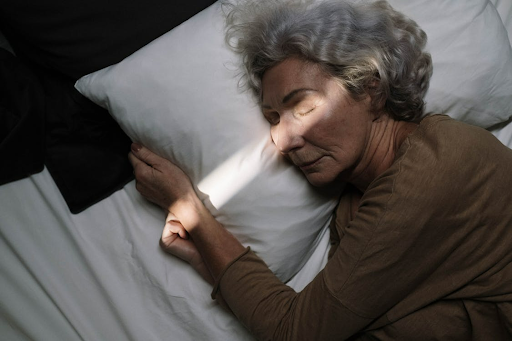
Sleep problems usually pile up from lots of tiny daily habits. The answer isn’t overnight perfection; just pick two or three small fixes, stick with them for two weeks, and suddenly those wide-awake nights start disappearing.
HOW DO YOU FEEL ABOUT FASHION?
COMMENT OR TAKE OUR PAGE READER SURVEY
Featured





Living in Wasilla means dealing with a unique mix of pests that most of the Lower 48 never has to think about.