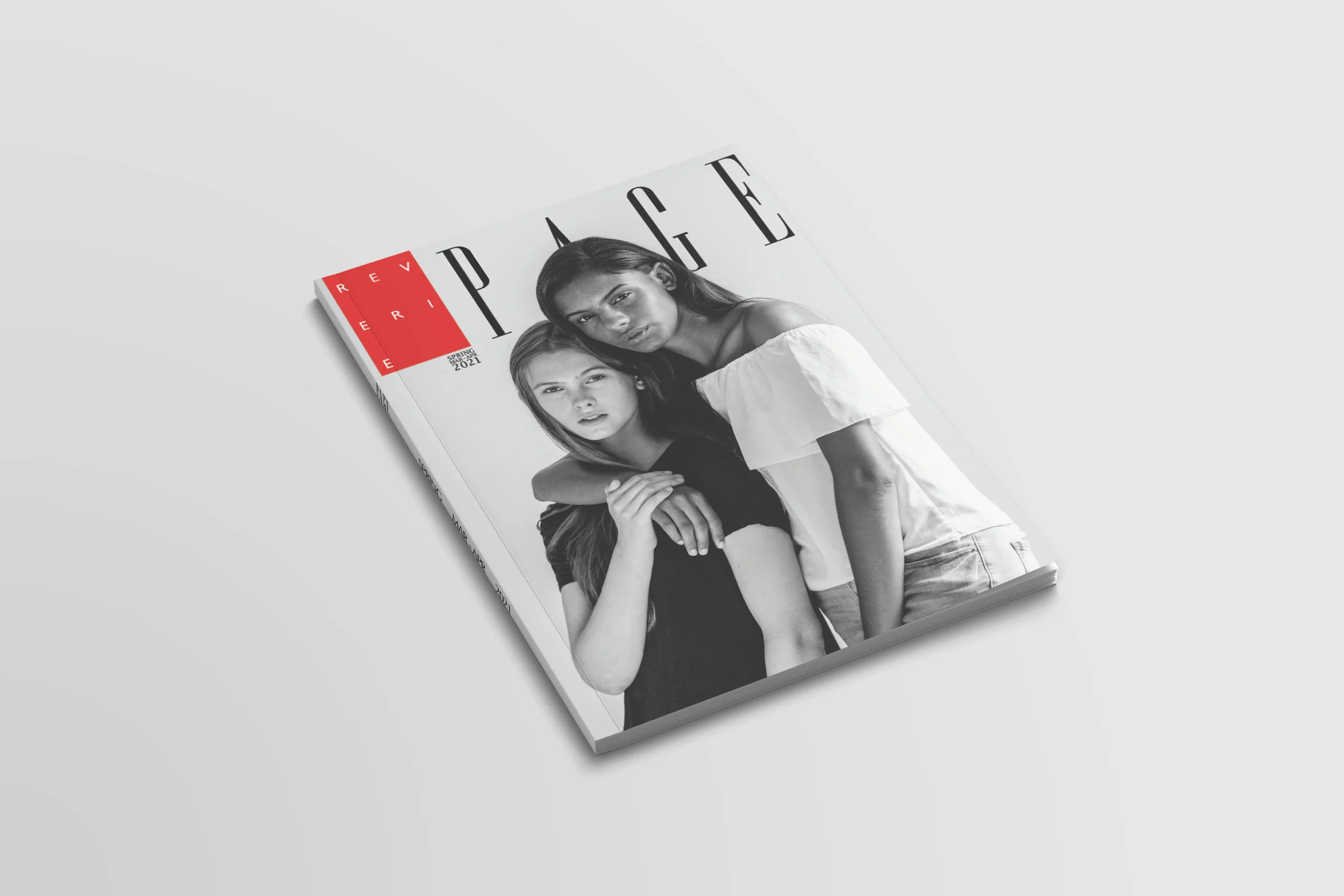
PAGE MAGAZINE BI-ANNUAL PRINT
PAGE solves three problems currently facing the fashion magazine industry: the need for a grounded perspective for readers; the humanization of a seemingly unattainable fashion world; and providing tools for the next generation of enthusiasts to navigate the fashion industry with confidence.
We are passionate about fashion and nostalgic about the printed magazine. We know you are too! We want to provide the best curated content for you, our audience and are conscious of the world we live in. PAGE is setting a new trend for readers who also want to be sustainable. Soon, you’ll be able to purchase an issue of our printed issues made-to-order. Supply each demand as we avoid over producing copies, and produce only what has been requested. Each print, therefore, can mean that much more to our readers.
Print issue availability will be announced…
PHILIPP PLEIN transformed the Cannes Film Festival into a showcase of Riviera-inspired glamour with its Cruise 2027 collection, blending crystal-embellished eveningwear, cinematic sensuality, and immersive luxury storytelling.
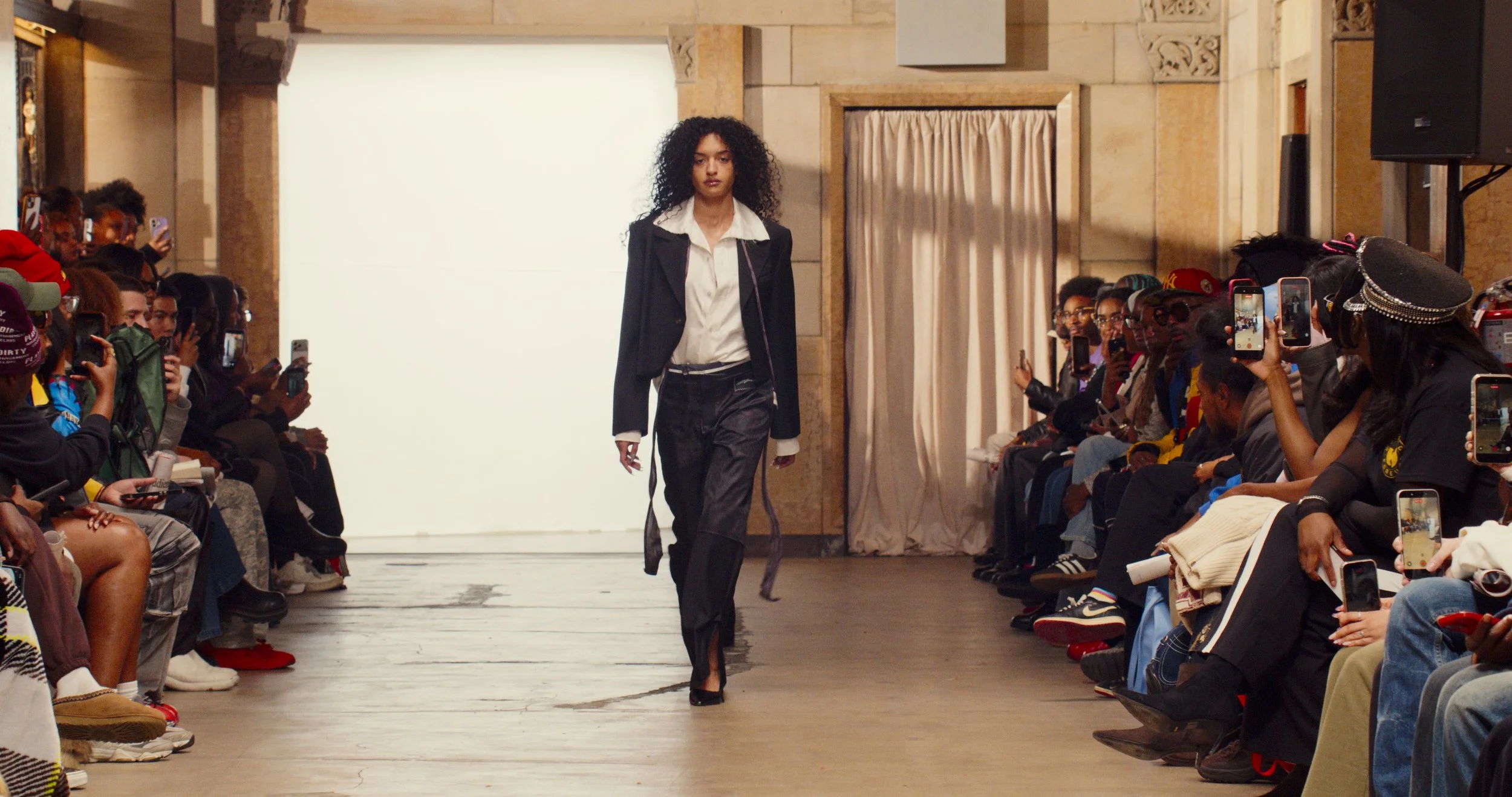
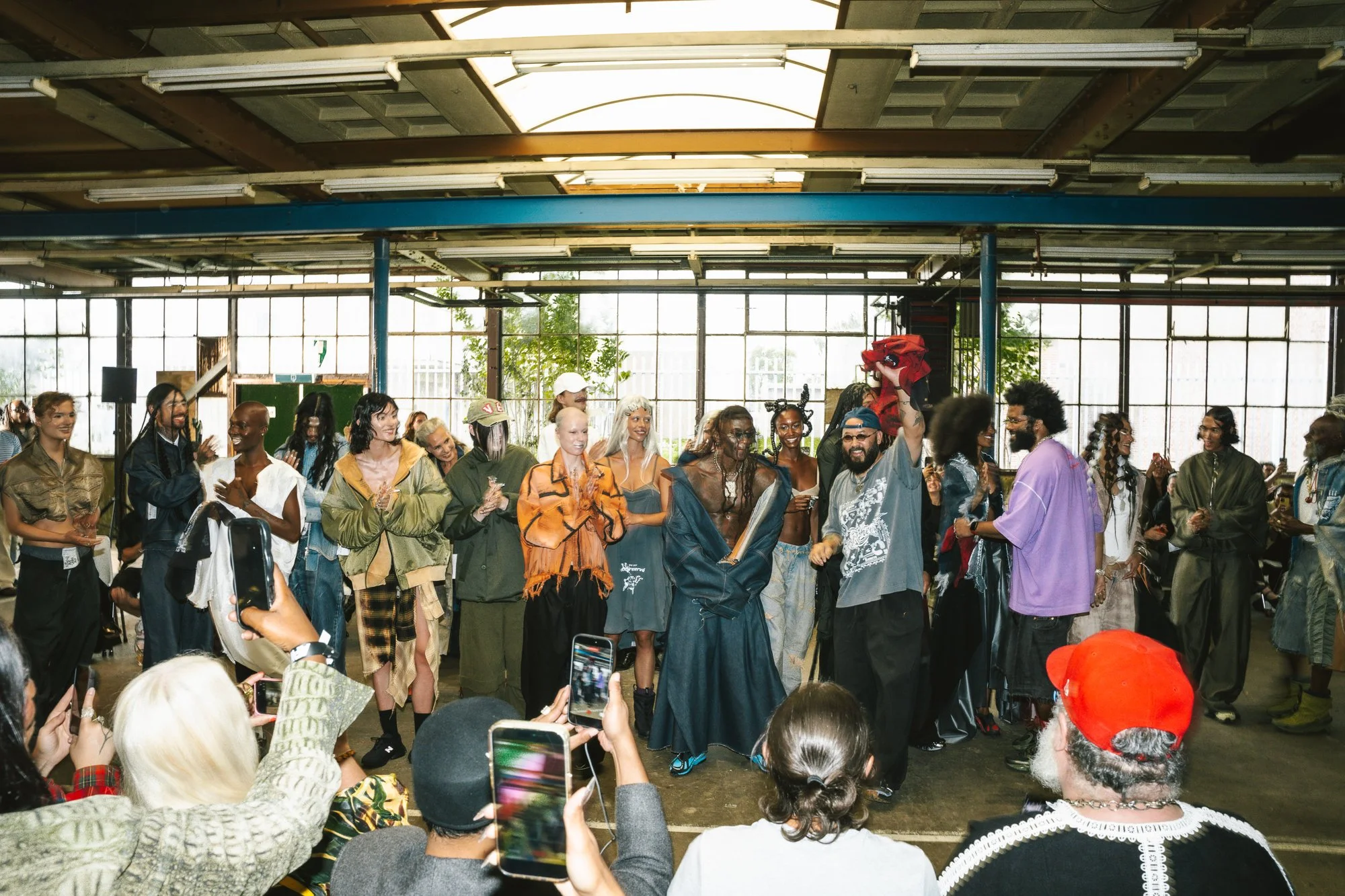
Ensemble, the 2026 Parsons BFA Fashion Design runway showcase, positions fashion as a global dialogue on identity, sustainability, inclusivity, and cultural authorship through the work of 31 emerging designers from across four continents.
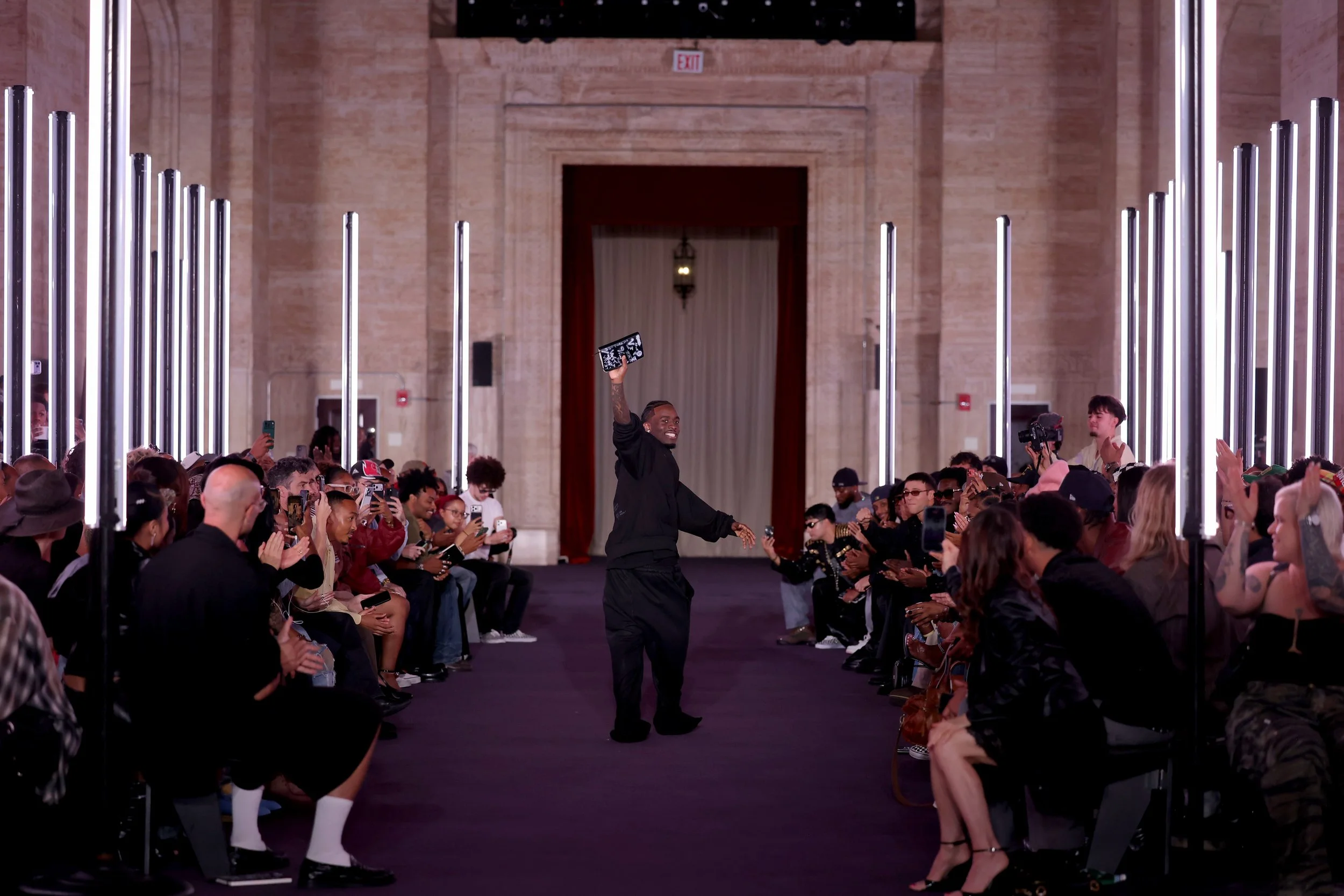
Louis Vuitton’s Cruise 2027 collection transformed New York’s cultural contradictions into a sophisticated dialogue between French craftsmanship, American identity, and the enduring influence of pop art through the visionary lens of Nicolas Ghesquière.
OTB’s 2025 Sustainability Report underscores how the luxury fashion group is embedding renewable energy adoption, circular design, material innovation, workforce development, and social impact into a long-term strategy designed to future-proof both its brands and its business model.
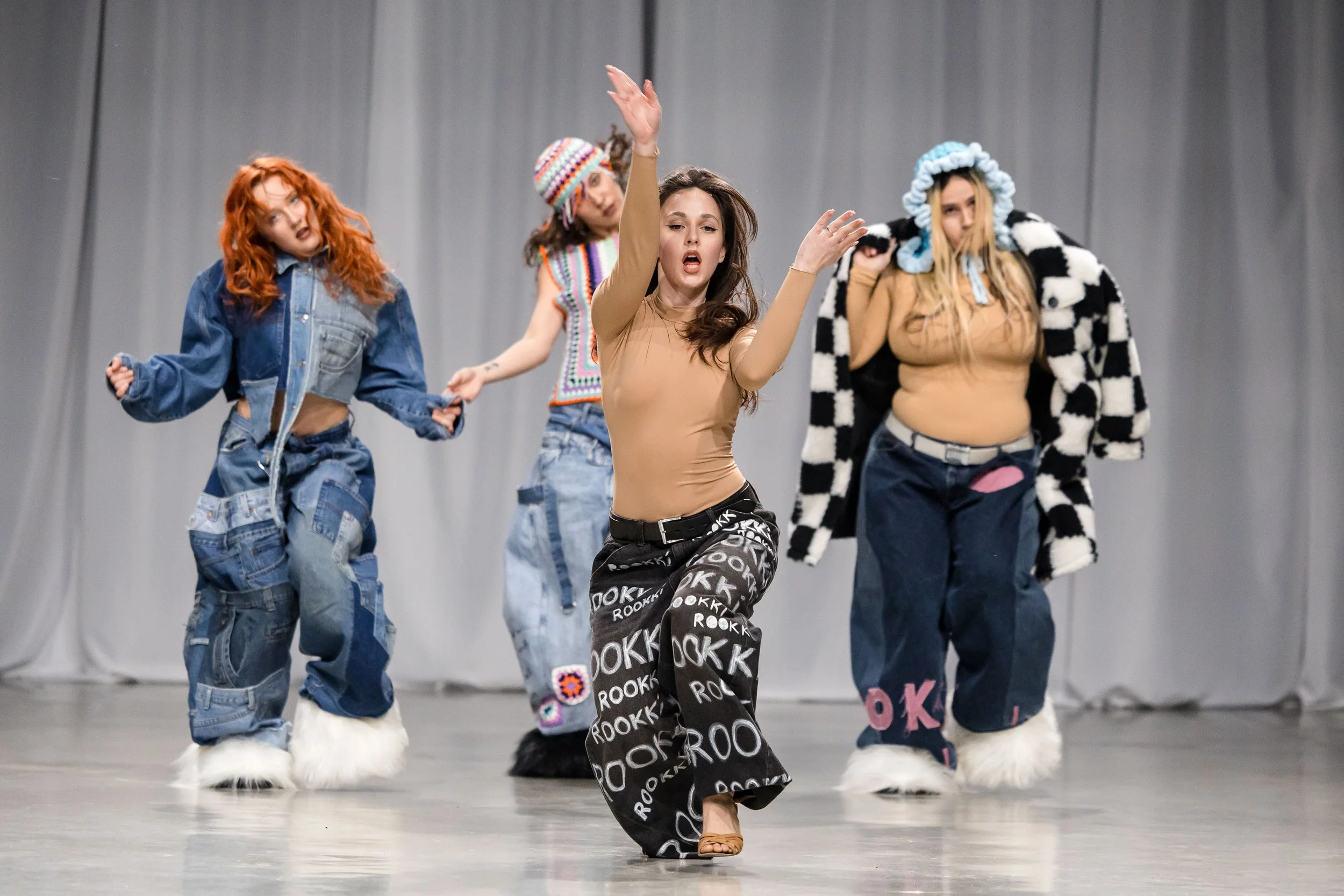
Pratt Institute celebrated its 125th annual fashion showcase with a graduating class whose collections centered sustainability, cultural storytelling, and emotionally driven craftsmanship as defining pillars of fashion’s future.
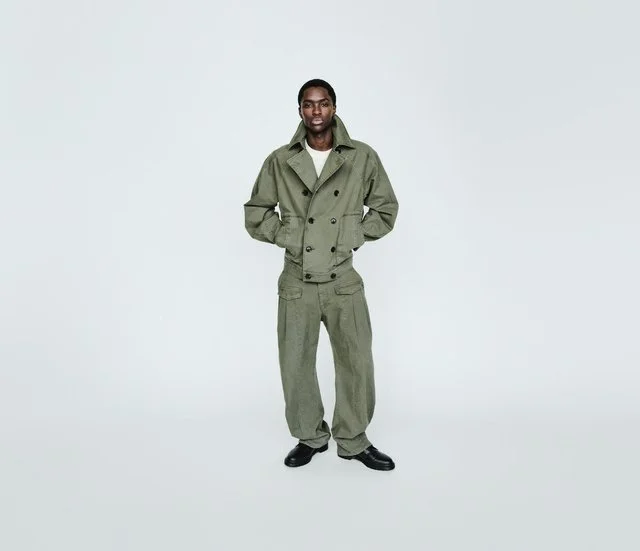
Louis Vuitton’s Pre-Fall 2026 menswear campaign starring Tyshawn Jones transforms Central Park into a portrait of modern New York elegance, blending Pharrell Williams’ evolving vision of luxury with the authenticity of skate culture and urban life.
Gymshark’s debut collaboration with Chris Bumstead, Unfinished, reframes success in fitness culture as an ongoing process, translating the champion’s introspective ethos into a restrained, authenticity-driven capsule collection.
SMCP has appointed Linda Li as President and CEO of North America, signaling the Group’s intensified focus on omnichannel growth, full-price retail strategy, and strengthening its accessible luxury positioning across the region.
Rethinking fitness as more than performance has been one of the most transformative shifts in my routine.
OTB Group and Google Cloud are redefining luxury clienteling through an AI-powered Virtual Try-On platform that blends hyper-personalized styling, immersive digital storytelling, and omnichannel retail innovation across brands including Diesel and Jil Sander.
Balmain has partnered with Brave Kid to launch a global childrenswear line beginning Spring/Summer 2027, signaling luxury fashion’s growing investment in youth-focused brand ecosystems and long-term consumer engagement.
Versace’s Versace Obsessed campaign for La Vacanza 2026, photographed by Steven Meisel, reframes the House’s archival imagery and unmistakable visual codes as a contemporary statement on fashion legacy, cultural memory, and enduring luxury influence.
Envac’s Sustainability Report 2025 highlights how underground automated waste collection systems are evolving into critical urban infrastructure, helping cities reduce emissions, improve resilience, and accelerate circular economy goals for more than 7.4 million daily users worldwide.
The question is no longer whether pickleball grows. It is which parts of the American sports economy it replaces.
Amsterdam-based label MARTAN was named the Grand Prize Winner of the Visa Young Creators: Recycle the Runway programme at the Global Fashion Summit for its innovative approach to transforming discarded luxury hotel linen into commercially scalable circular fashion.
By pairing couture with a KFC-powered twist on indulgence, The Mark Hotel cements its role as New York’s most fashionable address—where the Met Gala’s spectacle is both created and redefined.
The 2026 Wessel & Vett Fashion Prize elevates process over product, using full transparency into designers’ workflows to redefine how creative and commercial success is measured in modern fashion.
Huron, California’s proclamation of Willy Chavarria Day transformed a hometown tribute into a broader model for culturally grounded recognition, pairing fashion’s narrative power with meaningful community investment.
ByUR Skincare’s U.S. debut introduces a refined, cross-cultural approach to pore-focused skincare, merging Korean innovation with Japanese precision to champion simplicity, efficacy, and everyday accessibility.
Rado’s 40th Anniversary Integral Edition underscores the brand’s enduring leadership in high-tech ceramic, positioning material innovation—not just design—as the future of luxury watchmaking.
Envac’s automated waste collection systems are uniquely aligned with India’s <a href="https://moef.gov.in/wp-content/uploads/2026/04/SWM-Rules-2026.pdf" rel="dofollow">Solid Waste Management Rules, 2026</a>, positioning the company as a key infrastructure partner in the country’s shift toward circular, data-driven, and climate-resilient urban waste management.
Neil Kirk in Vogue: The Supermodel Years reframes the photographer’s archive as a foundational blueprint for fashion’s modern global identity, capturing the moment when imagery, celebrity, and commerce converged to reshape the industry.
Depop and The Times Square EDITION transformed Earth Day into a refined, low-waste dining experience led by Chef John Fraser, illustrating how circular fashion and sustainable hospitality can converge into a tangible model for modern luxury.
Timothée Chalamet’s equity partnership with Urban Jürgensen reflects a broader shift toward authenticity and long-term creative alignment, positioning independent watchmaking at the center of contemporary cultural discourse.
Roc Nation and FIT’s inaugural design competition signals a new model for fashion’s future—where industry access, cultural capital, and education converge to transform emerging talent into viable creative enterprises.
Canali’s CAre initiative positions sustainability as a core operational strategy—aligning climate targets, craftsmanship, and community investment to redefine what responsible luxury looks like by 2030.
Vivobarefoot’s Free Your Feet campaign reframes barefoot footwear as a tool for sensory awareness and cultural reflection, challenging “big shoe” orthodoxy by centering connection, intentionality, and the politics of what it means to truly feel grounded.
At FIT’s 20th Sustainable Business and Design Conference, sustainability emerges not as a conceptual ideal but as a quietly disruptive force—reshaping fashion through resale economics, scientific integration, and storytelling that exposes the industry’s global footprint.
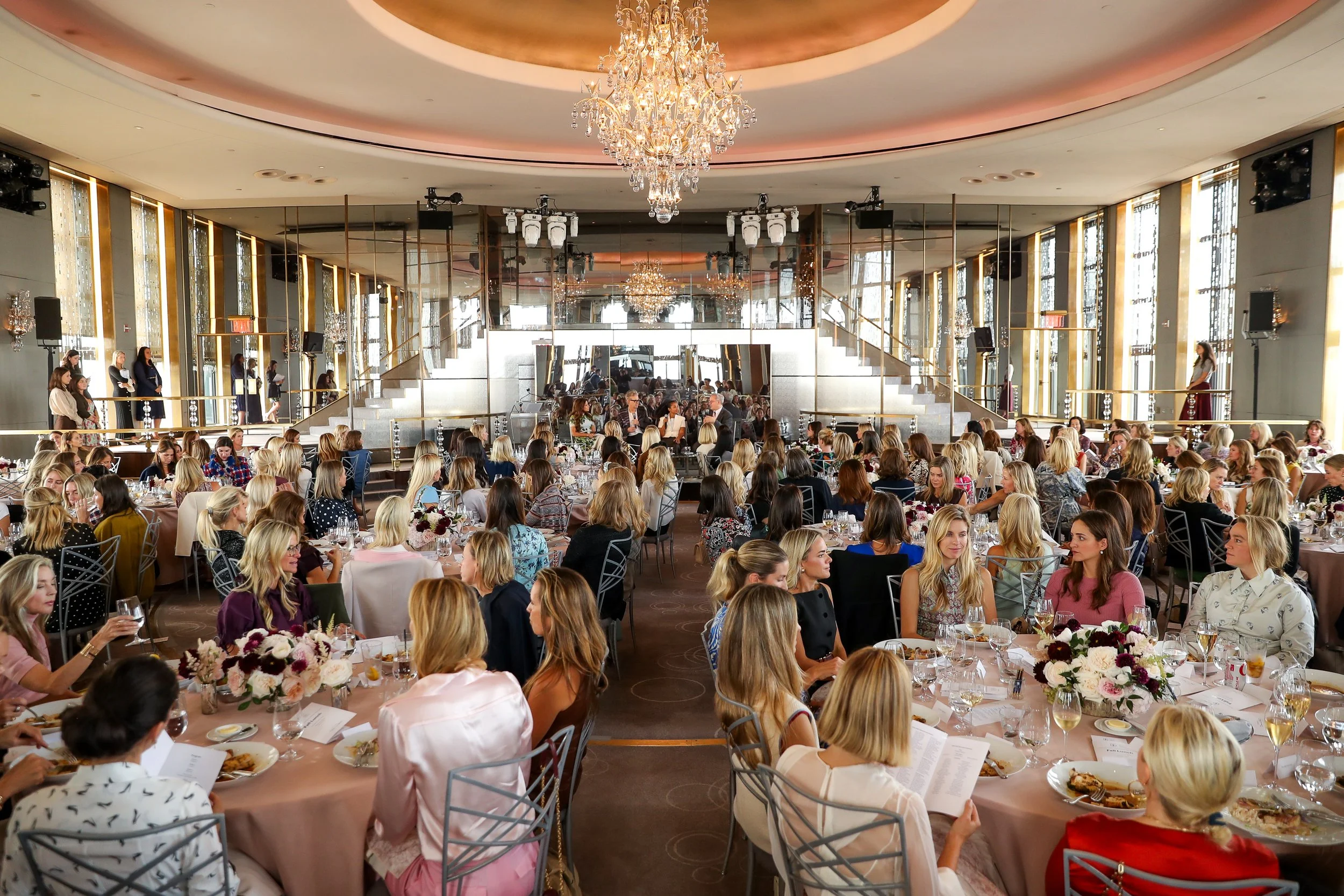
FGI’s 30th Anniversary Rising Star Awards underscored how community, early-stage investment in talent, and leaders like Mindy Grossman continue to shape the future of fashion as both a cultural and economic force.
Mount Gay and Devereux Golf’s new capsule collection reflects the growing convergence of golf, fashion and leisure culture, blending Barbados heritage with a modern reinterpretation of performance-driven style.