
A Step-by-Step Guide to the Car Accident Claim Process

PAGE
By PAGE Editor
As soon as you get into a car accident, move to a safe place, check for your injuries, contact the local law enforcement to report the accident, and exchange your contact information with the other driver.
Even if you feel okay, seek medical help because internal injuries don’t show right away. Take photos of skid marks, debris, and your injuries at the accident scene; look for witnesses and footage that may have recorded the accident, then notify your insurance company.
Understanding the car accident claims process helps you avoid making mistakes such as accepting lowball settlements, knowing how to secure your damages properly, and determining if you need to consult a personal injury lawyer.
Ensure Your Safety and Check for Injuries
A car accident throws you into a state of shock, and it's common to feel lost at that moment.
Once you regain your senses, move to a secure location to make sure you’re safe. Check for visible injuries and see if you feel any pain (even very mild ones) anywhere.
Call 911
After you notice bodily injuries, call 911 and explain to them that you got into an accident and inform them where it took place.
911 operators will immediately dispatch the local law enforcement and medical emergency services to the accident scene. If you cannot file a report this way, try to go directly to the police station and file one.
By doing so, you’re creating your police report, which is key evidence. The police officer documents the details about the accident and their own insights into what may have happened.
Exchange Contact with the Other Driver
Legally, both parties involved in an accident that results in injury are required to exchange their details. So, make sure you exchange your contact, name, and insurance information with every party involved in the accident.
Keep in mind you need not say anything else. Just exchange details and refrain from apologizing to the other driver or saying something like “I feel bad." The things you say here will be used against you later.
Treat Your Injuries Immediately
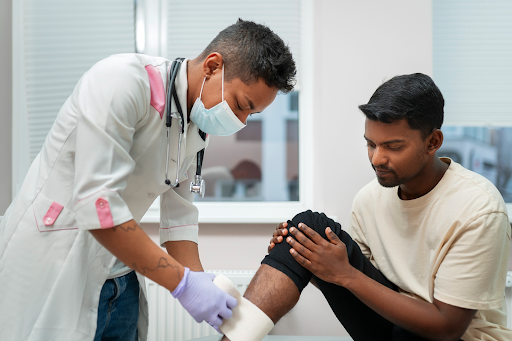
This is very crucial. Getting medical help doesn’t just protect your health; it’s a step in documenting evidence that’ll later play the main role in calculating the compensation for your damages.
Even if you feel fine and feel like external injuries are minor, it’s common for victims that sustain internal injuries to experience delayed symptoms. Please ensure that you retain the medical bills from the treatments, as they serve as important evidence for your records.
Document Evidence at the Scene
The evidence you are able to gather at the accident scene can strengthen your case substantially. Look around for
Potential witnesses, like bystanders, pedestrians, or literally anyone who witnessed the accident scene. Exchange contact with them and ask them if they can testify in your favor.
The vehicle's damaged parts, debris on the road, and skid marks. Photograph these as they are evidence, then take a photo of your own injuries.
Traffic cameras, surveillance, and dashcam footage that may have captured how the accident happened.
Notify Your Insurance Company
You have to contact your insurance company and inform them you got into an accident within 24 to 48 hours in most cases. It’s crucial to notify them as soon as possible to prevent claim denials.
When you give them details, talk to them only in neutral language; do not admit to anything. You’re simply passing along the information you’ve collected, such as the other driver’s details, the time and location of the accident, and any photos of the accident you may have.
Consult a Personal Injury Lawyer
When you have a potential personal injury claim, it’s smart to consult an attorney before you move your case further, especially if you’re dealing with a complex case where serious injuries and multiple parties are involved.
Even in less serious cases, it can be frustrating to deal with the at-fault party’s insurance adjusters by yourself, because their main aim is to minimize your compensation.
When you hire a personal injury lawyer, they ensure your rights stay protected, collect solid evidence along with you, and negotiate a fair settlement with the insurance company.
Key Takeaways
Move to a safe place and ensure your safety, which matters more than anything. Check for injuries after that.
Contact 911, and they will dispatch a police crew to the accident scene. This is legally required, and it’s key evidence.
Share your contact, name, and insurance information with the other driver, and make sure they share theirs.
Have your injuries treated for safety and to create medical records, as they are major evidence for your compensation.
Look for footage around the accident scene and potential witnesses, and then take photos of skid marks, debris patterns, and your injuries.
Contact your insurance company to let them know you were in an accident as soon as you can.
To have your legal rights protected and legal guidance by your side, consider consulting an attorney to see what you’re dealing with.
HOW DO YOU FEEL ABOUT FASHION?
COMMENT OR TAKE OUR PAGE READER SURVEY
Featured




For many people, the end of the workday does not always mean the beginning of recovery.