
How to Create a Balanced Firework Show With Different Effects
PAGE
By PAGE Editor
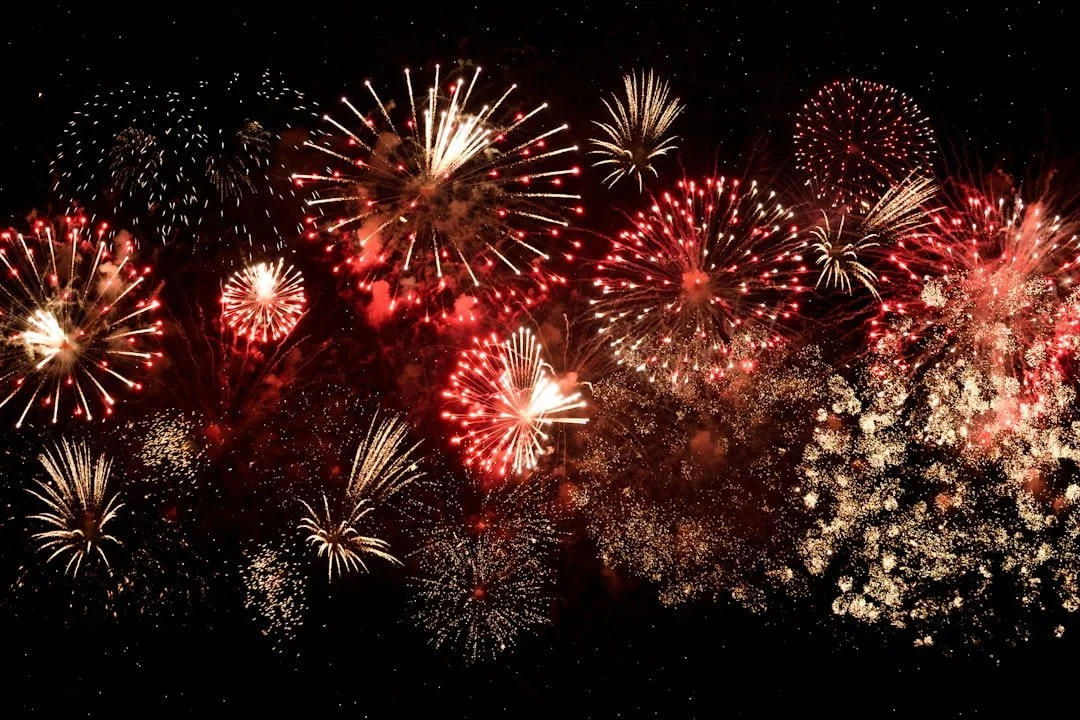
A great fireworks display isn’t just “more shells, more noise.” The shows people remember have shape: a beginning that invites attention, a middle that builds momentum, and a finale that feels earned rather than chaotic. Balance is what makes the difference—balancing height with width, brightness with breathing room, sound with silence, and novelty with consistency.
If you’re planning a community event, a wedding send-off, or a small festival, you don’t need a stadium budget to create a satisfying show. You do need a plan that treats fireworks like a visual language, not a random playlist on shuffle.
Start With the Framework: Time, Space, and Audience
Before you pick effects, decide what you’re building for.
Define the “container” of your show
A balanced show begins with three constraints:
Duration: Many small-to-mid displays land well around 6–10 minutes. Shorter can feel abrupt; longer can start to drag unless you have choreography and variation.
Site geometry: How wide is your firing area? How close is the audience? Tall shells without horizontal spread can look “thin” in a wide open field; dense low-level effects can feel cramped if viewed from far away.
Noise tolerance: Some venues (near livestock, hospitals, residential zones) benefit from a show that leans on visuals—comets, mines, lower-break effects—rather than constant heavy salutes.
Decide on the emotional arc
Ask yourself: do you want elegant and cinematic, or fast and punchy? A wedding show often benefits from clean symmetry and deliberate pacing; a sports celebration can handle more rapid transitions and louder punctuation.
Choose a Palette of Effects (And Know What Each One Contributes)
“Different effects” doesn’t mean “every effect.” It means selecting categories that play distinct roles—like instruments in a band.
Your core effect families
Here’s a practical way to think about the building blocks (and this is the only place you really need a list):
Ground and near-ground: fountains, wheels, low strobes, flame (where legal)
Low-to-mid air: mines, comets, roman candles, cakes that fill the lower sky
High breaks: aerial shells with chrysanthemum, peony, willow, palm, etc.
Texture and specialty: crackle, strobe, glitter, brocade, color-changing effects
Punctuation: salutes (where permitted), quick reports, or bright single hits for emphasis
A balanced show typically uses at least three layers (ground, mid, high) and two textures (e.g., glitter + strobe, or willow + crackle) so the sky doesn’t look the same for minutes at a time.
Match effect to viewing distance
A common planning mistake is choosing intricate breaks that look gorgeous up close but turn into faint sparkles from 300 meters away. If your audience is far back, prioritize:
larger breaks and longer hang-time (willows, brocades)
strong color blocks (solid red/green/blue)
simple, bold rhythms (clean sequences rather than “busy” mixing)
When you’re evaluating options, browsing a well-organized catalog helps you compare effects by height, spread, and duration; resources like Anfield Fireworks are useful for understanding what different items do in the air so you can design with intention rather than guessing.
Build in Layers: Height, Width, and Depth
The easiest way to make a show feel “professional” is to avoid a single plane of action.
Height progression
Think of height as your vertical storyline:
Opening: lower and mid effects invite attention without “spending” your biggest moments too early.
Middle: introduce high breaks, but alternate with mid-level sequences so the audience has contrast.
Finale: commit to the full height range—mid-level driving patterns under high breaks—so the sky feels filled, not just tall.
Width and symmetry
If your firing area allows it, consider left/center/right positions. Even a simple left-right conversation (two mirrored cakes, alternating comets) creates a sense of choreography.
A trick many planners use: keep the “center” for statements (big shells, signature colors) and use sides for motion (comet fans, angled mines) to add breadth without confusing the focal point.
Depth (front-to-back)
Depth is the subtle layer people notice without naming it. If you can safely separate near-ground effects from aerial racks, you can create a “stage” feel: a bright lower line with high breaks floating above. It reads as deliberate and cinematic.
Control the Rhythm: Give the Audience Time to Feel It
A balanced show breathes. Constant firing can flatten the emotional arc because there’s no contrast.
Use phrases, not randomness
Aim for repeating motifs. For example:
10–15 seconds of mid-level comets in a consistent tempo
a brief pause (1–2 seconds is enough)
a high break “answer” in a contrasting color
Repeating a pattern twice tells the audience, subconsciously, “this is a section,” which makes the show feel composed.
Contrast is your friend
Alternate:
bright vs. dark (a glittering willow after a hard strobe sequence)
fast vs. slow (rapid mines into a lingering brocade)
quiet vs. loud (visual-heavy effects before your bigger reports)
If everything is intense, nothing feels intense.
Balance Color and Texture (So It Doesn’t Turn Into Noise)
Color planning is underrated. Too many shows become “all colors all the time,” which reads as messy from a distance.
Pick a limited color scheme per section
Try working in three “acts,” each with a dominant palette:
Act 1: cool colors (blue, silver, purple) to set tone
Act 2: warm build (red, gold, green accents)
Act 3: high-contrast finale (gold + white strobe, or mixed primaries if you want maximum energy)
Don’t stack similar textures for too long
Crackle after crackle can become a blur. Mix textures intentionally: crackle as punctuation, glitter for elegance, strobe for intensity, and willows for hang-time and scale.
Finish Strong Without Emptying the Tank Too Early
A strong finale isn’t just “more.” It’s denser and wider, with fewer gaps.
A practical finale recipe
Bring back a recognizable motif from earlier (a color or rhythm) so it feels like a payoff.
Increase firing rate in the last 20–30 seconds.
Combine mid-level drivers (mines/comets/cakes) with high breaks to fill the sky.
End with a clean full-stop: one or two decisive hits that clearly say “that’s the end.”
People remember the last 10 seconds disproportionately. Save a little headroom for it.
Don’t Let Safety and Compliance Be an Afterthought
The best-designed show is the one that happens safely and legally. Follow local regulations, set proper safety distances, account for wind direction, and plan fallout zones. If you’re not a licensed operator, consult one—especially when aerial shells and larger effects are involved. Balance includes respecting the site and the audience, not just creating spectacle.
A fireworks show is a designed experience. When you treat effects like a toolkit—each with a purpose—you’ll naturally create balance: variety without clutter, intensity without fatigue, and a finale that feels inevitable in the best way.
HOW DO YOU FEEL ABOUT FASHION?
COMMENT OR TAKE OUR PAGE READER SURVEY
Featured


Video is no longer optional for marketing teams, e-commerce brands, and solo creators.