
Self-Care Starts in the Mouth: Rethinking Dental Health as a Wellness Ritual
PAGE
By PAGE Editor
The average person spends hundreds of dollars annually on supplements, gym memberships and wellness products.
And then skip their six-month dental check-up.
Listen, oral health is not wellness. Oral health is wellness. What's going on in your mouth affects your heart, brain, confidence, quality of life—all aspects of your day. Neglecting it won't just leave holes in your teeth. It leaves holes in your whole wellness routine.
The link between oral health and self-care becomes even more difficult for seniors to avoid. From coping with gum disease to living with tooth loss to choosing the right dentures for seniors, every dental care decision you make is also a self-care decision. Period.
Here's What's Inside:
Why dental health belongs in every wellness conversation
The surprising mouth-body connection
What modern dentures for seniors actually look like
Building a daily dental wellness routine that sticks
How to find the right long-term dental partner
Dentures for Seniors: It's Time to Reframe the Conversation
Older adults face harmful stereotypes about dentures. Dentures are seen as a desperate measure – something that is done to you instead of a viable, contemporary dental treatment that millions of seniors utilize to regain their comfort.
Think again. Dentures for older adults are one of dentistry's most popular and longstanding solutions – and when fit and cared for properly, they do much more than replace a smile. They replace the ability to eat painlessly, speak confidently and get through the day without worrying about your teeth.
Consulting with a trusted dental practice is truly the single most important decision any senior can make when exploring their denture options. A qualified team will look at bone health, lifestyle and more to recommend a solution with the best long-term prognosis.
Did you know that today's dentures are NOT your grandparents' loose and annoying dentures. These days there are many options for seniors when it comes to dentures.
Traditional full dentures — replacing all teeth on either the upper or lower arch only
Partial dentures — ideal when some natural teeth are still healthy and present
Implant-supported dentures — anchored to the jawbone for a more permanent, secure fit
Immediate dentures — placed right after extractions, so there's no waiting period
You want the right fit for your bone density, budget and lifestyle. But it all starts with the same thing — a comprehensive exam by a trained professional.
Why Senior Oral Health Gets Left Behind
Dental health has an image problem.
It's considered "maintenance" as opposed to wellness. Framing is important – because it affects whether or not people prioritize it. Stats show far too many seniors neglect it.
The CDC tells us that 25% of US adults 65+ have lost all natural teeth. Yup, you read that right. 1 in 4 seniors are toothless. 70.1% of seniors struggle with gum disease, and that number is growing.
Seniors aren't avoiding oral care because they don't care about themselves. Oral care has never been marketed to them as part of overall wellness. It becomes an "If I feel like it" kind of thing. That mindset creates tangible harm.
The bright side? That attitude is shifting. Many seniors are starting to realize that maintaining their oral health isn't vanity - it's practicality. Healthy teeth and gums help you eat nutritious foods, speak easily and prevent the chronic pain that slowly damages your overall health.
The Mouth-Body Connection Nobody Talks About Enough
Here's something that genuinely surprises people...
Your mouth is an entry point into your entire body. The bacteria in your mouth don't remain in your mouth — they spread. Gum disease is scientifically linked to heart disease, type 2 diabetes, lung issues, and brain health. This isn't alternative medicine. Listen up.
A few things worth knowing:
Periodontitis increases heart disease risk by 30%
Oral bacteria have been directly linked to Alzheimer's disease
People with diabetes are twice as likely to develop gum disease
Chronic oral inflammation is connected to systemic health decline across multiple conditions
And here's the mindset shift that matters...
Delta Dental's 2024 State of America's Oral Health Report revealed that 91% of adults view going to the dentist as important as their annual physical exam. The public is waking up to the facts. Oral health is a cornerstone of whole-person wellness — and people are finally starting to see it that way.
Building a Daily Dental Wellness Routine
This is where most people fall short...
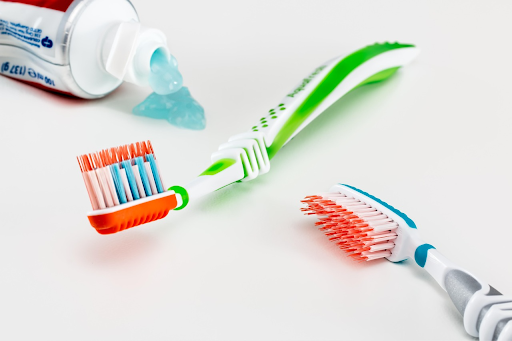
Preventive dentistry doesn't stop at the dentist's office. It's created with good daily habits at home. One of seniors' best prevention tools is a good daily routine and it doesn't have to be complicated.
A strong daily routine looks like this:
Brush twice daily using a soft-bristle toothbrush — especially important for sensitive gums
Floss or use interdental brushes daily to clean between your teeth where brushes can't go
Drink plenty of water — dry mouth can cause seniors to be at higher risk for cavities and gum disease
Cut down on sugary and acidic foods/drinks — they speed up tooth decay more than most people realise
Don't cancel appointments — it's always cheaper and easier to fix things before they get bad
Denture care for seniors is slightly different — but no less important. Dentures should be cleaned daily, removed at night, and routinely checked for fit. Ill-fitting dentures aren't just uncomfortable. They can cause sores, faster bone loss and difficulty eating that impacts your general health.
The Final Word
Only going to the dentist when in pain is expensive.
The link between oral health and overall-body health is too strong to ignore. Gum disease. Tooth loss. The choice to investigate dentures for seniors. These are all legitimate health concerns — and they should be treated as such.
The best time to have started was years ago. The next best time is now.
Make an appointment. Ask the tough questions regarding dentures. Locate a practice that will treat your oral health the way it should be treated — with importance.
Because self-care really does start in the mouth.
HOW DO YOU FEEL ABOUT FASHION?
COMMENT OR TAKE OUR PAGE READER SURVEY
Featured





Deep clean, seal, and protect your tile & grout in Oceanside, CA. Bring the original shine back to your floors. Request a quote today!