
How Comfort Features Have Evolved in New Trucks
PAGE
By PAGE Editor
Modern trucks are no longer just work-focused machines designed purely for hauling and towing. Over the past few decades, they have transformed into highly refined vehicles that balance utility with comfort, convenience, and advanced technology. This shift has been driven by changing consumer expectations, improved automotive engineering, and a stronger focus on driver well-being during long journeys.
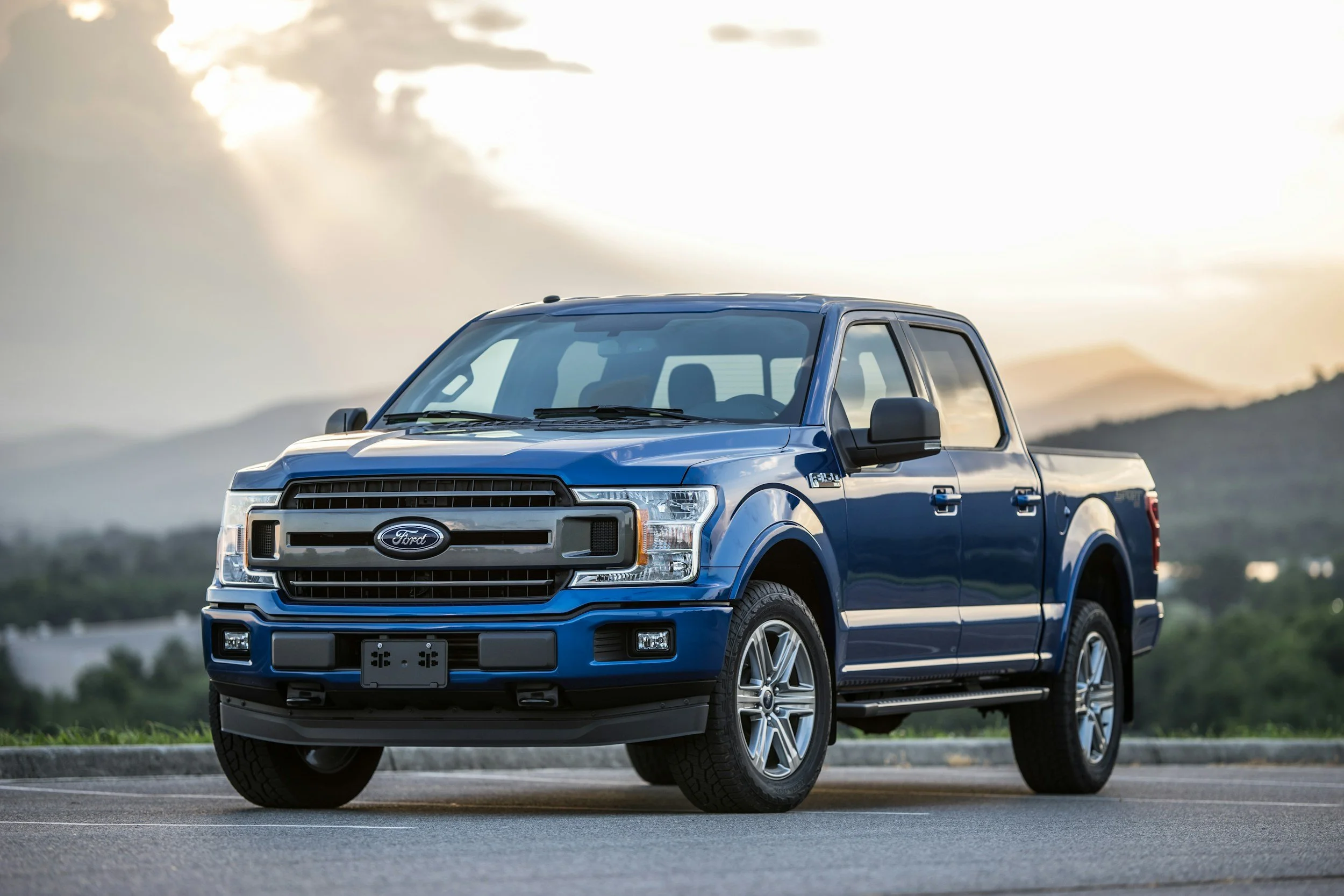
In earlier eras, truck cabins were basic and functional, offering little more than a seat, steering wheel, and minimal insulation. Today, however, buyers exploring New trucks for sale are often surprised by the level of luxury found in modern pickup interiors. Features once reserved for high-end sedans are now standard or widely available in trucks, reshaping what drivers expect from these powerful vehicles.
The Early Days: Function Over Comfort
In the earliest generations of pickup trucks, comfort was not a priority. Cabins were designed to be durable and practical, often featuring metal interiors, stiff bench seating, and minimal padding. Long-distance driving was physically demanding due to vibration, noise, and limited suspension refinement.
Truck seats offered little adjustment, and there was almost no attention to ergonomics. Drivers frequently experienced fatigue because seats lacked lumbar support and cabins were not insulated from engine noise or road vibrations. The focus was entirely on utility—getting work done mattered more than driver comfort.
As trucking became more essential for logistics and transportation, manufacturers slowly began to recognize that improving comfort could also improve productivity and safety.
The Introduction of Basic Comfort Features
During the late 1970s and 1980s, truck design began to shift. Manufacturers introduced basic comfort improvements such as better cushioning in seats, improved materials, and early heating systems. These changes marked the beginning of comfort being seen as a valuable feature rather than a luxury.
Air conditioning also started becoming more common in trucks during this period. While early systems were not highly efficient, they made long drives in extreme heat significantly more manageable. This era also saw improved cabin layouts, with more attention given to driver positioning and control accessibility.
These developments laid the foundation for future innovations, as drivers began expecting more comfort even in utility-focused vehicles.
Ergonomics and Driver-Centered Design
By the 1990s and early 2000s, ergonomics became a major focus in truck design. Manufacturers began studying how drivers interact with their vehicles over long periods, leading to improved seat shapes, adjustable steering columns, and better pedal placement.
Seats became more customizable, offering:
Lumbar support adjustments
Height and tilt control
Better cushioning materials
Cabin space also increased, making trucks feel less cramped and more like passenger vehicles. At the same time, sound insulation improved, significantly reducing road and engine noise inside the cabin.
This era marked a major turning point where trucks started evolving into long-distance comfort vehicles rather than just short-haul work tools.
Climate Control and Interior Environment Improvements
One of the most noticeable comfort upgrades in modern trucks has been climate control systems. Early heating and cooling systems were manual and inconsistent, requiring constant adjustment. Today, trucks feature automatic climate control systems that maintain consistent temperatures without driver input.
Advanced systems now include:
Dual-zone and multi-zone climate control
Automatic temperature regulation
Faster cabin heating and cooling
Improved air filtration systems
These innovations allow both driver and passengers to enjoy personalized comfort, even in extreme weather conditions. This is especially important for drivers who spend long hours on the road or travel across different climates.
Seating Technology and Long-Distance Comfort
Modern truck seats are far more advanced than earlier generations. Comfort is no longer just about softness—it is about support, adjustability, and reducing fatigue over long drives.
Today’s trucks often include:
Heated and ventilated seats
Memory settings for multiple drivers
Power-adjustable seat positioning
Advanced lumbar and shoulder support systems
Some premium models even offer massage functions, which help reduce muscle fatigue during long trips. These improvements make modern trucks suitable not only for work but also for daily commuting and family travel.
Noise Reduction and Cabin Insulation
Another major improvement in truck comfort has been noise, vibration, and harshness (NVH) reduction. Earlier trucks allowed significant road noise and engine vibration to enter the cabin, making long drives tiring.
Modern trucks use:
Acoustic glass windows
Sound-deadening materials in doors and floors
Improved engine mounting systems
Aerodynamic designs to reduce wind noise
These enhancements create a quieter and more refined driving experience, allowing conversations, music, and phone calls to be clearer and more enjoyable.
Technology Integration and Digital Comfort
Comfort in modern trucks is not only physical—it is also digital. Infotainment systems have become central to the driving experience, offering navigation, entertainment, and connectivity features.
Common features include:
Large touchscreen displays
Smartphone integration (Apple CarPlay and Android Auto)
Voice-controlled systems
Built-in navigation with real-time traffic updates
These systems reduce driver stress by simplifying control access and improving convenience during travel.
Smart Driving Assistance Systems
Comfort also comes from reduced driving effort, and modern trucks increasingly include advanced driver assistance technologies. These systems make driving easier and less stressful, especially on long highways or in heavy traffic.
Examples include:
Adaptive cruise control
Lane-keeping assist
Blind-spot monitoring
Automatic emergency braking
These features help reduce driver workload and increase confidence behind the wheel, contributing to overall comfort.
Conclusion
The evolution of comfort features in trucks reflects a broader transformation in automotive design. What were once purely functional work vehicles have become highly refined machines that prioritize both performance and driver experience. From basic metal cabins to advanced interiors with climate control, digital connectivity, and ergonomic seating, the progress has been significant.
Today’s trucks offer a balance between strength and comfort, making them suitable for work, travel, and everyday use. As technology continues to advance, future trucks will likely become even more comfortable, intelligent, and personalized, further blurring the line between utility vehicle and luxury transport.
HOW DO YOU FEEL ABOUT FASHION?
COMMENT OR TAKE OUR PAGE READER SURVEY
Featured





Flyknit and leather sit at opposite ends of the handbag world, and buyers get pushed into picking a side too early. One sounds modern and light. The other sounds premium and safe.