
Understanding the Process of Filing an Insurance Claim After Storm Damage
PAGE
By PAGE Editor
For example, some policies may cover wind damage but not flooding, while others may have specific conditions for certain types of repairs. Understanding these details is essential when filing a claim.
Getting help ensures that policy terms are reviewed carefully. This reduces the risk of surprises later in the process and helps set realistic expectations.
Communicating with Insurance Providers
Communication plays a major role in how a claim progresses. Providing accurate information, responding to requests, and following up regularly can all influence the outcome.
However, dealing with insurance providers can sometimes feel intimidating. There may be multiple steps involved, including inspections, assessments, and approvals.
Having help with an insurance claim after storm damage can make communication more effective. It allows for clearer conversations and helps ensure that important points are addressed.
Avoiding Common Mistakes
Many people make simple mistakes during the claims process, often without realizing it. These can include:
Delaying the claim submission
Providing incomplete information
Overlooking minor damage that later becomes significant
Misunderstanding policy limits
These mistakes can slow down the process or affect the final settlement. With proper guidance, it becomes easier to avoid these issues and move forward with confidence.
The Emotional Side of Recovery
Storm damage is not just a financial concern. It can also be emotionally challenging. Homes are personal spaces, and seeing them damaged can be distressing.
The claims process, with its forms and procedures, can add to that stress. This is why support is not just practical but also reassuring.
Having someone guide the process allows individuals to focus on recovery rather than getting lost in technical details. It creates a sense of direction during a time that often feels uncertain.
Planning for Repairs and Restoration
Once the claim is underway, the next step is planning repairs. This involves assessing the extent of the damage and deciding on the best course of action.
Accurate estimates are important here. They help ensure that the claim reflects the true cost of repairs. Without proper evaluation, there is a risk of underestimating expenses.
Help with an insurance claim after storm damage often includes advice on managing this stage. It ensures that repair plans align with the claim and that nothing is overlooked.
Long-Term Benefits of Being Prepared
Going through a storm damage claim can be a learning experience. It highlights the importance of being prepared and understanding how insurance works.
Keeping updated records of property conditions, reviewing policies regularly, and knowing where to seek help can make future situations easier to handle.
Preparation does not prevent storms, but it does make recovery more manageable.
Final Thoughts
Storm damage can disrupt life in unexpected ways, but the recovery process does not have to be overwhelming. With the right approach and proper support, it becomes possible to navigate the situation more effectively.
Seeking help with an insurance claim after storm damage is not just about completing a task. It’s about making sure that the process is handled correctly, fairly, and with as little stress as possible.
From documentation and communication to understanding policy details, each step plays a role in reaching a successful outcome. By staying informed and taking a structured approach, individuals can move from uncertainty to resolution with greater confidence.Storms can arrive without much warning and leave behind more than just temporary disruption. From damaged roofs to flooded interiors, the aftermath can feel overwhelming. In such situations, knowing how to get help with an insurance claim after storm damage becomes essential. It’s not just about paperwork. It’s about recovering losses, restoring stability, and making informed decisions during a stressful time.
While insurance is meant to provide financial protection, the process of filing and managing a claim is not always straightforward. Understanding how it works and why support matters can make a significant difference.
The Reality of Storm Damage
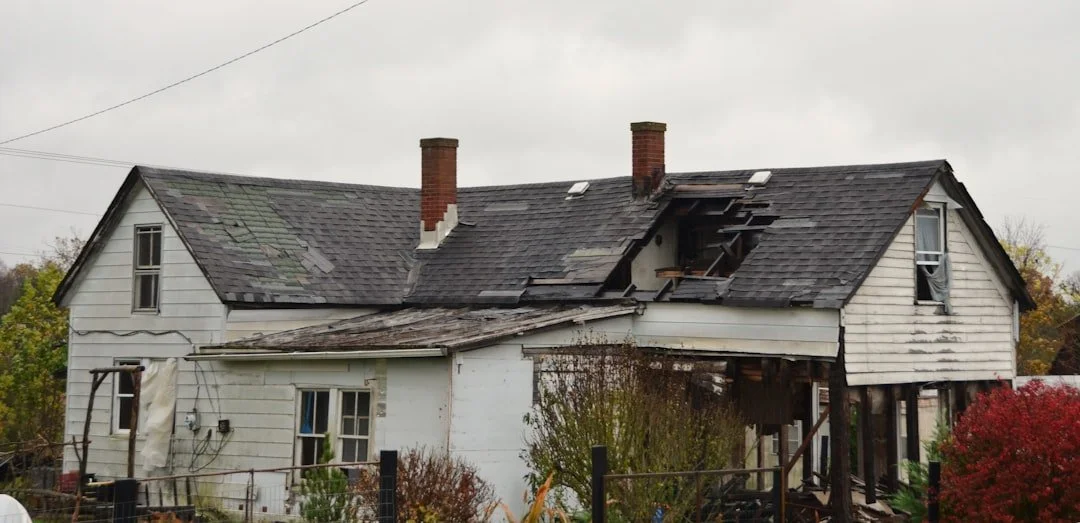
Storm damage can vary widely depending on the severity of the weather. Heavy rainfall, strong winds, hail, or flooding can all impact property in different ways. Some damage is obvious, like broken windows or fallen trees. Other issues, such as water seepage or structural weakening, may not be immediately visible.
This is where early action becomes important. Assessing the situation carefully and documenting damage as soon as possible can help create a clearer picture of what needs to be addressed.
However, for many people, the challenge begins after the initial inspection. Understanding what qualifies for coverage and how to present a claim can quickly become confusing.
Why Getting Help Matters
Seeking help with an insurance claim after storm damage can ease much of the uncertainty. Insurance policies often contain complex terms and conditions, and it’s not always easy to interpret them correctly.
Support can come in different forms. It might involve guidance on documentation, understanding policy coverage, or communicating effectively with the insurance provider. The goal is to ensure that nothing important is overlooked.
Without proper guidance, people may unintentionally miss details that could affect the outcome of their claim. This can lead to delays or even partial compensation.
The Importance of Proper Documentation
One of the most critical steps in the claims process is documentation. Clear and detailed records help support the claim and provide evidence of the damage.
Photographs, videos, and written descriptions can all be useful. It’s important to capture both the overall damage and specific areas that have been affected. Keeping records of repair estimates and receipts also adds credibility to the claim.
When seeking help with an insurance claim after storm damage, guidance on documentation can be especially valuable. Knowing what to include and how to organize it can make the process smoother.
Understanding Policy Coverage
Insurance policies are not always easy to read. They often include technical language that can be difficult to interpret. This can lead to misunderstandings about what is covered and what is not.
HOW DO YOU FEEL ABOUT FASHION?
COMMENT OR TAKE OUR PAGE READER SURVEY
Featured





Depop and Burton are celebrating 50 years of snowboard culture with a 50-piece archival resale drop priced at $50.50 and below, bringing vintage outerwear and apparel to a new generation while launching Depop’s Brand Shop Drop series.