
How to Harvest and Use Sunflower Seeds
PAGE
By PAGE Editor
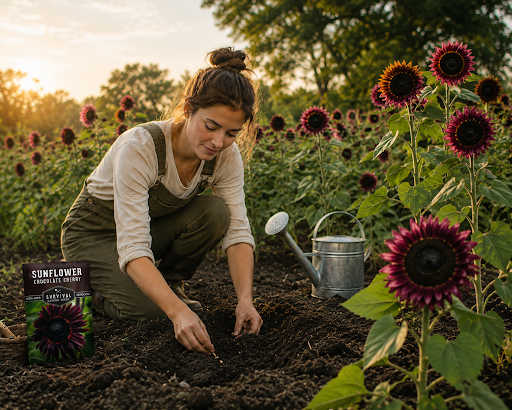
Sunflowers are rewarding to grow, but the harvest is where they become especially useful. Once the flowers mature, you can collect seeds for eating, storing, replanting, or feeding birds. Many gardeners grow sunflower seeds because they are easy to harvest, simple to store, and useful in the kitchen or garden.
This makes sunflowers a practical crop for home gardeners. They bring beauty during the growing season and provide something valuable at the end. With the right timing and storage, a single planting can support several uses.
Before Harvest: Growing Healthy Sunflowers
A good harvest starts with healthy plants. Sunflowers grow best in full sun, well-drained soil, and enough space to develop strong roots and flower heads. If plants are crowded or shaded, the seeds may be smaller or less developed.
Watering also matters during early growth and flower development. Young plants need steady moisture, but the soil should not stay soaked. Once established, sunflowers can handle short dry periods better than many garden plants.
When Sunflower Seeds Are Ready to Harvest
Sunflower seeds are usually ready when the back of the flower head turns yellow-brown. The petals will often dry, fade, or fall away, and the seeds in the center should look full and firm. These signs usually mean the plant is moving energy into the seed head.
If birds begin eating the seeds before you are ready to harvest, you can cover the flower head with a breathable bag. This helps protect the seeds while allowing air to move through. Avoid plastic covers because they can trap moisture and cause problems.
How to Dry Sunflower Heads
Properly drying the flower heads helps protect the seeds from moisture. You can cut the head with a few inches of stem attached and hang it in a dry, well-ventilated place. A garage, shed, or covered porch can work if the space stays dry.
Let the heads dry until the seeds loosen easily. This may take several days or longer, depending on humidity and airflow. The drier the head is, the easier it will be to remove and clean the seeds.
How to Remove the Seeds
Once the flower head is dry, you can remove the seeds by rubbing them loose with your hand. Work over a bowl, tray, or clean surface so the seeds are easy to collect. If the head is fully dry, most seeds should come out without much effort.
You can also place the dried head in a paper bag and shake it gently. This can help loosen seeds while keeping them contained. After removing them, separate the seeds from any petals, chaff, or plant material.
Cleaning Sunflower Seeds
Cleaning the seeds helps prepare them for storage, roasting, or replanting. Remove loose debris by hand and spread the seeds out in a single layer. If they feel damp, allow them to dry longer before storing.
For edible use, some gardeners rinse the seeds and then dry them fully again. The key is making sure no moisture remains before storage. Seeds stored in damp conditions can spoil or develop mold.
How to Store Sunflower Seeds
Sunflower seeds should be stored in an airtight container once they are completely dry. Keep the container in a cool, dark, and dry place to help preserve freshness. A pantry, cupboard, or sealed jar can work well for short-term storage.
If you plan to save seeds for planting, label the container with the variety and harvest year. This makes it easier to track what worked well in your garden. Proper storage helps protect germination quality for the next season.
Using Sunflower Seeds in the Kitchen
Edible sunflower seeds can be roasted and used as a simple snack. They can also be added to salads, breads, granola, or baked goods for extra texture. If you are growing them for food, choose varieties known for larger edible seeds.
Before roasting, make sure the seeds are clean and fully dry. You can roast them plain or lightly season them, depending on your preference. Keeping the preparation simple helps you enjoy the harvest without complicating the process.
Saving Seeds for Replanting
Saving seeds for next season is one of the most practical uses of a sunflower harvest. Choose seeds from healthy plants with strong growth, full flower heads, and good seed production. These plants are more likely to produce reliable results again.
Make sure the seeds are fully dry before storing them for planting. Keep them away from heat, light, and moisture until the next growing season. This simple habit can help make your garden more self-sufficient over time.
Using Seeds for Birds and Wildlife
Sunflower seeds are also useful for supporting birds and wildlife. You can leave a few mature heads in the garden for birds to enjoy naturally. This adds activity to the garden and helps make use of seeds you may not need for eating or planting.
You can also collect and dry seeds to place in bird feeders later. If you plan to use them for wildlife, keep them clean and dry just as you would for storage. This extends the seeds' useful life after harvest.
What to Do with the Leftover Plant Material
After harvesting the seeds, the rest of the plant can still be useful. Stalks, leaves, and spent flower heads can be added to compost if they are healthy and free from disease. Breaking larger stalks into smaller pieces can help them break down faster.
You can also temporarily leave some plant material in the garden as a wildlife habitat. As long as it does not create pest or disease problems, this can support a more active garden space. Sunflowers offer value even after the main harvest is finished.
Common Harvesting Mistakes to Avoid
One common mistake is harvesting too early. If the flower head is still green and the seeds look flat or soft, they may not be fully mature. Waiting until the back of the head turns yellow-brown usually gives better results.
Another mistake is storing seeds before they are completely dry. Even a small amount of moisture can lead to spoilage. Take extra time during the drying stage so your seeds stay usable for longer.
What to Look for in Sunflower Seeds
If you plan to grow sunflowers for eating, choose varieties known for larger edible seeds. If your goal is wildlife support or seed saving, look for strong seed-producing varieties suited to your climate. Clean, properly stored seeds usually give you a better start.
It also helps to choose seeds based on your space. Smaller varieties can work well in compact gardens, while larger varieties need more room and support. Matching the variety to your goal makes harvesting and using the seeds easier.
A Practical Harvest with Many Uses
Harvesting sunflower seeds gives you more than one benefit from a single plant. You can eat them, store them, save them for next season, or share them with birds and wildlife. That flexibility is what makes sunflowers such a valuable garden crop.
With good timing, proper drying, and careful storage, your harvest can last well beyond the growing season. Sunflowers are simple to grow, but their seeds can support your kitchen, garden, and future planting plans. That makes them a practical choice for anyone growing at home.
HOW DO YOU FEEL ABOUT FASHION?
COMMENT OR TAKE OUR PAGE READER SURVEY
Featured




Deep clean, seal, and protect your tile & grout in Oceanside, CA. Bring the original shine back to your floors. Request a quote today!